

Bottle Gourd Delight
Bottle gourd, also known as lauki, takes center stage in this initial dish. It is a fantastic option because it’s inherently low in sodium and calories.
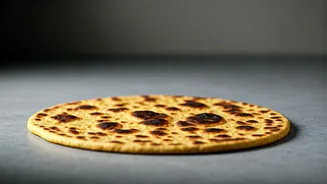
The recipe typically involves cooking the bottle gourd with minimal oil and spices, emphasizing its natural flavor. To create a well-balanced meal, consider pairing the bottle gourd with a small portion of whole-wheat roti. This combo can be a filling and satisfying dinner while staying true to the low-salt, low-calorie guidelines. Remember to use fresh herbs and spices, steering clear of excessive salt, to enhance the flavors. This preparation is a flavorful and healthy beginning to your low-sodium Indian dinner journey.
Idli with Sambar
This south Indian classic is surprisingly suitable for a low-sodium diet. Idli, the steamed rice cakes, are naturally low in salt. The challenge lies in the sambar, the lentil-based vegetable stew. To keep it heart-healthy, prepare the sambar from scratch, controlling the amount of salt used. Load the sambar with plenty of vegetables for added fiber and nutrients. A careful selection of spices will ensure the dish is flavorsome without relying on salt. This combination is a well-rounded meal, offering a good balance of carbohydrates, proteins, and vitamins, with a focus on controlling sodium intake. It’s an easy-to-digest option that is nutritious and tastes great.
Rajma Salad Bowl
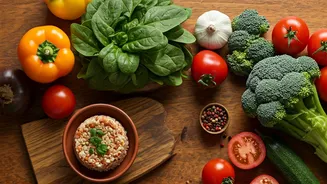
Embrace the vibrant flavors and nutritional benefits of a Rajma salad bowl. Rajma, or kidney beans, provide a good source of protein and fiber. Preparing the rajma from scratch allows you to monitor the salt content. Combine the cooked rajma with fresh, crunchy vegetables like cucumber, tomatoes, and onions. A light dressing made with lemon juice, herbs, and a touch of olive oil, rather than a store-bought dressing which can be high in sodium, elevates the taste. This salad bowl is a refreshing and filling meal, making it an excellent choice for a low-sodium, low-calorie dinner. You will find it is packed with nutrients and satisfyingly light.
Vegetable Dalia Power
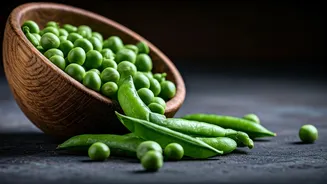
Dalia, or broken wheat, is a fiber-rich grain that forms the base of this comforting dish. The versatility of vegetable Dalia lies in the inclusion of various vegetables, such as carrots, peas, and beans, for added nutrition. Cook Dalia with vegetables using minimal oil and a careful selection of spices. Avoid using packaged spice mixes that are often high in salt. Vegetable Dalia is an easily digestible meal, and the high fiber content helps in keeping you full for a longer time. This dinner option is not only healthy but also customizable; adjust the vegetables and spices to suit your taste preferences, making it a regular and enjoyable part of your low-sodium diet.
Spinach with Chickpeas
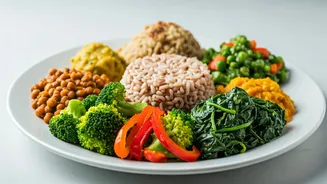
This combination merges the nutritional powerhouse of spinach with the protein-rich qualities of chickpeas. Spinach is packed with vitamins and minerals, while chickpeas provide sustained energy and fiber. Preparing this dish involves lightly sautéing the spinach with chickpeas and spices. Be mindful of the salt content in the spices, and consider using fresh herbs for added flavor. The dish is not only a nutritional powerhouse but also a flavorful experience. This is a simple yet satisfying meal, offering a great balance of nutrients and taste, making it ideal for those seeking low-sodium, low-calorie dinner options while not compromising on flavor or the essence of Indian cooking.
Moong Dal Khichdi
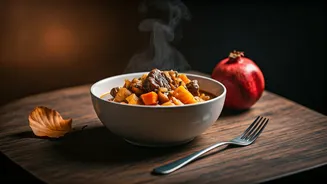
Khichdi is a staple in many Indian households and is a perfect option for a low-sodium diet. This version, focusing on moong dal, a type of lentil, and rice, is easily digestible and highly nutritious. Moong dal is known for its light texture and easy digestibility, which makes it an excellent choice for those with digestive sensitivities. Cook khichdi using minimal spices and avoid adding salt during the preparation process. The inherent flavors of the dal and rice, combined with fresh herbs, create a comforting and wholesome meal. Khichdi is a simple yet satisfying dinner that is perfect for those following a low-sodium diet and seeking a gentle yet satisfying meal.
Oats Vegetable Upma
Upma, traditionally made with semolina, is given a healthy makeover with oats. Oats offer a good source of soluble fiber, which aids in managing cholesterol levels. The inclusion of vegetables enhances the nutritional value of this dish, adding vitamins and minerals. Preparing this upma with minimal oil and salt is crucial for staying within dietary restrictions. The key is to sauté the vegetables lightly and use fresh herbs for taste. This dish is not only easy to prepare but also a great way to start or end the day with a healthy meal. The oats provide a filling base, while the vegetables provide texture and flavor, resulting in a balanced and nutritious dinner.
Red Lentil Soup
Red lentil soup, a simple yet highly nutritious option, is perfect for a low-sodium, low-calorie diet. Red lentils are rich in protein and fiber, making this soup a filling choice. The preparation involves cooking red lentils with vegetables and spices, all while minimizing salt. Fresh herbs and a squeeze of lemon juice can boost the flavor without adding sodium. This soup is a light yet fulfilling meal that is easy to digest. It is also a good option for people who have digestive sensitivity. This comforting soup is a great option for a light dinner, providing essential nutrients without burdening the system and is a satisfying experience.
Grilled Paneer Salad
Grilled paneer with a fresh salad is a flavorful and satisfying dinner option. Paneer, or Indian cheese, is a good source of protein, and grilling it adds a delicious smoky flavor. Marinate the paneer with spices, keeping the salt content under control, and then grill it to perfection. Pair the paneer with a colorful salad featuring fresh vegetables. A light dressing made with lemon juice or vinegar helps balance the flavors. This dinner is a fantastic blend of protein, vitamins, and minerals and a good choice to satisfy your tastebuds while keeping within your diet limits. This combination is a tasty and healthy dinner that fits well into a low-sodium, low-calorie lifestyle.
Hypertension Dinner Strategy
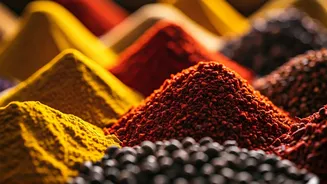
Adhering to a low-salt and low-calorie diet is essential in managing hypertension. Focus on preparing meals from scratch so you can control the ingredients and salt quantities. Season your food with herbs, spices, and lemon juice rather than adding salt. The key is to embrace fresh ingredients, cook with minimal oil, and prioritize whole foods. This will enhance the food's flavor. Make sure you are drinking enough water and exercising to promote your health. Make sure your diet plans include all the major food groups. By incorporating these strategies, you can enjoy delicious Indian cuisine while staying mindful of your health goals, making every dinner a step towards a healthier lifestyle and lowering blood pressure.