




Rice Reimagined
Contrary to popular restrictive diet trends, achieving weight loss doesn't necessitate the complete abandonment of staple foods like rice, especially within
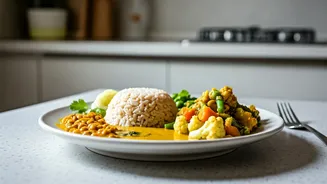
traditional Tamil cuisine. Fitness coach Kagivan Prabaharan's transformative journey, which saw him lose approximately 22 kilograms (around 50 pounds), underscores this principle. He advocates for a fundamental shift in how meals are constructed, rather than a wholesale elimination of familiar foods. Prabaharan emphasizes that carbohydrates, including rice, play a crucial role in energy provision and post-exercise recovery. The key issue, he posits, lies not in the presence of rice itself, but in the excessive quantities often consumed. His strategy involved significantly reducing rice portions while ensuring the rest of the plate was balanced, thereby facilitating calorie management without sacrificing cultural dietary practices. This approach prioritizes sustainable eating habits over drastic, short-lived dietary restrictions.
Protein Powerhouse
A cornerstone of Prabaharan's successful weight loss strategy involved a deliberate and consistent increase in protein intake across all meals. He identified a common deficiency in protein within many traditional Tamil meals and made it a non-negotiable component of his diet. This meant regularly incorporating sources such as lean chicken, fish, Greek yogurt, and tofu into his daily eating regimen. By making protein a foundational element, he was able to support muscle maintenance and satiety, crucial factors in managing appetite and boosting metabolism during a calorie deficit. The rest of his meal could still feature authentic regional flavors and ingredients, but the elevated protein content provided the necessary nutritional framework for effective weight management, demonstrating that substantial dietary changes can be achieved by rebalancing rather than removing beloved foods.
Nutrient-Dense Swaps
Prabaharan’s approach also involved strategic modifications to certain components of traditional recipes, focusing on enhancing nutrient density without resorting to complete food prohibitions. While some dishes heavy in lentils or particular starchy vegetables were reduced, the emphasis was on intelligent substitutions rather than outright elimination. He actively increased his consumption of leafy greens, such as spinach (keerai), and incorporated other nutrient-rich vegetables like beetroot. This deliberate shift aimed to maximize the intake of vitamins, minerals, and fiber without compromising the cultural authenticity of his meals. By prioritizing ingredients that offer greater nutritional value, Prabaharan demonstrated a practical method for enhancing the health profile of traditional Tamil dishes, making them more conducive to supporting weight loss objectives while enriching the overall diet.
Structured Eating Success
The overarching message from Kagivan Prabaharan is clear: achieving weight loss goals does not necessitate forsaking traditional Tamil cuisine. Instead, it requires a conscious awareness of portion sizes, a strategic balance of macronutrients with a focus on protein, and informed choices regarding ingredient composition to optimize nutritional benefit. This philosophy aligns with a broader discourse among nutrition experts who suggest that many regional Indian meals possess a robust foundation of grains, legumes, and vegetables, but often benefit from adjustments in their proportions. Prabaharan’s method simplifies this by maintaining the essence of the cuisine while implementing a different structural framework for consumption. The success lies in the nuanced adaptation of familiar foods, proving that a balanced, well-structured diet can be both culturally satisfying and highly effective for weight management.