







A Taste of Bengal
A cohort of American students from the University of Pennsylvania, deeply engaged in studying South Asian culture and history, recently had an exceptional
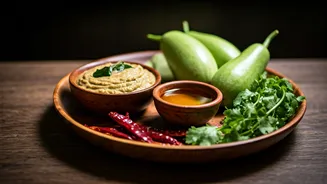
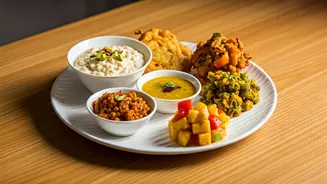
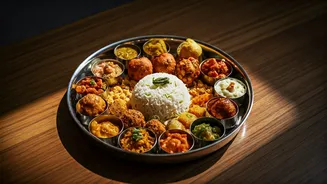
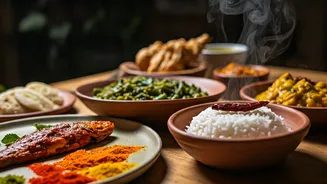
opportunity to savor the authentic flavors of Bengali cuisine during their visit to India. The experience unfolded at a city restaurant, where they were presented with a traditional Bengali meal. This feast included a variety of dishes that showcased the region's culinary prowess, such as posto potol, a dish featuring pointed gourd enveloped in a creamy poppy seed paste, chingri malaikari, a rich preparation of prawns in coconut milk, and the ever-popular mishti doi, a sweet yogurt delicacy. The students expressed genuine enthusiasm for the novel tastes and aromas, with many encountering these dishes for the first time. Sarah, a student from California, noted the profound difference from their usual fare, highlighting the vibrancy of the spices and the intriguing textures, particularly praising the creamy and flavorful posto potol.
Culinary Heritage Shared
Chef Anjan Chatterjee, responsible for curating this immersive culinary experience, expressed his profound satisfaction in introducing the students to Bengal's rich gastronomic heritage. He emphasized that Bengali cuisine is celebrated for its nuanced yet intricate flavor profiles, and his aim was to present the very best of this tradition to the young scholars. For him, this act of sharing food serves as a powerful conduit for cultural exchange and the transmission of traditions. The students were not merely passive recipients of the meal; they actively engaged with the chef, seeking to understand the specific ingredients and the nuanced cooking methodologies employed in Bengali culinary practices. A particular point of fascination for them was the prevalent use of mustard oil and posto (poppy seeds) across many of the prepared dishes, which underscored the distinctiveness of the region's cooking.
Deeper Cultural Connection
Mark, another student on the trip, articulated how the meal had significantly enhanced their appreciation for Bengali culture, stating, 'We've been learning about the history and culture of Bengal, and food is such an integral part of it.' He further elaborated that this gastronomic encounter provided them with a more profound understanding of the region's diverse culinary landscape, expressing confidence that they would attempt to replicate some of the dishes upon their return home. This cultural immersion initiative, meticulously organized by the university, is designed to offer students an in-depth, hands-on experience of Indian culture, encompassing its art, music, food, and various traditions. The students' itinerary includes extensive exploration across different regions of India, fostering direct interaction with local communities and active participation in diverse cultural activities. Ultimately, this culinary adventure has not only broadened the students' palates but has also deepened their comprehension of Bengali culture, leaving them with a lasting and memorable impression of India.
From Kitchen to Culture
A group of students hailing from the esteemed Culinary Institute of America (CIA) recently found immense joy and learning within a Bengali kitchen, engaging in hands-on experiences with dishes like Doodh Potol and Betki Paturi. These aspiring chefs, part of their India Immersion tour, stepped into an environment far removed from their usual culinary classrooms, encountering the distinct aromas of mustard oil, the warmth of roasted spices, and the comfort of slow-cooked meals. This experience underscores the CIA's commitment to providing its students with a comprehensive understanding of global cuisines and culinary practices. The visit highlights how culinary arts can serve as a powerful bridge between cultures, allowing students to connect with local traditions and ingredients in a deeply personal way. Their engagement with Bengali cooking techniques, such as steaming fish in banana leaves for Betki Paturi, offers a practical insight into methods that have been perfected over generations.