

Milk Fat's Crucial Role
The consistency of your homemade curd is significantly influenced by the fat content of the milk used. Opting for full-fat milk is paramount because its
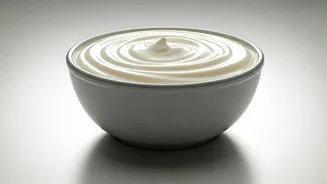
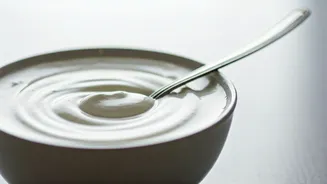
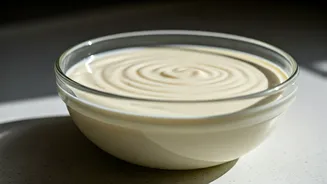
richer composition aids in building a stable protein network, which is essential for a thick and creamy texture. In contrast, milk varieties like toned or skim milk, which have a lower fat content, are more prone to expelling water during the setting process. This means that while they might still set, the final product is often less desirable due to the presence of excess liquid. When milk is boiled with its fat intact, it also forms a rich layer of malai on top, further enhancing the overall richness and mouthfeel of the final curd.
Temperature Control is Key
Maintaining the correct temperature throughout the curd-setting process is absolutely vital for achieving the desired texture. The ideal range for fermenting curd hovers between 30°C and 40°C. If the environment is too cool, the beneficial bacteria responsible for curdling may not activate sufficiently, leading to a curd that fails to set properly. Conversely, if the temperature is too high or the milk is left to ferment for an extended duration, over-fermentation can occur. This excessive fermentation is a primary culprit behind the release of excess liquid, often appearing as a thin, watery layer on top. In cooler climates, ingenious methods like placing the curd container inside a switched-off oven or microwave, or simply wrapping it snugly in a thick cloth, can help create a sufficiently warm and stable environment for the curd to set perfectly.
Starter Quantity Matters
The amount of starter culture added to the milk plays a more significant role than many home cooks realize. It's a common misconception that adding more starter will hasten the setting process and result in a thicker curd. However, this approach can be counterproductive. An excessive amount of starter can dramatically accelerate the fermentation process, leading to curd that becomes overly sour very quickly. This rapid and intense fermentation is a direct cause of increased whey separation. The key to successful curd setting lies in a balanced approach: a mere 1/4 to 1/2 teaspoon of starter is generally sufficient for approximately 500 ml of milk. Adhering to this moderation ensures a slower, more controlled fermentation, yielding a curd with the right tang and a desirable thick consistency.
Starter & Milk Temperature
The precise moment you introduce the starter culture to the milk is critical, and the temperature of both plays a crucial role. The milk should be lukewarm, ideally between 35°C and 40°C, when you add the starter. For those who prefer precision, a kitchen thermometer is an invaluable tool. Traditionally, a simple finger test is employed: if the milk feels comfortably warm without being hot to the touch when you immerse your finger for about ten seconds, it's ready. After carefully covering the container, it's imperative to avoid any disturbance. Shaking or moving the curd container during the setting phase can disrupt the developing protein structure. This instability prevents the curd from effectively retaining moisture, thus contributing to a looser consistency and potentially leading to the unwelcome watery separation.