







Thermal Battery Basics
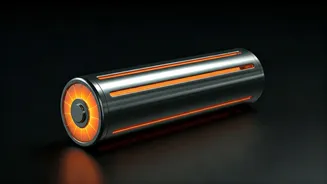
Thermal batteries, unlike traditional batteries, are activated by heat. They typically consist of a solid electrolyte and a cathode-anode setup, which
become conductive and generate power when heated. This heating can be achieved through various methods, such as an internal pyrotechnic heat source or external heating. The key advantage of thermal batteries lies in their long shelf life, as they remain inactive until deliberately activated. Once activated, they can deliver high power for a short duration, making them ideal for specific military applications where reliability and immediate power are crucial. The technology’s simplicity and robustness also mean they are less susceptible to environmental factors compared to other battery types. The ability to store energy for extended periods without degradation is another significant benefit, ensuring they are ready to be deployed at a moment's notice. The operational profile of a thermal battery makes it especially suited for missile systems and other applications where a quick burst of energy is required.
China's Tech Advancements
China has been investing heavily in research and development of thermal battery technology. Their efforts focus on enhancing performance, increasing energy density, and improving operational lifespan. Researchers are experimenting with new materials and designs to boost the efficiency of these batteries, thereby increasing their output. These innovations have the potential to deliver more power while also reducing the size and weight of the batteries, which is critical for military use. By focusing on more efficient designs, Chinese scientists are aiming to make thermal batteries more versatile, expanding their application in various defense systems. China's dedication to improving the operational capabilities of their thermal batteries is driven by the desire to modernize its defense capabilities. The country has prioritized the development of this technology, aiming for substantial advances to maintain its strategic advantage in the global arena. These advancements allow for better integration into sophisticated weapons systems.
Military Application Potential
The advantages of thermal batteries hold significant value for military applications. Their ability to provide high power over a brief period makes them especially appropriate for powering missile systems, where rapid deployment and immediate energy are essential. Besides this, they can also serve in electronic warfare systems, enhancing jamming and other capabilities. Their extended shelf life and resistance to degradation make them ideal for deployment in the field, as these batteries remain reliable in harsh environmental conditions. The compact design of thermal batteries can also streamline the design of military equipment, thereby improving mobility and operational efficiency. The potential to enhance the performance and reliability of these systems underscores the strategic importance of thermal battery technology in modern warfare. The development of advanced thermal batteries therefore represents a key aspect of China's military modernization program.
Future Development Directions
The future of thermal battery research will likely focus on several key areas. Increasing energy density is a high priority, aiming to provide more power within a smaller footprint. Material innovation is also crucial, with researchers exploring new electrolytes and electrode materials to improve performance and efficiency. Enhancing the longevity and reliability of thermal batteries is another focus, as extended lifespan means reduced maintenance and enhanced readiness. Efforts will also likely explore integrating thermal batteries with hybrid systems. The aim is to combine the strengths of different energy storage technologies. China's continuing commitment to research, and its investment in these development areas, suggests an optimistic outlook for advancements in thermal battery technology and its role in defense applications. These efforts will further enhance the technological capabilities and strategic advantages of this technology.