



Grass Type Matters
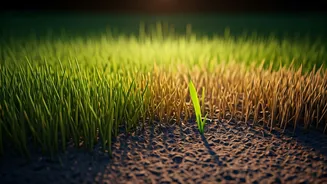
Understanding your lawn's grass type is the first crucial step in diagnosing browning issues. Cool-season grasses, such as fescue, Kentucky bluegrass,
and perennial ryegrass, are naturally prone to going dormant during the sweltering heat and dry spells of summer. This dormancy is a survival mechanism, where the grass turns brown to conserve precious moisture and energy, rather than indicating death. In contrast, warm-season grasses like Bermuda, Zoysia, St. Augustine, and Bahia typically flourish in summer's warmth. However, even these resilient grasses can succumb to extreme drought conditions or soil deficiencies, leading to browning. Recognizing whether your grass is a cool-season or warm-season variety provides essential context for troubleshooting its discolored appearance and understanding its normal behavior cycles.
Hidden Stressors Lurking
Beyond the influence of grass type and weather, several other factors can contribute to a lawn's brown appearance, even if it's receiving sufficient water. Soil compaction, often a result of heavy foot traffic, can impede water and nutrient penetration, stressing the grass roots. A build-up of dead organic material, known as thatch, can create a barrier on the soil surface, further hindering essential resource delivery. Furthermore, various pests, such as grubs or cinch bugs, can decimate grass from below or at the surface, causing distinct patches of browning. Lawn diseases, like summer patch, are another significant stressor that can manifest as unsightly brown spots. Even seemingly minor issues like improper mowing height or frequency can provoke browning by stressing the grass blades.
Proactive Prevention Tactics
To combat brown patches and maintain a vibrant lawn, consistent and proper care practices are essential. Experts recommend a watering regimen of deep irrigation, typically one to two times weekly, delivering about an inch of water, ideally in the early morning to allow for absorption before peak heat. Avoid shallow, frequent watering, which encourages rapid drying, and equally, steer clear of overwatering, which can foster fungal growth and disease. Regularly addressing thatch buildup through removal and aerating compacted soil are vital steps for improving soil health and root access to resources. Vigilantly inspecting for and treating fungal infections or pest infestations, such as grubs (tested by attempting to lift grass sections; easy removal indicates pests), is also key. Maintaining an appropriate mowing height and frequency, and feeding your lawn with a balanced, potassium-rich fertilizer (like one with 12% nitrogen and 24% potassium) can significantly bolster its resilience.
Essential Lawn Maintenance
Beyond the fundamental watering and soil care, several ancillary lawn maintenance practices contribute significantly to a healthy, green appearance year-round. Regularly sharpening your mower blades prevents ragged grass tips, which not only look unsightly but also create entry points for disease. Leaving grass clippings on the lawn acts as a natural mulch, returning valuable nutrients and helping to retain soil moisture. It's advisable to avoid fertilizing during periods of extreme heat, particularly for cool-season grasses, as this can exacerbate stress. Instead of broad-spectrum weed killers, opt for spot-treating weeds, especially during stressful weather. Finally, mulching garden beds and the areas surrounding trees helps reduce water competition for your lawn and keeps the underlying roots cooler, promoting overall landscape health.