




The Milk Secret
Cooking with brinjal can sometimes present challenges, from an unexpected bitterness to rapid darkening or an overly dense texture. While usual culinary
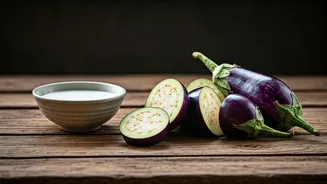
methods involve spices and specific techniques, a lesser-known yet highly effective trick employed by many home cooks is the addition of a small amount of milk during the cooking process. This seemingly unconventional step can profoundly improve both the taste and consistency of brinjal dishes, offering a noticeable upgrade without fundamentally changing the core recipe. It’s a subtle enhancement that yields significant improvements, making your brinjal preparations more enjoyable.
Why Milk Works Wonders
Incorporating a modest quantity of milk into your brinjal dish while it cooks operates on several levels to elevate the final product. Brinjal has a remarkable ability to absorb surrounding flavors, and milk acts as a clever agent to moderate its inherent sharpness, leading to a more refined palate. This results in a dish that presents a smoother mouthfeel, a more appealing visual appearance, and a richer undertone without feeling heavy or greasy. The dairy addition harmonizes the vegetable's natural profile with the spices, creating a more balanced and pleasing gastronomic experience that is both light and satisfying.
Key Benefits Unveiled
The magic of adding milk to brinjal lies in its multifaceted benefits. Firstly, it effectively mitigates any mild bitterness that brinjal might possess, especially if the produce isn't perfectly fresh, resulting in a smoother, more palatable flavor. Secondly, it plays a role in preserving the vibrant color of the dish by slowing down the oxidation process that causes cut brinjal to turn brown quickly during cooking, thus maintaining a fresher look. Thirdly, milk contributes a delicate creaminess that complements the soft texture of cooked brinjal, lending a smoother finish without making the dish overtly rich. Lastly, it acts as a natural flavor balancer, mellowing down the intensity of robust spices or other strong ingredients, thus unifying the overall taste profile.
When to Apply
This delightful trick is most advantageous for common brinjal preparations like bharta, simple sautéed dishes (sabzis), or light curries where the aim is to achieve a smoother and more harmonious taste. It harmonizes well with everyday recipes, enhancing their natural flavors. However, it’s important to note that this method might not be ideal for recipes featuring high acidity, such as those using a lot of tamarind or tomatoes, as milk can curdle when combined with excessively acidic elements, potentially compromising the dish’s texture and appearance. Stick to milder flavor profiles for the best results.
Milk vs. Soaking
While soaking brinjal in water is a common practice to draw out some impurities or bitterness from its surface, milk functions differently and more effectively during the actual cooking phase. Soaking addresses external aspects, but milk’s protein composition actively interacts with the vegetable as it heats up. This process helps neutralize sharper compounds present within the brinjal, particularly in mature or seed-heavy pieces where soaking might not fully penetrate. Therefore, even if you soak your brinjal, adding a touch of milk while cooking provides an additional layer of flavor buffering, working internally to ensure a consistently smoother taste throughout the dish.
The Right Quantity
Achieving the perfect balance with this milk trick requires restraint; a little goes a long way. Generally, adding just one to two tablespoons of milk while the brinjal is cooking is sufficient for most average-sized dishes. Overdoing it can inadvertently dilute the intended flavors of your recipe and negatively alter the texture, making it less desirable. The goal is a subtle enhancement, not a dramatic change. Therefore, measure carefully to ensure the best outcome, and enjoy the improved taste and texture of your brinjal preparations with this minimal addition.