





Conquering the Soggy Crust
The dreaded soggy bottom is a common quiche woe, but easily avoidable with a few key techniques. To prevent this, ensure your crust is properly blind-baked
before adding the filling. This involves lining the unbaked pastry with parchment paper and filling it with pie weights, dried beans, or rice. Bake until the edges are lightly golden and the base is dry to the touch. Another preventative measure is to ensure your egg filling isn't too wet; excess liquid can seep into the crust during baking. Using just enough eggs and dairy, and draining any excess moisture from your fillings, especially vegetables, plays a crucial role. A slightly pre-cooked filling can also help reduce moisture content before it even meets the crust. Consider brushing the inside of your blind-baked crust with a thin layer of egg white and returning it to the oven for a few minutes to create a barrier before adding the filling, further sealing it against moisture.
Make-Ahead Strategies
Planning ahead for a delicious quiche is entirely possible and can save you time and stress. For optimal results, it’s often best to bake the quiche completely, let it cool, and then refrigerate it. When you're ready to serve, you can gently reheat it. Alternatively, you can prepare the crust and the filling separately. Blind-bake the crust and store it at room temperature, and prepare your filling ingredients, chopping vegetables and whisking the egg mixture, then refrigerate them in separate containers. This allows for a quicker assembly when you're ready to bake fresh. If you’ve baked the entire quiche, cool it down completely before wrapping it tightly in plastic wrap and then aluminum foil. Storing it in the refrigerator will keep it fresh for up to 3-4 days. Freezing is also an option for longer storage; ensure it's well-wrapped to prevent freezer burn.
Reheating Like a Pro
Reheating quiche effectively is key to enjoying its texture and flavor as if it were freshly baked. Avoid the microwave if possible, as it can often lead to a rubbery texture and uneven heating. The best method is to reheat in a moderate oven, typically around 300-350°F (150-175°C). Place a slice of quiche on a baking sheet or directly on the oven rack (if it's a whole quiche). For a whole quiche, reheating can take 20-30 minutes, while individual slices might only need 10-15 minutes. To help retain moisture and prevent drying out, you can cover the quiche loosely with aluminum foil for the first part of the reheating process, removing it for the last few minutes to allow the crust to crisp up. If your quiche seems a bit dry, you can add a tablespoon of water to the baking pan to create a steamy environment. If you must use a microwave, heat on a lower power setting for shorter intervals to minimize textural changes.
Veggies That Shine
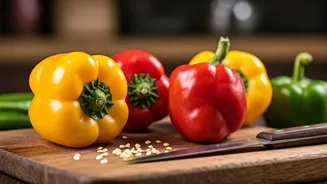
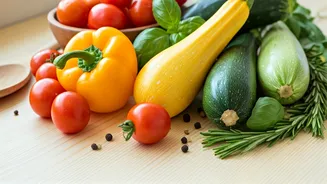
The choice of vegetables can significantly elevate your quiche, adding color, flavor, and texture. For a Mediterranean-inspired quiche, consider a delightful medley of ingredients such as sun-dried tomatoes, spinach, artichoke hearts, Kalamata olives, and roasted red peppers. These ingredients offer a robust flavor profile and a pleasing chew. Other excellent vegetable choices include sautéed mushrooms, caramelized onions, blanched broccoli florets, asparagus spears, or even roasted butternut squash for a touch of sweetness. It's important to prepare your vegetables properly before adding them to the quiche mixture. Sautéing or roasting vegetables beforehand helps to cook them through and evaporate excess moisture, which is critical in preventing a soggy crust. Finely chop or dice your chosen vegetables to ensure they distribute evenly throughout the quiche and cook at the same rate as the egg custard.