





Nuts: Beyond Shelf-Stable
Nuts, particularly those with high fat content like walnuts, pecans, and macadamias, are susceptible to becoming rancid, developing an unpleasant stale
or paint-like flavor due to fat oxidation. Freezing significantly retards this process. The brilliance of freezing nuts lies in their usability; most can be utilized directly from the freezer without any thawing period. This is an exceptionally valuable method for those who purchase nuts in bulk, preventing the unfortunate scenario of discarding precious and often expensive ingredients due to spoilage. It ensures that the quality and taste remain optimal for extended periods, making bulk purchases a more sustainable and economical choice.
Ginger's Frozen Freshness
Fresh ginger has a notoriously short lifespan, quickly transitioning from firm and moist to withered and fibrous within mere days. Freezing halts this degradation, preserving its vibrant quality and simplifying its use in the kitchen. You have the flexibility to freeze ginger whole, ensuring it's meticulously wrapped to prevent freezer burn, or you can opt for convenience by pre-grating it. Portioning the grated ginger into teaspoon-sized amounts is a particularly efficient strategy for immediate culinary application. A delightful bonus is that whole frozen ginger can be grated directly, negating the need for thawing and making spice preparation swift and effortless.
Bread: The Refrigerator Myth
Contrary to common belief, storing bread in the refrigerator is counterproductive for maintaining its freshness. Refrigeration accelerates staling due to a process called starch recrystallization, which occurs more rapidly at cool, non-freezing temperatures. The freezer, however, offers a superior solution by drastically slowing down the staling process. To freeze bread effectively, slice it beforehand, wrap each portion tightly in plastic wrap or foil, and then place the wrapped loaf or slices into a zipper-lock bag, expelling as much air as possible to prevent dehydration. This allows you to toast slices directly from frozen or reheat an entire loaf in the oven for a warm, crisp finish, effectively preventing good bread from going to waste.
Tomato Paste Perfection
The typical recipe rarely calls for an entire can or tube of tomato paste, leading to the common problem of moldy, half-used remnants being discarded. An effective solution is to portion leftover tomato paste into tablespoon-sized servings and freeze them. Ice cube trays are an ideal tool for this, or you can create individual mounds on a parchment-lined baking sheet and freeze them until solid. Once frozen, these portions can be individually wrapped in plastic or stored together in a zipper-lock bag, enabling you to retrieve precisely the amount needed for any recipe. This simple preparation step significantly streamlines weeknight cooking and drastically reduces food waste.
Whole Grain Flour Longevity
Unlike refined flours, whole-grain varieties retain their bran and germ, components rich in natural oils. These oils are prone to becoming rancid over time, especially when stored at ambient room temperatures for extended periods. Freezing provides a highly effective method for slowing down this rancidity, thereby preserving the flour's intended flavor and freshness. It is crucial, however, to store these flours in airtight containers and allow them to reach room temperature before incorporating them into baking recipes to ensure optimal results.
Bay Leaves' Aromatic Boost
Dried bay leaves, while seemingly enduring, gradually lose their potency over time, which can subtly diminish the depth of flavor in cooked dishes like soups and braises. Storing bay leaves in the freezer is a simple yet effective way to counteract this loss. By keeping them cold, they retain a greater proportion of their aromatic compounds, ensuring they remain more flavorful for longer periods. This minor adjustment can lead to a noticeable enhancement in the subtle nuances of flavor, particularly in slow-cooked meals where these aromatic elements play a significant role.
Herbs: Flavor Preserved
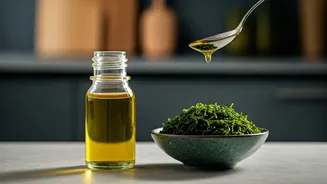
Fresh herbs have a limited shelf life, often deteriorating rapidly once they begin to show signs of spoilage. While freezing might alter their delicate texture, it remarkably preserves their flavor profile for use in cooked dishes. The recommended approach involves chopping the herbs and freezing them immersed in oil. This can be done using ice cube trays or by flattening the herb-oil mixture in a bag. The oil acts as a protective barrier, safeguarding the flavor and facilitating quick melting into sauces, soups, and stews. This method transforms frozen herbs from a potential garnish substitute into a potent flavor enhancer for simmered dishes.
Corn's Sweetness Locked
Sweet corn reaches its peak flavor and sweetness for a very brief period, and unlike many other vegetables, it begins to decline in quality almost immediately after being harvested. The natural sugars within the kernels rapidly convert into starches, which diminishes both its sweetness and tender texture. Freezing is an excellent method for capturing and preserving this peak flavor. For the best outcome, it is advised to cut the kernels off the cob and freeze them in a single layer before transferring them to a storage bag. Freezing smaller pieces more quickly helps maintain their texture, and they become much more versatile for various cooking applications later on.