



Embracing Simple Meals
The first step towards eating well effortlessly is embracing the simplicity of your meals. Many people believe that eating well requires complex recipes
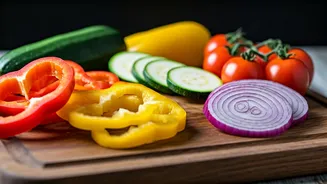
and hours in the kitchen, but this is a misconception. Focus on fresh, whole ingredients that naturally provide nutrients. Start with basic cooking methods like steaming, grilling, or baking, which highlight the natural flavors of the food. These methods need less effort and help retain essential vitamins and minerals. Think about building your meals around a core of vegetables, lean proteins, and whole grains. Experimenting with different herbs and spices can add layers of flavor, so you can explore new flavor profiles without complicating the preparation process. Planning your meals ahead of time can also reduce stress. Think about creating a weekly menu. Doing this helps in shopping and cooking and reduces the last-minute decisions that can often lead to less healthy choices. Simplifying your approach to food opens the door to eating well without feeling overwhelmed.
Planning Your Plates
Effective meal planning is a crucial tool in making eating well easy. Take some time at the beginning of the week to plan your meals. Consider your schedule and the amount of time you have for cooking each day. Start by making a list of the meals you want to eat and then create a shopping list based on the ingredients needed. This strategy helps to avoid impulsive decisions and ensures that you have everything you need on hand. When you plan, also consider portion sizes to help with weight management and overall health. Using containers to pre-portion your meals is one way of doing this. A well-planned pantry is also useful. Stock it with staples like whole grains, beans, and canned vegetables. These are great base components to build a meal with short notice. Make use of leftovers by transforming them into new meals. For instance, roasted chicken can become a salad or added to soup the next day. A little effort in planning can save you time, reduce food waste, and make the process of eating healthy feel achievable.
Mastering Quick Cooking
Even with busy schedules, it’s possible to eat well by mastering quick cooking techniques. Several cooking methods can make meal preparation faster. Stir-frying, for example, is a versatile and quick method. It allows you to quickly cook a variety of vegetables and proteins in a matter of minutes. Using a pressure cooker or instant pot can dramatically reduce cooking times for foods like beans, lentils, and even tough cuts of meat. These tools are fantastic for preparing meals on busy weeknights. Preparing components ahead of time is very useful. Chop vegetables, marinate proteins, and cook grains over the weekend to save time during the week. This 'prep ahead' method ensures that you have ingredients ready to go when you need them. One-pan meals are also a lifesaver. Roast vegetables and protein on the same baking sheet for easy cleanup. Keep your recipes and cooking process simple, and choose recipes that require fewer ingredients and steps. Incorporate quick-cooking foods such as eggs, canned fish, and pre-cut vegetables into your diet to save more time. By embracing these techniques, you can enjoy delicious, home-cooked meals even when time is short.
Smart Ingredient Choices
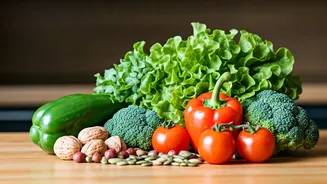
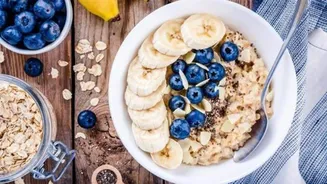
Choosing the right ingredients is central to making healthy eating easy and enjoyable. Focus on minimally processed foods. These foods often have a higher nutrient density and less added sugar, salt, and unhealthy fats. Fresh produce should be the cornerstone of your diet. Choose a variety of colorful fruits and vegetables to ensure you are getting a wide array of vitamins and minerals. Opt for lean proteins like poultry, fish, beans, and lentils. These are excellent sources of protein without the high saturated fat content often found in red meat. Whole grains, such as brown rice, quinoa, and oats, provide sustained energy and are richer in fiber than refined grains. Pay attention to your pantry staples. Stocking your kitchen with healthy snacks is equally important. Think of having things like nuts, seeds, and fruits. These provide easy and healthy options. Make sure you read food labels to become more conscious of what you are consuming. Look out for added sugars, unhealthy fats, and excessive sodium. The more you pay attention to the quality of your ingredients, the easier it becomes to eat well and enjoy a healthy diet.
Flavor Enhancements
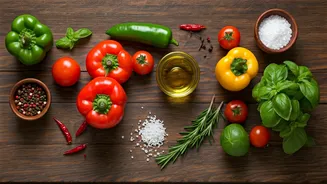
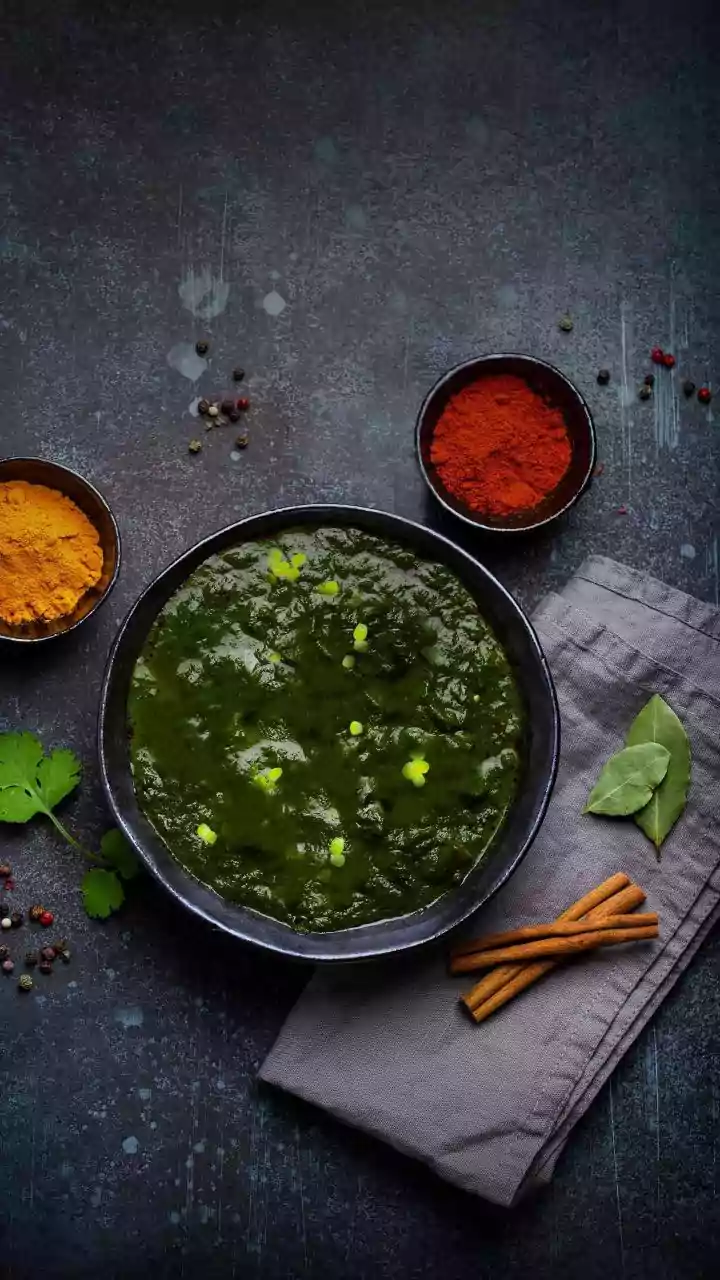
Adding flavor to your meals does not have to mean a complicated recipe, as simple additions can have a big impact. Explore herbs and spices to bring your food to life. Fresh herbs, such as basil, rosemary, and cilantro, add freshness and depth. Spices like cumin, turmeric, and paprika can add warmth and complexity. Experimenting with different spice blends can create a variety of flavors, allowing you to enjoy your meals without boredom. Citrus fruits, such as lemons and limes, can be used to brighten flavors and add a fresh tang. A squeeze of lemon juice on grilled fish or a lime in a salad dressing can enhance the taste significantly. Garlic and onions are essential ingredients in many cuisines because they add depth and complexity. Roasting garlic or sautéing onions can unlock their natural sweetness, adding layers of flavor to your dishes. Incorporate healthy fats like olive oil, avocado, or nuts to enhance the flavor. These fats not only add flavor but also make you feel satisfied after eating. Remember, healthy eating should be tasty. Enjoy your food by experimenting with different flavor combinations and savoring each bite.