




A Fort Born of Necessity
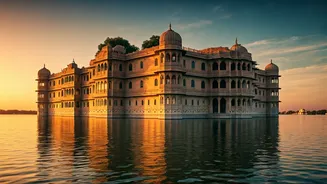
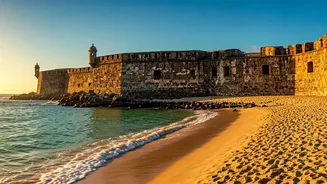
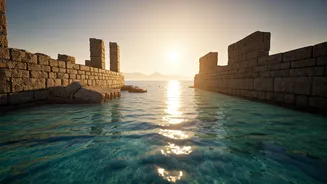
The Lakhota Palace Museum, a picturesque structure that appears to float on the waters of Ranmal Lake in Jamnagar, Gujarat, boasts a unique origin story.
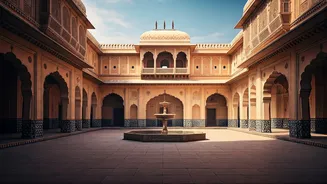
Originally conceived in 1846 by Jam Shri Ranmalji, this edifice, often referred to as a Jal Durga or water fort, was initially designed as a critical measure for drought relief. Beyond its utilitarian beginnings, it also served a dual purpose as a formidable defense point for the rulers and a luxurious retreat for their leisure. The architecture itself is a captivating fusion, exhibiting distinct Rajput stylistic elements intricately blended with influences from Persian design. The very name 'Lakhota' is said to be a tribute to Lakhaji, a previous ruler, and the legendary expenditure of '1 lakh koris', the local currency of that period, on its construction.
Echoes of a Princely Past
Within the walls of this historically significant palace resides the Archaeological Museum, a treasure trove of Jamnagar's cultural heritage. Established in 1946, the museum offers visitors an immersive journey through the region's past, specifically focusing on the legacy of the Princely State of Nawanagar. Across its 11 distinct galleries, a remarkable collection of 321 exhibits are carefully displayed, charting a timeline from the 9th to the 19th centuries. These artifacts provide a tangible connection to the lives and times of the former rulers. The diverse exhibits include exquisite stone and bronze sculptures, delicate miniature paintings that capture intricate details, ancient coins that once circulated, richly adorned textiles, fascinating natural history specimens, and the formidable royal arsenals.
Restoration and Revival
The formidable 2001 earthquake left its mark on the Lakhota Palace Museum, causing significant structural damage. However, through a dedicated collaborative effort between the Gujarat State Archaeological Department and the Jamnagar Municipal Corporation, the palace underwent a meticulous restoration process. This painstaking work ensured that its historical integrity and architectural beauty were preserved. The revitalized monument was subsequently reopened to the public in May 2018, once again welcoming visitors to its historical embrace. Today, this restored masterpiece stands proudly as a protected site, recognized and safeguarded by the Gujarat State Government, ensuring its preservation for future generations to appreciate.
A Cultural Hub
More than just a repository of old objects, the Lakhota Palace Museum functions as a vibrant cultural institution, dedicated to both educating and inspiring its visitors. The environment has been thoughtfully cultivated to be exceptionally visitor-friendly, encouraging an appreciation for the fort's architectural magnificence while simultaneously engaging with the treasures it holds. The museum's strategic layout is designed to provide context for each exhibit, transforming a simple visit into an insightful and engaging exploration of history. This approach ensures that each visitor's journey through the palace's rich narrative is both deeply meaningful and profoundly memorable.
Visiting Information
To plan your visit to the Lakhota Palace Museum, keep these timings in mind. From March to October, the museum is open from 01:00 PM to 09:00 PM. During the cooler months, from November to February, the hours are slightly earlier, from 12:00 PM to 08:00 PM. Please note that the museum is closed every Wednesday, as well as on the 2nd and 4th Saturdays of each month. It also remains closed on all government-declared holidays, so it's advisable to check the calendar before your visit. These operational details are crucial for ensuring a smooth and enjoyable experience at this historical landmark.
Nearby Attractions
Enhance your experience by exploring the attractions in the vicinity of the Lakhota Palace Museum. The serene Ranmal Lake itself is a delightful spot, often teeming with migratory birds, offering a peaceful natural escape. For those interested in architectural splendor, the Pratap Vilas Palace presents a magnificent example of European-style architecture. Nature enthusiasts should not miss the Khijadiya Bird Sanctuary, a crucial biodiversity hotspot promising an unforgettable encounter with wildlife. For a spiritual dimension, the Dwarkadhish Temple is a short drive away, offering divine solace within a setting of historic grandeur. Additionally, a visit to the renowned Bala Hanuman Temple, famous for its continuous record-breaking chanting, adds a unique spiritual element to your itinerary.