

The Comfort of Simplicity
Renowned chef Ranveer Brar and others in the culinary field highlight a common paradox: after spending their days crafting intricate, exotic dishes, most
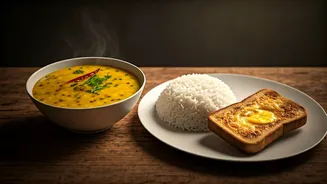
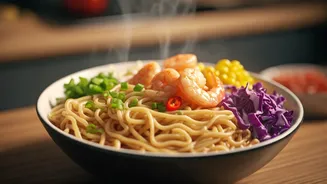
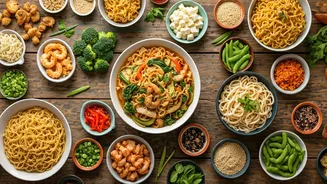
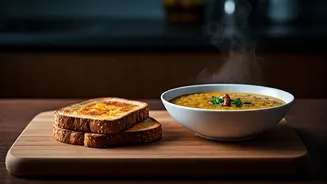
chefs gravitate towards incredibly simple, familiar foods for their own meals. Staples like dal chawal, egg toast, and noodles are frequently cited as go-to options. This isn't a reflection of their skills or lack of appreciation for fine dining, but rather a deeply ingrained human need for comfort and familiarity. The intense sensory stimulation involved in professional cooking—constant tasting, balancing flavors, and focusing on texture and presentation—can lead to an overstimulated palate and mind. Consequently, when it's time to eat for themselves, chefs often seek to 'un-think' their meal, opting for dishes that require no cognitive effort and provide a sense of calm. These simple meals serve as an emotional anchor, a gentle reminder of home and routine, offering a much-needed respite from the high-pressure, demanding environment of a professional kitchen. The nourishment provided by these basic dishes is paramount, with added complexities of taste and texture taking a backseat.
Sensory Reset and Emotional Regulation
Psychotherapists and chefs alike explain that the intense sensory engagement inherent in professional cooking can lead to a craving for simplicity. After hours of experiencing bold flavors, intricate textures, and constant experimentation, the nervous system naturally seeks a counterpoint—something grounding, predictable, and calming. Simple foods like khichdi or a basic omelet on toast act as a form of emotional regulation, providing a sense of security and familiarity. Chefs often describe their work as a high-stakes environment filled with deadlines, precision, and sensory overload. For them, food is not just sustenance but also work, demanding intense focus and analytical tasting. By choosing uncomplicated meals, chefs aim to de-escalate their overstimulated senses, allowing their minds to rest. This act of preparing and consuming simple food becomes a ritual of recovery, both mentally and emotionally, allowing them to reconnect with themselves away from the demands of performing for others.
Nostalgia and Home Flavors
The allure of simple comfort foods for chefs is often deeply intertwined with cherished memories and a profound connection to home. Dishes like dal and rice with desi ghee, or a mother's homemade khichdi, evoke feelings of warmth, nostalgia, and emotional safety. These are often the foods associated with childhood, family, and a time before the pressures of professional culinary life. For chefs who may spend long periods away from home, these basic meals serve as a powerful reminder of their roots and the unconditional love associated with home-cooked meals. This connection transforms simple food into more than just nourishment; it becomes a vehicle for emotional recovery and a way to 'stop performing' and simply be. The honesty and familiarity of these dishes allow chefs to nourish not just their bodies but also their souls, finding a unique luxury in the uncomplicated. It's a way of reconnecting with the pure joy of eating, unburdened by analysis or expectation.
Redefining Culinary Luxury
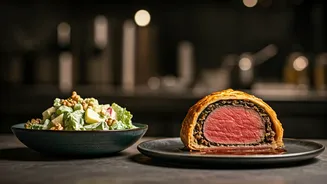
For professional chefs, the definition of luxury in food often diverges from conventional perceptions of opulence. True luxury, they reveal, lies not necessarily in expensive ingredients like foie gras or truffles, but in the mastery of balance, honest flavors, and perfectly executed simplicity. A well-prepared dal chawal or a flawlessly cooked egg can be considered a pinnacle of culinary achievement because it allows the fundamental ingredients to shine without overcomplication. This appreciation for simplicity is often honed by their daily immersion in complex creations. The more elaborate the dishes they craft for others, the more they value the clarity and directness of uncomplicated food for themselves. Furthermore, the demanding nature of professional kitchens—long hours on their feet, intense physical and mental exertion—makes simpler meals a practical choice. They are often quicker to prepare, lighter, and easier to digest, providing immediate comfort without overwhelming the senses, especially late at night after service.