







Gold Limits Explained
When traveling from Dubai to India, understanding the specific gold allowances is paramount to avoid unexpected customs duties. For male passengers, the permissible
limit of gold they can bring into India duty-free is generally up to 20 grams, provided its value does not exceed INR 50,000. This allowance is contingent upon them having resided in a foreign country for a period of at least six months. Female travelers and artisans have a slightly more generous allowance, permitting them to carry up to 40 grams of gold into India without incurring customs duty. Similar to male passengers, this is subject to the condition that their stay abroad has been for a minimum of six months, and the total value of the gold does not surpass INR 1,00,000. It’s crucial to remember that these limits are per person, and individuals must declare the gold they are carrying to the customs authorities upon arrival to ensure compliance with all regulations and to avoid any potential penalties or confiscation of the items.
Documentation Essentials
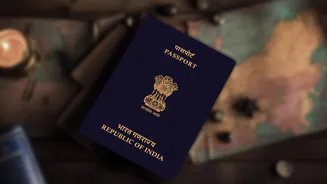
Successfully bringing gold from Dubai to India without facing customs duties hinges significantly on having the correct documentation in order. Primarily, passengers must possess a valid passport that clearly indicates their residency or stay abroad for at least six months. This is a non-negotiable requirement to be eligible for the duty-free allowance. Additionally, individuals need to present a detailed invoice or purchase receipt for the gold they are carrying. This document serves as proof of origin and value, which customs officials will verify. For those availing the artisan concession, specific proof of their profession might be required. It is always advisable to fill out the customs declaration form accurately and completely, declaring all items of value, including gold. Proactive declaration ensures transparency and facilitates a smoother customs clearance process, preventing any misunderstandings or complications at the airport.
Children's Allowances
The regulations concerning gold brought from Dubai to India also extend to children, though with specific considerations. Generally, children, irrespective of their gender, are not entitled to a separate duty-free gold allowance. The allowances for men and women are considered personal entitlements based on their individual eligibility. However, if a child is accompanied by parents who are eligible for the duty-free allowance, the gold intended for the child would typically be accounted for under the parents' respective allowances. For instance, if a family is traveling, and the parents are eligible, they can carry gold for their children within their own permitted limits. The key is that the child themselves must have resided abroad for a minimum of six months to be considered for any allowance, which is rare. Therefore, it is vital for parents to aggregate the gold they wish to carry and ensure it falls within the combined eligible allowances of the accompanying adults, while meticulously adhering to declaration protocols.