



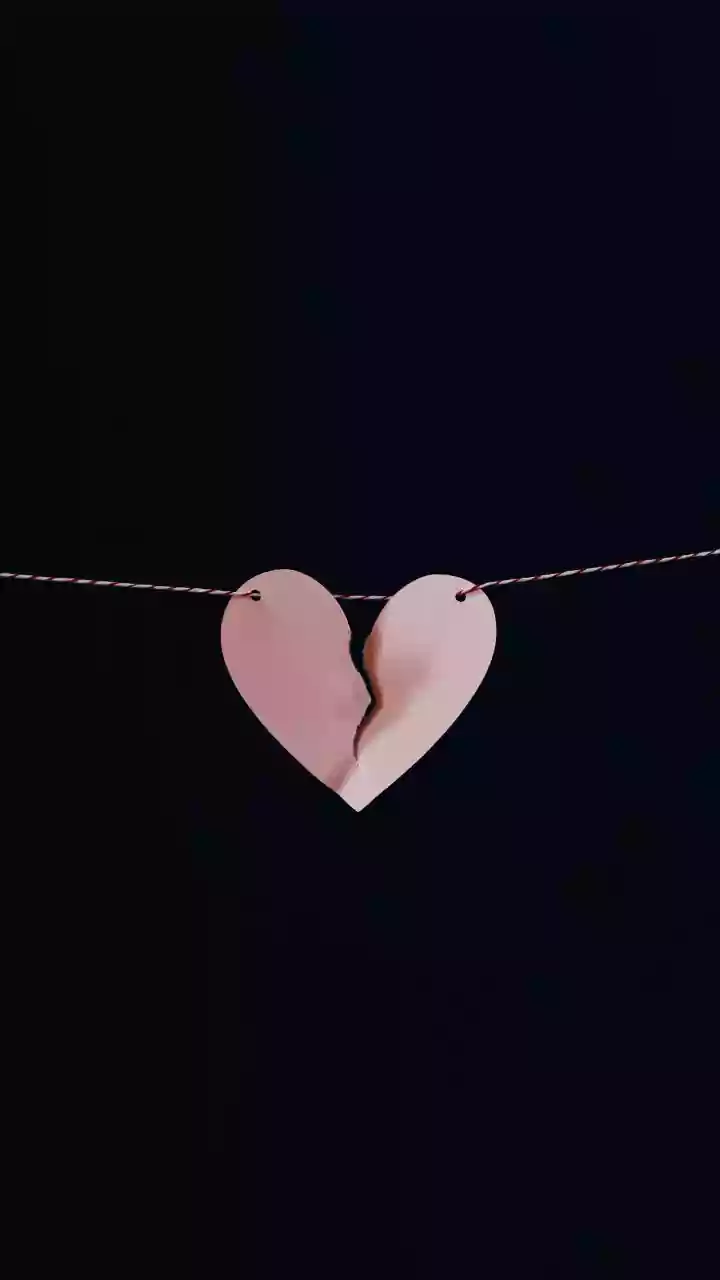



The Vanishing "Extra Mile"
Love often thrives on those thoughtful gestures that go beyond the basic requirements of a relationship. Think of remembering your specific coffee order
or surprising you with a favorite snack. When a partner's affections begin to wane, these extra efforts feel like an insurmountable task. You'll find yourself shouldering the majority of the relationship's maintenance, from planning dates and remembering special occasions to initiating important conversations. This reluctance to invest in your happiness suggests a decreased value placed on the positive reinforcement derived from your joy. It's a clear sign that the motivation to please has diminished.
A Private "We" World
In a flourishing partnership, individual lives naturally intertwine, creating a shared tapestry. However, as feelings dissipate, partners may begin to erect invisible barriers, creating separate spheres of existence. This manifests as making significant personal plans without consultation or learning about crucial life updates through external sources. Feeling more like an observer than an active participant in your partner's life is a substantial warning sign. This behavior is often an unconscious rehearsal for a life lived independently, a precursor to a physical departure.
Emotional "Distant"
As emotional bonds weaken, the depth of connection begins to erode. The intimate late-night talks and frequent sharing of daily events start to dwindle, transforming your partner from a confidant into a mere acquaintance. When you attempt to share your vulnerabilities, fears, or aspirations, you might be met with dismissive, brief responses or platitudes. This gradual emotional withdrawal, a form of passive disengagement, leaves you feeling unseen and unheard, even when they are physically present.
Quirks Become Annoyances
What was once endearing about your personality can transform into sources of irritation when love starts to fade. You might feel constantly on edge, as simple requests, like seeking affection or help with household chores, are met with annoyance or sharp criticism. This shift in perception often stems from a partner's frustration with the perceived obligations of the relationship, which then bleeds into constant, subtle critiques of your character and actions.
The "Cold" Distance
The end of a relationship isn't always marked by dramatic confrontations; it can be a gradual cooling off. While you might still share domestic spaces and routines, the atmosphere shifts from one of warmth and intimacy to one of detached politeness. This feeling of being emotionally isolated, despite physical proximity, can be profoundly lonely. Recognizing these subtle changes is not about succumbing to negativity but about trusting your intuition and ceasing to doubt your own perceptions.
Losing Interest Inquiry
Genuine love fosters an innate curiosity about your partner's inner world – their thoughts, experiences, and evolving interests. When a partner stops inquiring about your day, your feelings, or your new passions, they have essentially disconnected from the line of communication. An evening spent sharing with them might reveal they haven't absorbed a single word, sending a quiet yet potent message that your internal life is no longer a priority.
Solo Future Planning
Pay close attention to how your partner discusses future aspirations. Statements about personal relocation or solo travel plans indicate that they are mentally planning their life without you. When the concept of 'we' disappears from their long-term visions, it signifies a substantial emotional detachment, and they are likely waiting for an opportune moment to finalize the physical separation.
No "Touch" of Affection
Physical intimacy is a tangible expression of emotional connection. When the emotional bond falters, physical affection often follows suit. This isn't solely about a lack of sexual intimacy; it extends to the absence of casual touches, a tendency to pull away from embraces, or frequent excuses to avoid closeness. When physical contact begins to feel like an obligation rather than a natural desire, it signals that the body is reflecting the emotional distance already established by the heart.