






The Science of Downtime
Training imposes stress, and it's during recovery that your body truly adapts and grows stronger. When you rest, your body shifts from a 'fight-or-flight'
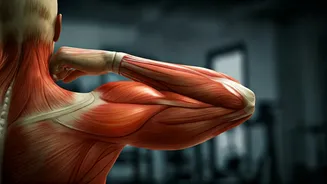
state to a 'rest-and-digest' mode, lowering stress hormones like cortisol and adrenaline, and improving heart rate variability. Within hours, inflammatory markers peak, and as stress subsides, cells begin repairing micro-tears in muscle fibers. A good night's sleep is paramount, triggering spikes in human growth hormone, peaking protein synthesis, and consolidating neuromuscular adaptations. This restorative period is when muscle tissue is rebuilt, vascularization increases, and blood cell production occurs—processes vital for performance enhancement and injury prevention. Periodized training, with scheduled cutback weeks, mirrors this daily recovery process, allowing your body to consolidate gains and prepare for future loads.
Common Recovery Pitfalls
A prevalent mistake among athletes, regardless of their skill level, is insufficient rest. Pushing too hard without adequate recovery periods, or skipping rest days altogether, leads to system breakdown and increased risk of injury or diminished performance. Athletes often misinterpret what constitutes effective recovery, sometimes overcomplicating it with trendy modalities. The notion that rest days should be entirely sedentary, filled with indulgent activities, is also a misconception. While some gentle activity is permissible, the crucial element is maintaining a low intensity that doesn't further stress the body. The true essence of recovery lies in facilitating the body's natural repair processes, rather than simply ceasing all activity.
Active Recovery Strategies
While rest days are crucial, complete inactivity isn't always the answer, nor is it the only way to recover. Engaging in 'active recovery' can be beneficial, provided it's executed correctly. This involves very low-intensity movement, often described as 'the crawl' pace, that encourages blood flow without causing further muscle damage or significantly elevating heart rate. Activities like gentle stretching, a leisurely walk, or a slow, relaxed bike ride fall under this category. The key is to remain well below the threshold that would trigger significant physiological stress or breakdown of muscle fibers. The goal is to support, not hinder, the body's repair mechanisms by keeping the overall stress load to a minimum.
Mindset Over Modalities
A significant error runners make is treating recovery as a task to be completed rather than a state to be achieved. This mindset transforms restorative activities into obligations, paradoxically introducing stress. For instance, scheduling a deep tissue massage on a designated rest day can backfire. While beneficial for runners, it's a modality that breaks down muscle fibers, and performing it when the body is meant to be repairing can hinder the recovery process. It reactivates the sympathetic nervous system, negating the intended rest. Instead, such treatments should be scheduled on training days, allowing at least 24 hours for recovery afterward. Similarly, cold plunges or cryo-chambers, which induce a fight-or-flight response, are better suited for post-training sessions, not dedicated rest periods.
Prioritizing Sleep and Hydration
Sleep stands as the single most critical factor for recovery, impacting rest days, training days, and every day in between. Cultivating good sleep hygiene, including a consistent bedtime routine, minimizing screen time before sleep, and ensuring a restful environment, is paramount. For those who struggle with sleep, even short periods of deep breathing with eyes closed can induce a restorative parasympathetic state. Complementing sleep, proper hydration is the second pillar of recovery. Your body requires ample fluids to repair damage incurred during training. On rest days, it's essential to focus on maintaining high fluid levels, as dehydration acts as a significant stressor on the system, impeding the recovery process.
Strategic Stress Management
The body perceives all forms of stress—physical exertion, emotional turmoil, lack of sleep, poor nutrition, or dehydration—in the same way. Therefore, managing overall stress is crucial for effective recovery. Avoid packing your rest days with excessive errands or demanding tasks, as these activities keep your sympathetic nervous system highly activated, preventing true recovery. While some daily life responsibilities are unavoidable, aim to distribute them rather than consolidating them onto your rest day. The aim is to create a calm environment that allows your body to down-regulate and focus on repair. Recognizing that rest is a state of being, not a checklist of activities, is key to avoiding burnout and optimizing your body's natural healing capabilities.
The Power of Compression
Among the various recovery modalities available, compression boots stand out as an optimal choice for athletes. Research indicates that these devices effectively enhance blood flow without causing tissue damage, allowing the user to simply relax with their feet elevated. This passive approach aligns perfectly with the principles of effective rest. Unlike intense treatments that can stimulate the sympathetic nervous system, compression boots promote circulation in a way that supports the body's natural recovery processes. They offer a tangible benefit by aiding in the removal of metabolic byproducts and reducing inflammation, all while encouraging a state of relaxation, making them an ideal addition to a well-rounded recovery strategy.
Embrace Imperfection
It's easy to fall into a trap of perfectionism regarding rest and recovery, leading to anxiety about whether you're doing enough or if you've inadvertently sabotaged your training. However, the most effective approach is often the simplest. Allow your body the space and time to heal naturally without adding unnecessary pressure or complex routines. While errands and life's demands will inevitably exist on rest days, focus on creating pockets of genuine downtime where you can practice deep breathing and positive self-talk. Prioritize hydration, engage in some self-care at home, and trust that your body is capable of remarkable recovery when given the opportunity to simply rest and repair.