
The Gut Health Cornerstone
Your digestive system is intricately linked to your overall health, influencing everything from your immune system to your mood via the gut-brain axis.
Maintaining a balanced gut microbiome is crucial, and dietary choices play a pivotal role in this. Disturbances can manifest as common issues like bloating and acidity, or more persistent conditions like Irritable Bowel Syndrome (IBS). Therefore, making informed decisions about what you eat is fundamental to protecting and nurturing your gut. This article delves into expert recommendations for enhancing gut health, with a particular emphasis on a universally accessible and beneficial food: curd.
Why Plain Curd Reigns Supreme
Curd, or dahi, is a celebrated fermented food renowned for its significant probiotic content. These beneficial live microorganisms are vital for a healthy digestive tract, aiding in nutrient absorption and promoting overall well-being. When selecting curd for its health benefits, the key is to opt for plain, unsweetened varieties. Many commercially available yogurts and flavored curds are laden with added sugars, which can unfortunately negate the positive impact of the probiotics. Homemade curd, prepared hygienically, is also an excellent choice. The underlying principle is to consume curd in its purest form, free from additives, to fully leverage its natural goodness for your gut.
Fermented Foods & Fiber Allies
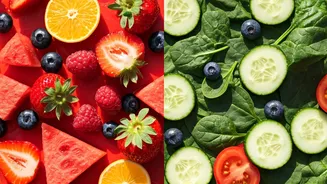
A diverse diet is essential for a thriving gut. Fermented foods and fiber are two exceptional components that significantly bolster digestive function. Beyond curd, other beneficial fermented options include buttermilk (chaas), kefir, idli-dosa batter, kanji, tempeh, kimchi, sauerkraut, and miso. It's important to note that the live cultures in some commercially processed fermented foods might be diminished if they undergo heat treatment or pasteurization post-fermentation. Alongside fermented items, incorporating ample fiber-rich foods is critical. Examples such as bananas, apples, papayas, oats, dals, beans, leafy greens, nuts, and seeds support regular bowel movements and contribute to a varied gut microbial community, enhancing digestive resilience.
Essential Nutrients for Digestion
Beyond probiotics and fiber, a balanced intake of various vitamins and minerals is indispensable for maintaining optimal health and digestive efficiency. Calcium, found abundantly in curd, milk, paneer, and yogurt, is vital for bone health and various bodily functions. Vitamin D, crucial for calcium absorption and immune support, is present in oily fish and egg yolks, though supplements may be necessary for some. Iron, essential for oxygen transport, is abundant in lentils, beans, and meat. Magnesium, found in leafy greens and nuts, plays a role in energy production and muscle function. Zinc, abundant in legumes and dairy, is important for immune function. Finally, B vitamins and folate, found in whole grains and leafy greens, are critical for cell metabolism and overall well-being.
Timing Your Meals Wisely
Just as important as what you eat is when you eat. Allowing your digestive system adequate rest is paramount, and this means avoiding constant snacking. Continuous eating keeps your digestive organs working overtime, increasing the risk of discomforts like bloating and acidity. For those prone to indigestion, heartburn, or reflux, it's highly advisable to avoid consuming meals or substantial snacks for at least three to four hours before bedtime. Establishing an earlier dinner routine, ideally between 6:30 pm and 7:30 pm for individuals sleeping around 10:30 pm, can significantly improve digestive comfort and promote better gut health overnight.