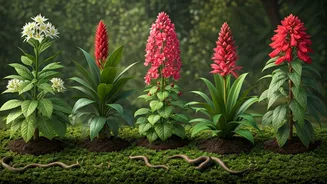

Garlic: A Strong Scent
Garlic, known for its pungent smell, is a highly effective snake repellent. The strong odor of garlic, particularly from its bulbs and leaves, is a major
deterrent for snakes. Planting garlic around the perimeter of your garden can act as a natural barrier. For optimal results, consider crushing garlic cloves and mixing them with water to create a spray. Regular application of this spray on plants and around your garden can amplify its repellent effect. Garlic's easy cultivation and widespread availability make it an accessible option for gardeners looking to keep snakes away without resorting to harmful chemicals. Moreover, garlic plants add an aesthetic appeal to the garden while offering protection against snakes.
Onions: Repel with Smell
Similar to garlic, onions emit a robust aroma that snakes dislike. The sulfuric compounds in onions are responsible for their potent smell, making them a natural repellent. Planting onions alongside other garden plants creates an unfriendly environment for snakes. For enhanced effectiveness, chop up onions and disperse them in areas where snakes might enter or hide. The strong scent of the onions will drive them away. Onions are easy to grow and can be incorporated into various garden layouts. They are also edible, so you get the bonus of a useful and practical plant in addition to a snake repellent. Consistent application and strategic placement of onions ensure they effectively contribute to a snake-resistant garden, providing a layer of natural protection.
Marigolds: Floral Deterrent
Marigolds are colorful and attractive flowers that also serve as effective snake repellents. The marigold plant contains pyrethrins, which are natural insecticides that snakes find repulsive. Their vibrant appearance adds beauty to gardens while offering an added benefit of keeping snakes away. Planting marigolds in clusters or borders around your garden creates a visual appeal and a protective barrier against snakes. They thrive in various soil types and are easy to maintain, making them an excellent choice for any gardener. In addition to repelling snakes, marigolds also deter other garden pests, contributing to a healthier environment for your plants. This makes them a dual-purpose addition to your garden, enhancing both its aesthetics and protective capabilities.
Lemongrass: Citrus Barrier
Lemongrass is another beneficial plant that keeps snakes away because of its strong citrus scent. Snakes are highly sensitive to strong odors, and the aroma of lemongrass is known to repel them effectively. Planting lemongrass plants in your garden creates a sensory barrier that snakes tend to avoid. You can also use lemongrass essential oil or crushed leaves to amplify its repellent properties. Lemongrass is relatively easy to grow and flourishes in warm climates, making it a sustainable option for garden protection. Its aromatic qualities can also add a pleasant fragrance to your outdoor space, creating a welcoming atmosphere while keeping unwanted guests away. Lemongrass is an excellent natural solution for keeping snakes away from gardens.
Mother-in-Law's Tongue
Mother-in-Law's Tongue, known for its sharp, sword-like leaves, is another plant that offers a natural defense against snakes. These plants are known to produce a potent aroma that snakes generally dislike. Planting these around your garden's perimeter can create a protective barrier. Mother-in-Law's Tongue, also known as Sansevieria, is exceptionally easy to maintain and can tolerate diverse conditions, making it perfect for both novice and experienced gardeners. It is drought-tolerant and requires minimal care, which is a great benefit. Its stiff leaves and unique appearance add an interesting aesthetic touch to your garden. The ease of maintenance and the natural deterrent qualities make this an effective solution to warding off snakes.