





Understanding Hair Fraying
Split ends, technically known as trichoptilosis, are a common hair woe that occurs when the hair's protective outer layer, the cuticle, becomes compromised.
This damage leads to the hair shaft splitting into two or more segments, creating a frayed appearance. Dermatologists emphasize that our daily routines are often the culprits behind this damage. Frequent exposure to high heat from styling tools, undergoing numerous chemical treatments like perms or dyes, washing hair too often, and using harsh shampoos can all strip hair of its natural moisture and weaken its structure. Beyond styling and products, environmental aggressors such as intense sun exposure, air pollution, and high humidity can also contribute to cuticle damage. Even the way we style our hair, for instance, by pulling it back too tightly or aggressively drying it with a towel, can exert stress and lead to breakage over time.
The Truth About Repair
A common misconception is that split ends can be effectively repaired once they appear. However, medical experts clarify that this is not the case. Once a hair strand has frayed, it's impossible to permanently mend the split. Many hair products marketed to 'seal' split ends offer only a superficial, temporary fix, making the hair appear smoother for a short period. The definitive and long-term solution recommended by dermatologists is to professionally trim away the damaged portions of the hair. Regular haircuts are crucial not only for aesthetics but also to prevent the split from propagating further up the hair shaft, which could lead to more extensive breakage and thinning of the hair.
Managing Appearance Effectively
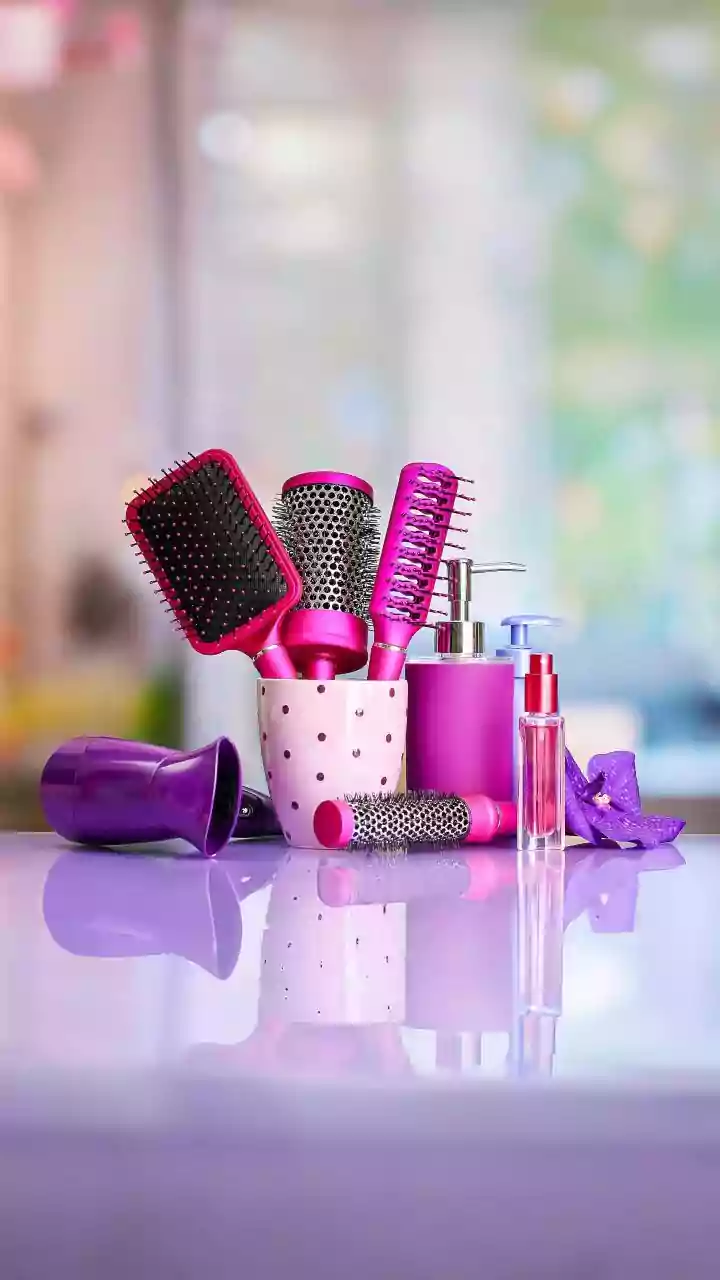
While reversing existing split ends isn't possible, their appearance can be significantly managed and minimized with a strategic approach to hair care. Dermatologists advise beginning with a gentle, sulfate-free shampoo that cleanses without stripping essential oils. Following this with a hydrating conditioner is vital to replenish moisture. Incorporating a deep conditioning mask into your weekly routine can provide intense nourishment and restore suppleness to dry hair. For daily smoothing and to reduce friction, a lightweight serum or leave-in conditioner is beneficial. It's also imperative to curtail the use of heat styling appliances. When heat styling is unavoidable, always apply a heat protectant spray beforehand. Utilizing a wide-tooth comb for detangling, especially when hair is wet and most vulnerable, can further prevent breakage and minimize the formation of new split ends.
Proactive Prevention Strategies
Prevention is the cornerstone of maintaining healthy hair and avoiding split ends altogether. Dermatologists recommend scheduling regular trims every six to eight weeks to ensure the ends remain in optimal condition. Significantly reducing reliance on heat styling and limiting exposure to harsh chemical treatments are also key preventative measures. Furthermore, protecting your hair from environmental stressors is equally important. During periods of intense sun exposure or high pollution, consider covering your hair. For nighttime care, switching to silk or satin pillowcases can reduce friction against your hair as you sleep. Nutrition plays a vital role too; ensuring your diet is rich in adequate protein, essential vitamins, and minerals supports hair health from within. Staying well-hydrated and managing stress levels also contribute to overall hair quality and resilience, making them integral to a comprehensive hair care strategy.