





The Default Bottle
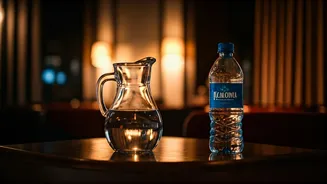
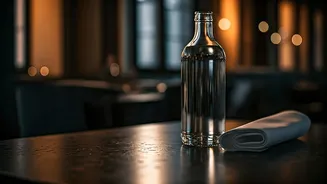
A common sight upon settling into a restaurant seat is the immediate presence of a bottled water. This isn't a new occurrence, but a Mumbai-based entrepreneur's
online post has brought renewed attention to this subtle, yet significant, aspect of the dining experience. He highlighted how this seemingly minor detail, often overlooked, has evolved over time. Previously, basic mineral water costing around ₹15 was the norm. However, the trend has shifted, with many establishments now placing more expensive options, such as ₹60 bottles or premium brands like Vedica and Himalayan, as the standard offering from the outset.
The Psychology of 'No'
The entrepreneur's post delved into the psychological underpinnings of why diners often accept the pre-placed bottled water without question. When an item is already present, it establishes itself as the default. Declining it then requires a conscious effort, and asking for a less expensive alternative can feel awkward or uncomfortable. Consequently, many patrons simply go along with what's provided, leading to increased spending without a deliberate choice. The post argued that a fairer approach would involve staff actively inquiring about preferences, such as offering a choice between regular RO (Reverse Osmosis) water or bottled water. This direct question, it suggests, fosters awareness and can curb unnecessary expenditure, whereas placing the bottle silently makes the decision for the customer.
Online Discourse Unpacked
The online reaction to this observation was notably divided. Some commenters dismissed the idea that customers lacked agency, asserting that individuals can easily refuse the offered bottle and that it's simply an upselling tactic by the restaurant. Others voiced stronger concerns, particularly regarding potential exploitation of tourists, suggesting that some businesses intentionally place items like water or snacks without consent and then charge for them. A segment of users shared their own strategies for navigating this situation, with one individual stating they would 'shamelessly ask them to replace the bottle with RO water.' Another perspective highlighted that many people might open the bottle simply because it's there, not necessarily because they are acutely thirsty, viewing it as a lucrative marketing and revenue stream for establishments.