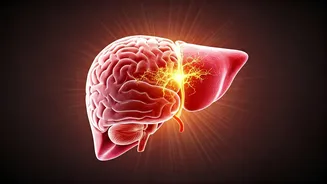








Liver Health Boost
Embracing your daily coffee habit could be a boon for your liver. Regular consumption of black coffee has been linked to a reduced risk of significant
liver damage, including the irreversible scarring known as cirrhosis. While not a sole solution, incorporating coffee into your routine is now considered a doctor-approved method to support liver well-being and combat the excessive buildup of scar tissue, contributing to a healthier organ over time.
Metabolic Ignition
Your morning brew might be a silent partner in your metabolic health. Coffee contains key components like chlorogenic acid, which studies suggest can enhance insulin sensitivity. This property aids in the body's ability to utilize glucose effectively and promotes fat oxidation, essentially signaling your body to break down stored fat for energy. Furthermore, coffee acts as a natural appetite suppressant, potentially helping you manage your calorie intake and maintain a healthy weight.
Cognitive Enhancement
Experience a heightened sense of alertness and improved mental performance with your daily coffee. Caffeine, the active compound in coffee, is well-known for its stimulant effects on the central nervous system. This leads to increased focus and sharper cognitive function, making it easier to concentrate on tasks. While it's not a substitute for adequate sleep, the boost in mental clarity can be significant, aiding in both professional and personal endeavors.
Digestive Aid
For many, coffee plays a crucial role in regulating digestive processes. It is recognized for its ability to stimulate bowel movements and enhance gut motility. The acids present in coffee can elevate gastrin hormone levels, a hormone directly involved in triggering the involuntary muscle contractions of the intestines that facilitate bowel activity. This effect is quite common, with a notable percentage of coffee drinkers reporting an increased urge to defecate after consumption.
Important Cautions
While coffee offers numerous advantages, it's essential to be mindful of individual responses. Individuals with Irritable Bowel Syndrome (IBS) should exercise caution, as coffee can exacerbate symptoms like abdominal pain, diarrhea, or bloating. Dr. Sethi suggests limiting intake to one to three cups of black coffee daily and advises discontinuing or reducing consumption if experiencing adverse effects such as palpitations, anxiety, acid reflux, or disturbed sleep. He also strongly recommends avoiding the addition of sugar and heavily processed creamers to maintain coffee's health benefits.