
Winter Skin Challenges
Winter's cold, dry air presents significant challenges for skin health. Reduced humidity and indoor heating strip away the skin's natural moisture barrier,
leading to dryness, itchiness, and irritation. Additionally, exposure to harsh winds and extreme temperature fluctuations further compromises the skin's protective function. Understanding these environmental stressors is the first step towards formulating an effective skincare strategy. Recognizing these challenges allows for the selection of products and practices specifically designed to replenish moisture and shield the skin from the elements. This proactive approach ensures skin remains comfortable and healthy even during the harshest weather. Regular exfoliation, hydration, and protection are key components in the winter skincare routine. Remember, adapting your skincare routine to the season is crucial for maintaining skin health.
Cleansing & Gentle Care
Gentle cleansing is paramount during winter. Harsh soaps can strip the skin of its natural oils, exacerbating dryness. Dermatologists often recommend creamy, hydrating cleansers that effectively remove impurities without compromising the skin's barrier. Avoid hot water, opting instead for lukewarm water, as it helps prevent further drying. Look for cleansers containing ingredients like ceramides, hyaluronic acid, and glycerin, which aid in retaining moisture. These gentle cleansers are better suited for sensitive skin, and are less likely to cause irritation or inflammation. Pat the skin dry with a soft towel instead of rubbing, to preserve its natural moisture. Cleansing twice a day, in the morning and evening, can keep the skin clean. Always follow with a moisturizer immediately after cleansing to lock in moisture. For those with particularly sensitive skin, consider a cleanser formulated specifically for sensitive skin or those with eczema.
Hydrating Moisturizers
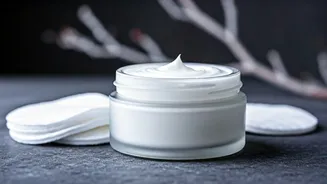
Moisturizing is undoubtedly the cornerstone of a winter skincare routine. The selection of a rich, hydrating moisturizer is essential to combat dryness and seal in moisture. Dermatologists suggest opting for moisturizers with ingredients such as ceramides, hyaluronic acid, and occlusives like petrolatum or shea butter. Ceramides reinforce the skin's natural barrier, preventing moisture loss, whereas hyaluronic acid draws moisture from the air into the skin. Occlusives form a protective layer, sealing in moisture to prevent it from escaping. Apply moisturizer liberally immediately after cleansing, when the skin is still damp, to enhance absorption. Reapply throughout the day, especially after washing hands or exposure to harsh weather. Consider using a heavier moisturizer at night to allow it to work its magic while you sleep. A good moisturizer should leave the skin feeling supple and comfortable without feeling greasy.
Sun Protection is Vital
Sun protection is often overlooked during winter, but it's crucial for maintaining skin health. Even on cloudy days, harmful UV rays can penetrate the atmosphere and damage the skin. Sunscreen should be a non-negotiable part of your daily winter skincare routine. Dermatologists recommend using a broad-spectrum sunscreen with an SPF of 30 or higher. Look for formulas that are both moisturizing and protect against UVA and UVB rays. Apply sunscreen generously to all exposed areas of the skin, including the face, neck, and hands, at least 15 minutes before going outside. Reapply every two hours, especially if you are spending time outdoors. Incorporating sunscreen into your winter skincare regimen helps prevent sun damage, premature aging, and reduces the risk of skin cancer. Choosing a lightweight, hydrating formula can make sun protection more comfortable and easier to integrate into your daily routine.
Exfoliation Strategies
Regular, gentle exfoliation can help remove dead skin cells that cause dullness and promote a healthy glow. However, during winter, over-exfoliating can lead to irritation and dryness. Dermatologists recommend exfoliating once or twice a week, using a gentle physical or chemical exfoliant. Physical exfoliants, such as scrubs with fine particles, should be used with caution and with light pressure to avoid damage. Chemical exfoliants, like those containing AHAs or BHAs, can be effective but should be used sparingly, as they can increase skin sensitivity to the sun. After exfoliating, always follow with a hydrating moisturizer to replenish moisture. Pay attention to how your skin responds to exfoliation and adjust your routine accordingly. Avoid harsh scrubs and overly aggressive techniques. This process should brighten and smoothen the skin without causing irritation. The primary objective is to get rid of dead cells to reveal a healthier complexion.