







Veganism's Athletic Rise
A significant number of athletes across various disciplines are increasingly adopting a vegan lifestyle, moving away from traditional meat-heavy diets.
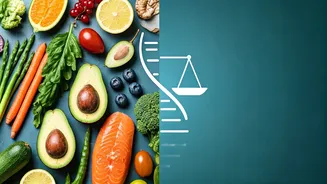
This isn't merely a trend but a conscious choice driven by observed benefits in performance and well-being. These athletes report experiencing enhanced endurance, quicker recovery times after intense training sessions, and a general improvement in their physical output. They often attribute these positive changes to the nutrient-dense nature of plant-based foods, which provide essential vitamins, minerals, antioxidants, and complex carbohydrates crucial for fueling the body and facilitating repair processes. The perception of plant-based diets as restrictive is being challenged by a growing body of evidence and personal testimonials from elite performers who are thriving without animal products.
Performance Boosters
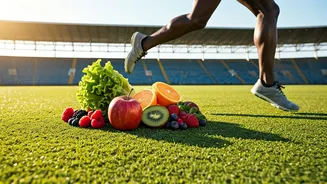
The core appeal of veganism for athletes lies in its potential to elevate physical capabilities. Plant-based diets are typically rich in complex carbohydrates, the body's primary energy source, ensuring sustained energy levels during prolonged exertion. Furthermore, the abundance of antioxidants found in fruits, vegetables, and whole grains plays a vital role in combating exercise-induced oxidative stress, which can lead to muscle fatigue and damage. By reducing inflammation, these antioxidants contribute to faster recovery and a lower risk of injury. Athletes often highlight an improved blood flow due to increased nitric oxide production from plant foods, which aids in oxygen delivery to muscles, thus enhancing stamina and reducing perceived exertion. This dietary approach supports a more efficient and resilient physique.
Recovery and Health
Beyond performance enhancement, the impact of veganism on an athlete's recovery and long-term health is a major draw. The anti-inflammatory properties inherent in a plant-rich diet can significantly shorten the downtime between demanding workouts, allowing for more consistent and effective training. Athletes often report experiencing less muscle soreness and quicker healing from minor strains. Moreover, a well-planned vegan diet can contribute to a healthier cardiovascular system, improved digestion, and a stronger immune system, all of which are fundamental for sustained athletic careers. The focus shifts from repairing damage caused by inflammatory foods to actively promoting a state of robust health and resilience, enabling athletes to maintain peak condition throughout their competitive journeys.