






Why Car Seats Matter
Embarking on parenthood brings a cascade of decisions, from selecting the coziest cot to the most maneuverable stroller. Amidst these choices, the car
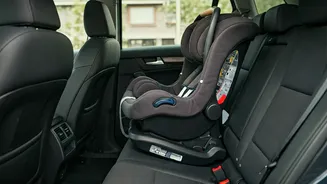
seat often gets overlooked, especially in regions without mandatory legislation like India. The #SafestLap initiative champions the understanding that while a parent's lap may feel secure, it offers no protection in a vehicular accident. Sudden stops or collisions can result in severe injury to the baby, and the only true safeguard is an appropriately designed car seat. For infants, a rear-facing seat is paramount, providing optimal support for their delicate head, neck, and spine, a crucial detail often misunderstood. This initiative underscores that prioritizing a car seat is not a luxury, but a fundamental necessity for infant safety.
Debunking Car Seat Myths
Several persistent myths surround the use of baby car seats, leading to hesitation and potential risks. One common misconception is that a baby in arms is safe during car travel, which is dangerously untrue; a sudden jolt can cause the baby to be thrown or dropped, leading to severe harm. Another myth suggests car seats aren't suitable for newborns or premature babies, fearing they might harm their delicate backs and necks. In reality, car seats are designed to offer excellent support and comfort, even for the most vulnerable infants. The idea that all car seats are identical is also false; they vary significantly in design, features, and safety standards, necessitating careful selection based on the child's age, weight, and height. Furthermore, the belief that older babies don't need car seats is incorrect; they transition to forward-facing seats or boosters as they outgrow rear-facing options, and car seat belts alone are insufficient for children under seven. Finally, the notion that car seats are only for long drives is misleading; accidents can occur at any speed, even on short trips, making car seats essential for every journey.
Choosing the Right Seat
Selecting the ideal car seat involves considering several key factors to ensure maximum safety and comfort for your child. Prioritize seats that are easy to clean, especially since spills and messes are inevitable with young children. A straightforward installation process is crucial; opting for seats with clear instructions or ISOFIX compatibility can significantly enhance safety. ISOFIX systems, recognized globally, anchor the seat directly to the car's frame, offering a more secure connection than seat belts alone, though compatibility should be checked with your vehicle. The seat should be adjustable in both height and length to accommodate your growing child and accommodate different seasonal clothing. Look for comfort features like padding and reducer cushions, particularly vital for newborns. Crucially, ensure the seat offers robust side impact protection, often through specialized inserts designed to absorb energy and shield the head, neck, and chest during lateral collisions. Research indicates that using an appropriate car seat can reduce the risk of injury by approximately 70% and death by 28%.
Safe Travel Practices
Ensuring a safe and comfortable journey with your baby requires more than just a properly installed car seat; it involves adopting smart travel strategies. Before you even start the engine, conduct a pre-trip checklist to ensure all essentials are within reach and that loose items in the car are secured to prevent them from becoming projectiles. Consider having a companion in the back seat to assist with the baby, providing an extra layer of support. For longer drives, plan regular breaks to allow your baby to stretch, feed, and have a diaper change, making the journey more pleasant. Keeping your baby engaged with toys or soothing music can minimize fussiness. Utilizing in-car mirrors or monitors allows you to keep an eye on your child without compromising your focus on the road. If you're driving alone, practice multitasking carefully, familiarizing yourself with your car's controls to manage needs without taking your eyes off the road for extended periods. Most importantly, if your baby becomes distressed or needs attention, pull over to a safe location before addressing their needs, always prioritizing road safety above all else.