






Mission Objectives Explored
The Venus Orbiter Mission (VOM) represents a pivotal moment for India's space program, marking its inaugural focused expedition to Venus. This initiative
is meticulously designed to conduct in-depth investigations into the planet's atmospheric composition, its surface features, and the potential for ongoing volcanic activity. By undertaking these detailed analyses, the mission aims to significantly expand our scientific comprehension of Venus, often referred to as Earth's "sister planet" due to its comparable size. The extreme conditions on Venus, characterized by a dense carbon dioxide atmosphere, pervasive sulfuric acid clouds, and a runaway greenhouse effect, make it a particularly compelling subject for scientific inquiry. Researchers hope that studying Venus's atmospheric evolution and climate dynamics will offer valuable insights into potential past and future climate scenarios for Earth, thereby enhancing our understanding of planetary habitability and atmospheric processes across different celestial bodies.
Advanced Instrumentation Deployed
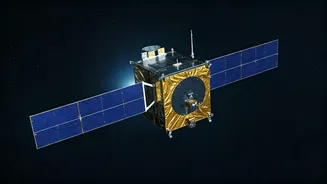
To achieve its ambitious scientific goals, the VOM will be outfitted with a sophisticated suite of scientific instruments, a blend of indigenous developments and internationally sourced payloads. These instruments are engineered to meticulously analyze various aspects of Venus, including its atmospheric makeup, the behavior of its clouds, distinct surface characteristics, the ionosphere's dynamics, and the complex interactions between Venus's atmosphere and the solar wind. A critical objective of this mission is to actively seek out evidence indicating current or very recent volcanic eruptions on Venus. Employing cutting-edge radar and spectroscopic technologies, the orbiter is expected to pinpoint surface alterations and thermal anomalies, providing crucial data that will inform the ongoing scientific debate regarding Venus's geological dynamism and internal processes. Furthermore, the mission will investigate unique atmospheric phenomena like "super-rotation," where the atmosphere circulates much faster than the planet's rotation, and the distribution of elusive trace gases, aspects that continue to puzzle scientists.
Building on Successes
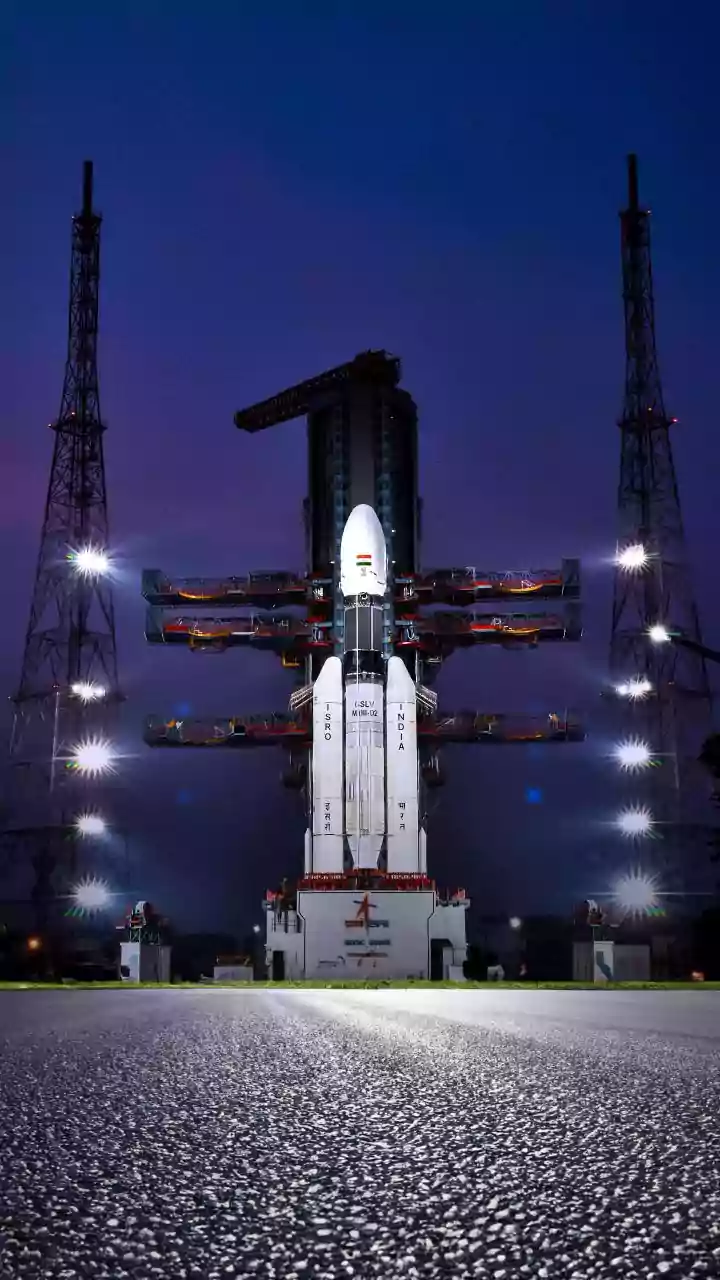
The development of the Venus Orbiter Mission leverages the invaluable experience and technical expertise ISRO has cultivated through its previous successful interplanetary ventures. Notably, the agency's prior achievements include the Chandrayaan lunar missions and the highly acclaimed Mars Orbiter Mission (Mangalyaan). These missions have demonstrably showcased India's growing proficiency in navigating deep space, managing complex long-duration missions, and executing space exploration projects with remarkable cost-effectiveness. The collaborative aspect of the VOM, with planned international partnerships for payload development, is anticipated to further enrich the scientific outcomes and foster stronger global research collaborations. Beyond its primary scientific aims, the VOM carries significant weight in terms of technological advancement and strategic national development. It is poised to spur innovation in areas such as spacecraft autonomy, sophisticated thermal management systems essential for Venus's harsh environment, and the development of high-resolution radar imaging capabilities that can penetrate the planet's dense cloud cover and operate under extreme conditions.
Global Significance and Future
The Venus Orbiter Mission significantly bolsters India's capabilities in planetary science and reinforces its position among the world's leading space-faring nations. By contributing vital data and insights into planetary climates, particularly the extreme conditions found on Venus, the mission underscores India's dedication to pursuing space exploration in a peaceful, collaborative, and globally beneficial manner. This endeavor is not merely about studying another planet; it's about understanding fundamental planetary processes that could shed light on Earth's own climate trajectory. The mission's success will pave the way for future, more complex explorations of Venus and other celestial bodies, solidifying India's role as a key player in international space science and fostering scientific curiosity and innovation for generations to come.