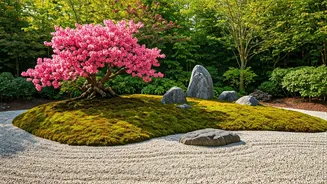

Embrace Imperfection: Wabi-sabi
Wabi-sabi is a philosophy that encourages acceptance of imperfection. It acknowledges that nothing is perfect, finished, or permanent. This viewpoint recognizes
beauty in the flawed, impermanent, and incomplete aspects of life. In practice, wabi-sabi encourages individuals to appreciate the natural marks of time, such as wear and tear on objects, as signs of their unique history. The philosophy promotes a sense of contentment with what is, rather than striving for unattainable perfection. By embracing wabi-sabi, individuals can reduce stress associated with perfectionism and cultivate a deeper appreciation for the beauty inherent in simplicity and the passage of time. This approach can be applied in various contexts, from home décor to personal relationships, fostering a more mindful and accepting approach to life's inevitable changes and imperfections. It reminds us that flaws are not failures, but rather, unique characteristics that add character and depth.
Continuous Improvement: Kaizen
Kaizen, translating to “good change,” emphasizes continuous improvement. The core principle lies in making small, incremental changes regularly to achieve significant long-term results. It is not about radical overhauls but consistent efforts toward betterment. Kaizen can be applied to diverse areas, from personal habits to professional environments, fostering a culture of ongoing learning and refinement. The essence of Kaizen involves identifying areas needing improvement and implementing small adjustments daily. This method avoids the overwhelm often associated with ambitious goals and allows for sustainable progress. Individuals are encouraged to focus on one small change at a time, making it easier to maintain momentum and build positive habits. Kaizen's practice leads to increased efficiency, reduced waste, and a heightened sense of control and accomplishment. This approach also promotes flexibility and adaptability, as each small change provides learning opportunities that can be used to refine and improve the process further. Kaizen is a powerful tool for personal development and achieving long-term goals.
Finding Purpose: Ikigai
Ikigai, roughly translated as “reason for being,” is a concept focused on finding purpose in life. It emphasizes the intersection of what you love, what you are good at, what the world needs, and what you can be paid for. This philosophical principle proposes that by aligning these four elements, individuals can discover their personal ikigai, fostering a sense of fulfillment and meaning. Exploring ikigai involves self-reflection and a careful examination of passions, skills, values, and contributions to society. Discovering your ikigai offers a sense of direction and motivation, leading to a more engaged and purposeful life. This pursuit often involves identifying activities that provide joy and a sense of accomplishment. It encourages a proactive approach to one's life, aligning work with personal values and contributing meaningfully to the world. A strong sense of ikigai often correlates with increased longevity and well-being as individuals feel a clear purpose that fuels them daily.
Thoughtful Empathy: Omoiyari
Omoiyari is a principle centered on thoughtful empathy and consideration for others. It involves anticipating the needs of those around you and acting accordingly without being asked. This concept encourages a level of attentiveness that goes beyond simple politeness, requiring individuals to be truly mindful of the feelings and experiences of others. In practice, omoiyari might involve offering help, anticipating someone's need, or creating a comfortable environment for those around you. It promotes a sense of harmony and mutual respect within a community. Practicing omoiyari often involves developing excellent observational skills and an ability to read non-verbal cues. This understanding goes beyond surface-level interactions, fostering deeper connections with others. It helps build trust and strengthens relationships by demonstrating genuine care and concern. Omoiyari contributes significantly to creating a more compassionate and supportive social environment.
Accepting the Inevitable: Shikata Ga Nai
Shikata ga nai translates to “it cannot be helped” or “it is what it is”. It encapsulates the philosophy of accepting what lies beyond one's control. It acknowledges the need to come to terms with circumstances and events that cannot be changed. This philosophy is about recognizing and releasing the emotional burden of resisting what is unchangeable. Applying this concept does not imply passivity or indifference, but rather, a pragmatic approach to life's challenges. It encourages focusing on what can be influenced while letting go of the need to control the uncontrollable. Shikata ga nai assists in reducing stress and fostering resilience, as it allows individuals to accept difficult situations with a sense of perspective. It prompts you to redirect energy toward actions that can make a positive difference rather than dwelling on the impossible. This mental framework helps cultivate a sense of inner peace by promoting an acceptance of reality and the limitations inherent to life.
Valuing Space: Ma
Ma is the concept of valuing space and pause in life. It recognizes the importance of intervals, gaps, and emptiness in creating meaning and balance. It is a philosophy that applies to both physical space and the pause in time, emphasizing the significance of these elements in our lives. In practice, ma can influence the design of a room, where empty space becomes an integral part of the aesthetic. It also applies to time, advocating for pauses and breaks as essential components of productivity and well-being. By embracing ma, individuals can create a sense of spaciousness, allowing them to appreciate the present moment and cultivate a sense of inner peace. It promotes mindful living and encourages a balanced approach to life, from the way we organize our homes to how we manage our time. This philosophy stresses that emptiness is not void, but rather, a vital element that can enhance our experiences and appreciation of the world around us.
Inner Improvement: The Gita
Drawing from the Bhagavad Gita, the concept of controlling one’s senses, gaining knowledge, and attaining peace forms a path to inner enlightenment. Chapter 4, verse 39, emphasizes the importance of these practices for spiritual growth. The verse highlights that through controlling the senses, one can gather wisdom and attain peace of mind. By focusing on self-discipline and knowledge, individuals can transcend the limitations of their physical and mental states. This pursuit involves developing a capacity to manage desires, thoughts, and emotions. The Gita advises that self-awareness is key to unlocking spiritual understanding. By understanding and overcoming the inner obstacles that hinder peace, one can move towards a more enlightened existence. The practices of self-control, learning, and peace, combined, create a path to personal growth.