





Selecting & Storing Fiddleheads
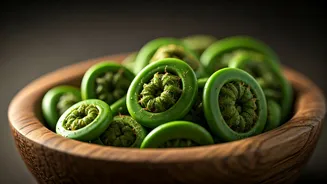
Fiddlehead ferns, the tightly coiled young shoots of the ostrich fern, are a rare spring treat with a brief season. You'll typically find them at farmers'
markets or well-stocked grocery stores, often loose or in small containers. When choosing them, look for vibrant green, tightly curled specimens with minimal browning or dryness, as these indicate freshness and will yield a less fibrous texture. Avoid any that appear dark or wilted. Due to their delicate nature, it's best to plan to cook them within a couple of days of purchase. To store them before use, keep them unwashed in a loosely sealed bag in the refrigerator, perhaps with a paper towel to absorb excess moisture. It's crucial to trim and wash them thoroughly just before you're ready to begin the cooking process.
The Art of Cleaning
Before they hit the heat, fiddleheads require a careful cleaning process to remove any grit lodged within their coils and the papery brown husks that often cling to their surface. Start by trimming away any dry or discolored ends. Next, fill a large bowl with cold water and submerge the fiddleheads, swishing them around to dislodge loose dirt. Crucially, lift the ferns out of the water rather than pouring the water off, to avoid redistributing the grit. Repeat this rinsing process with fresh water until the water remains clear. While rinsing, gently rub to remove any remaining papery husk material from the coils. This meticulous cleaning ensures a pleasant eating experience, free from unwanted debris.
Ensuring Safe & Delicious Cooking
Fiddleheads absolutely must be cooked thoroughly to be safe for consumption, as raw or undercooked versions have been linked to gastrointestinal issues. The exact culprit isn't pinpointed, but complete cooking effectively mitigates this risk and also enhances their texture and flavor. Their coiled structure can lead to uneven cooking with high, dry heat methods like sautéing or roasting, where the outer parts might appear done before the center is properly cooked. To ensure even cooking, it's recommended to begin by boiling or steaming them. Submerging them in boiling, generously salted water for just 1 to 3 minutes, until they turn a bright green, ensures the heat penetrates uniformly. After draining and patting them dry, they are ready for a secondary cooking method.
Versatile Finishing Techniques
Once par-cooked, fiddleheads can be finished in several delicious ways. Sautéing involves heating butter or oil, then cooking the fiddleheads for 6-8 minutes until tender and lightly browned, seasoned simply with salt and pepper, or enhanced with garlic, spices, and a final touch of lemon or vinegar. They serve well as a side, in omelets, or tossed with pasta. Roasting calls for tossing the par-cooked fiddleheads with oil and salt, then baking at 425°F (220°C) for 15-20 minutes until tender and slightly crisp, perfect for salads or alongside roasted meats. Simmering involves gently cooking them in a small amount of liquid like stock or cream for 5-8 minutes, ideal for creamy dishes or curries. Finally, they can be pickled by tossing warm fiddleheads in a brine of equal parts vinegar and water with salt and sugar, preserving them for later use in salads or grain bowls.