






Understanding Fiber's Role
Constipation is a common ailment often stemming from insufficient dietary fiber, dehydration, or inactivity. Fiber is crucial for a healthy digestive system
because it adds bulk to stools, facilitating easier passage and maintaining a clean, functional digestive tract. Incorporating fiber-rich foods is a natural and effective way to manage this condition. This guide focuses on how different types of fiber, alongside adequate hydration, are key to preventing and relieving constipation through everyday Indian cuisine. Understanding the distinct benefits of both soluble and insoluble fiber will empower you to make informed dietary choices.
Soluble Fiber: The Soothing Gel
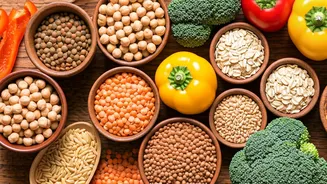
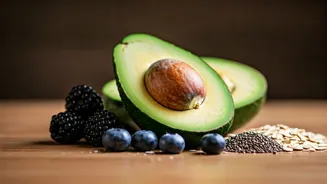
Soluble fiber, found in foods like oats, apples, pears, and pulses, dissolves in water to create a gel-like consistency. This gel slows down digestion, softens stools, and makes them easier to pass, offering a gentle approach to constipation relief. It also acts as a prebiotic, nourishing beneficial gut bacteria, which contributes to overall gut health and regularity. Incorporating dishes like oatmeal, lentil soups, or fruit-based smoothies can effectively increase your soluble fiber intake. The presence of soluble fiber is vital for maintaining a comfortable and smooth digestive process, preventing discomfort and promoting a lighter feeling.
Insoluble Fiber: The Intestinal Broom
In contrast, insoluble fiber, abundant in whole grains, vegetables with their skins, and legumes like rajma and chole, acts as a 'broom' for your intestines. It doesn't dissolve in water but adds bulk to your stool, accelerating its passage through the digestive tract and stimulating bowel movements. This type of fiber is essential for preventing constipation by ensuring regular and complete evacuation. Simple Indian preparations such as whole wheat rotis, vegetable sabzis with skins, and rajma or chole curries are excellent sources. Maximizing insoluble fiber intake is key to ensuring efficiency and regularity in your digestive system.
Hydration: Fiber's Essential Partner
Adequate water intake is not just beneficial but absolutely critical for fiber to function correctly. Without sufficient hydration, increasing fiber consumption can paradoxically worsen constipation. Soluble fiber needs water to form its gel, and insufficient water can lead to a thick, slow-moving mass. Insoluble fiber requires liquid to help it slide through the intestines; without it, it can become hard and difficult to pass. To prevent a 'fiber clog,' it's recommended to drink a glass of water with each high-fiber meal and gradually increase intake. Warm water, especially in the morning, can also help stimulate digestion.
Breakfast Boosters: Oats & Dalia
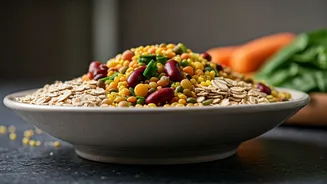
Starting your day with high-fiber options sets a positive tone for digestion. Oats, whether as upma or khichdi, offer a significant amount of soluble and insoluble fiber. Adding vegetables like carrots and peas to oats upma further enhances its insoluble fiber content. Similarly, Dalia (broken wheat) is an exceptional source of insoluble fiber. A Dalia and vegetable khichdi, prepared with moong dal and mixed vegetables, provides substantial fiber and nutrients, making it a filling and digestive-friendly breakfast. These grains are excellent for batch cooking, ensuring a quick and healthy start to your day.
Legume Powerhouses: Rajma & Chole
Legumes like kidney beans (rajma) and chickpeas (chole) are stellar sources of both soluble and insoluble fiber, making them champions for constipation relief. Whether prepared as a hearty curry (Punjabi Chole Masala or Rajma Masala) or incorporated into wraps, these dishes provide essential fiber and protein. Consuming rajma or chole 4-5 times a week can significantly improve digestive regularity. It's advisable to soak these legumes overnight before cooking to aid digestion and minimize potential gas or bloating, especially when first increasing your intake.
Vegetable Delights: Spinach & Doodhi
Leafy greens and certain vegetables are vital for a fiber-rich diet. Spinach, for instance, is packed with both soluble and insoluble fiber. A low-calorie spinach soup, made with low-fat milk, is not only easy to digest but also promotes gut health and regular bowel movements due to its fiber content and hydrating properties. Doodhi (bottle gourd) is another high-fiber vegetable that can be consumed as a juice or sabzi, effectively aiding digestion and treating constipation. Including a variety of vegetables ensures a broad spectrum of nutrients and fiber types.
Grain Alternatives: Moong Dal Cheela
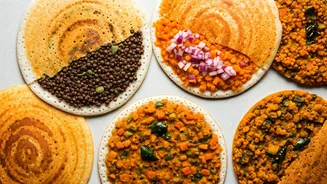
Moong Dal Cheela, made from a batter of soaked moong dal (or besan) mixed with grated vegetables like zucchini, carrots, and spinach, is a fantastic high-fiber breakfast or snack. This dish combines the fiber from the lentils and vegetables, offering a delicious way to boost your daily intake. The cheelas can be further enhanced by stuffing them with additional grated veggies for an extra fiber punch. They require minimal preparation time and are a great alternative to heavier breakfast options, providing sustained energy and supporting digestive health.
Fruitful Choices: Papaya & Apples
Certain fruits are particularly effective for constipation relief due to their fiber content and digestive enzymes. Papaya, for example, is rich in fiber and contains papain, an enzyme that aids digestion, making it a top choice for immediate relief. Apples, especially with their skin on, are another excellent source of fiber. Combining these with other fiber-rich fruits like pears, guava, and bananas in smoothies or salads can significantly contribute to your daily fiber goals. These fruits are not only nutritious but also add natural sweetness to your meals.
Snacks & Supplements: Seeds & Isabgol
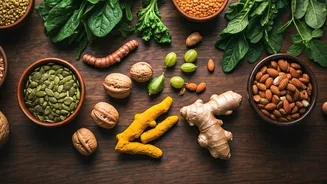
Incorporating seeds and mindful use of supplements can complement a high-fiber diet. Nuts and seeds like almonds, walnuts, chia seeds, and flaxseeds are rich in fiber and healthy fats, making them excellent additions to breakfasts or snacks. For occasional relief, isabgol (psyllium husk) is a helpful short-term supplement that provides soluble fiber. However, it's best used as a supplement rather than a replacement for whole foods, which offer a wider array of nutrients and prebiotics for long-term gut health. Remember to always consume isabgol with ample water.