




Seeds of Health
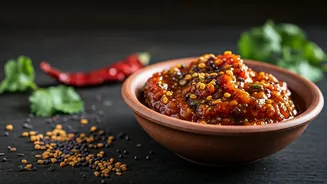
Beyond its role as a simple condiment, chutney is a culinary art form in India, capable of incorporating a wide array of ingredients, including beneficial
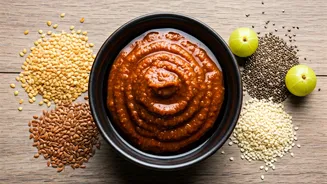
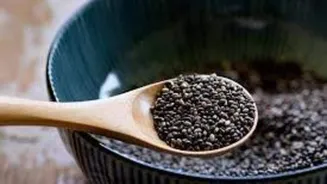
seeds. This particular recipe, shared by Mumbai-based chef Keertida, focuses on a quartet of seeds—black and white sesame, niger, and flaxseeds—each contributing unique health advantages. Sesame seeds, in their dual-colored forms, are powerhouse sources of protein, essential fats, calcium, iron, and dietary fiber, all crucial for maintaining robust bone health, ensuring smooth digestion, and promoting balanced cholesterol levels. Black sesame seeds are particularly lauded for their antioxidant properties, which are often associated with enhanced hair and skin vitality, and effective blood pressure regulation. Niger seeds, a staple in traditional Indian cuisine, provide an abundance of healthy fats, including Omega-3 and linoleic acid, beneficial for cardiovascular well-being and reducing inflammation, while their fiber content aids in digestive regularity. Flaxseeds are renowned for their rich fiber and plant-based Omega-3 fatty acids, contributing to improved digestion, lowered cholesterol, a healthier heart, and stabilized blood sugar. To maximize the absorption of these nutrients and ease digestion, it's recommended to consume these seeds in smaller, ground, or crushed portions, ideally after soaking or cooking.
Crafting Your Chutney
Embark on the delightful process of creating your own four-seed chutney, a versatile accompaniment to various dishes. The recipe begins with the meticulous dry roasting of two tablespoons of flaxseed in a kadhai until they exhibit a gentle popping sensation, after which they are set aside in a separate bowl. The same kadhai is then employed to gently toast one tablespoon of black sesame seeds, two tablespoons of white sesame seeds, and an unspecified quantity of niger seeds over a low flame until they, too, begin to pop. These seeds are then combined with the roasted flaxseeds. Next, three tablespoons of dry coconut (khobra) are warmed in the kadhai until a pleasant light brown hue develops before being added to the seed mixture. The process continues by heating two teaspoons of groundnut oil in the now-familiar kadhai, introducing twelve to fourteen fenugreek seeds, a pinch of asafoetida, and two teaspoons of coriander seeds. Following this, three to five red chillies are added, their quantity adjustable based on personal spice preference. A cup of packed curry leaves, thoroughly washed and dried, is then sautéed until they become crisp and crackly. Once cooled, the seed and coconut mixture is coarsely powdered. Concurrently, the roasted spices, crisp curry leaves, salt to taste, and aamchoor powder are finely powdered. A touch of sugar can be incorporated for flavor balance. For those who prefer it, three to four cloves of garlic can be added; however, if garlic is used, the asafoetida and sugar are omitted. Finally, the powdered seeds and the curry leaf-spice mix are combined, thoroughly blended, and tasted to adjust seasoning, amchoor, sugar, and chilli powder as needed. This flavorful chutney can be stored in an airtight container for up to three weeks.