





The Power of Homemade Jam
Creating jam in your own kitchen offers a fantastic way to control the sugar content, which is often a hidden culprit in processed foods and can negatively
impact your gut health. While homemade versions, especially chia seed jams, are already a step up due to their natural thickening agents and inherent fiber content, there's always room for improvement. This article delves into how simple adjustments can amplify the beneficial effects of your jam, transforming it into a potent tool for nurturing your digestive system and overall well-being. The focus is on making informed ingredient choices that go beyond basic sweetness and texture, directly contributing to a thriving gut environment. We'll explore how to harness the synergy between fruits, seeds, and natural fibers to create a truly supercharged spread.
Seed Swap for Fiber
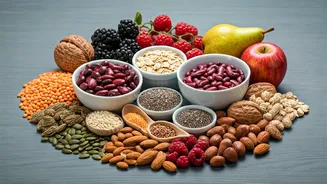
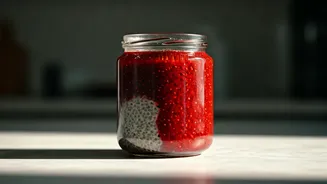
A key recommendation for boosting the gut-health potential of your jam involves a simple seed substitution. While chia seeds are lauded for their fiber and omega-3s, basil seeds present an even more compelling case for gut nourishment. Dr. Karan Rajan, a UK surgeon, suggests swapping chia seeds for basil seeds primarily due to their superior soluble fiber content. This type of fiber is readily fermented by the beneficial bacteria residing in your gut, producing vital short-chain fatty acids. These fatty acids are crucial for fueling your gut lining and possess anti-inflammatory properties, offering a direct benefit to your microbiome. In contrast, chia seeds are richer in insoluble fiber, which contributes to digestive regularity but plays a lesser role in feeding your beneficial gut microbes. Basil seeds boast a more balanced 50/50 ratio of soluble to insoluble fiber, leading to enhanced fermentation and a more supportive environment for your gut flora. Furthermore, basil seeds create a less gelatinous texture compared to chia seeds, resulting in a more pleasing consistency for your jam, and they actually pack more fiber, with two tablespoons providing around 14 grams compared to chia seeds' 10 grams.
Berry Blend for Diversity
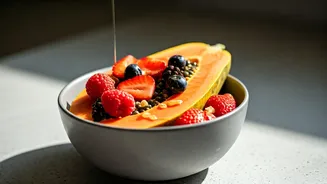
Another impactful upgrade to your strawberry chia seed jam centers on diversifying the fruit base. Instead of relying solely on strawberries, incorporating a mix of berries introduces a broader spectrum of polyphenols. These plant compounds are not only potent antioxidants but also serve as vital food sources for different strains of gut bacteria. Different berries contain unique polyphenols: blueberries are rich in anthocyanins, raspberries offer ellagitannins, and blackberries provide quercetin. When these polyphenols are consumed, various gut bacteria metabolize them into a diverse array of beneficial bioactive compounds. This metabolic activity directly fosters greater microbial diversity within your gut ecosystem, which is a cornerstone of robust gut health. A more diverse microbiome is better equipped to perform its many functions, from nutrient absorption to immune system support. Furthermore, using frozen berries is often recommended because they are typically harvested at their peak ripeness and flash-frozen, a process that effectively preserves their valuable polyphenol content. Unlike fresh berries, which may experience nutrient degradation during prolonged storage and transportation, frozen berries retain a higher concentration of these beneficial compounds, ensuring your jam delivers maximum nutritional impact for your gut.