






Iconic Eatery Shuts Down
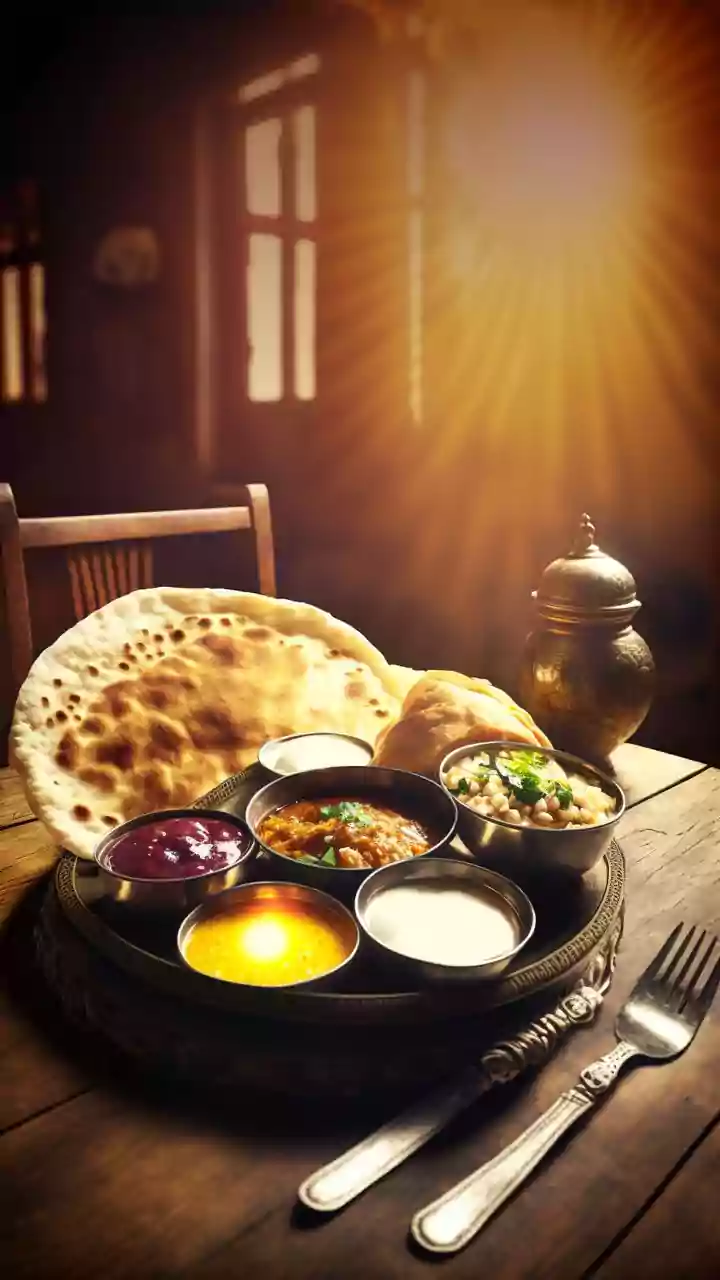
A long-standing Delhi favorite, celebrated for its delectable chhole bhature, has been forced to temporarily cease operations across all its branches.
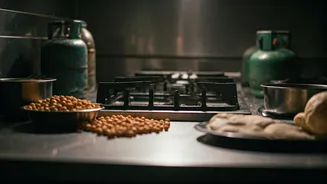
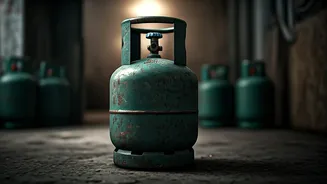
The primary reason behind this unprecedented closure is a severe shortage of commercial LPG cylinders, a vital fuel for their daily cooking. This disruption, stemming from broader geopolitical events in West Asia, has significantly impacted the city's vibrant food landscape, affecting numerous well-known restaurants and smaller food vendors alike. For this 75-year-old establishment, founded in 1950 by a refugee who initially used coal and kerosene, this marks only the second closure in its storied history, the first being during the challenging COVID-19 lockdown period. The lack of a piped natural gas connection, coupled with the inability to procure essential LPG cylinders, presents the most significant operational hurdle for this family-run business, leaving its loyal patrons longing for their favorite dish.
Survival Amidst Price Hikes
While some established food businesses have had to suspend operations, others are battling to stay afloat by absorbing significant financial strain. One such eatery, which continues to serve its popular chhole bhature, has resorted to purchasing commercial LPG cylinders at vastly inflated prices. What once cost approximately Rs 1,000 per cylinder has now escalated to a staggering Rs 3,000 to Rs 4,000. To mitigate these soaring expenses, the owner has implemented a price increase, raising the cost of a plate of chhole bhature from Rs 100 to Rs 120. This adjustment, the owner explained, was a necessary measure to ensure the continuation of the business, cover staff salaries, and manage essential household expenditures, highlighting the precarious situation many small businesses find themselves in.
Wider Impact Felt
The repercussions of this fuel supply crisis extend beyond the capital city's borders. In nearby Ghaziabad, a community kitchen known for providing affordable meals at just Rs 10 has also been compelled to halt its services due to similar fuel unavailability. Across the region, numerous small eateries have explored alternative cooking methods, such as switching to wood and coal. However, many of these establishments lack the proper ventilation systems required for such fuel sources, leading to operational difficulties and safety concerns, forcing them to close their doors. The combined pressures of international tensions and domestic fuel shortages are placing considerable strain on the entire food industry in the Delhi-NCR area, affecting businesses of all sizes and raising concerns about the future affordability of street food.