




Besan Cheela's Power
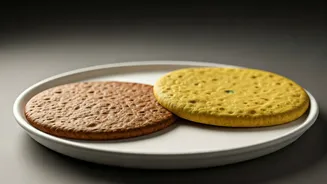
Besan cheela, crafted from gram flour derived from chickpeas, stands out for its impressive protein and dietary fibre content. This composition aids in maintaining
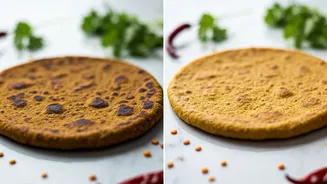
stable blood sugar levels, attributed to the low glycaemic index of chickpea flour. As a result, it provides sustained energy throughout the day and effectively curbs sudden hunger pangs, making it an excellent ally for individuals managing their food intake. Scientific studies, including those published in the Journal of Nutrition, highlight how a diet rich in protein and fibre enhances feelings of fullness and positively impacts weight management efforts. Furthermore, besan contains resistant starch, a beneficial component that supports a healthy gut microbiome and promotes a slower digestive process. When prepared with minimal oil and packed with vegetables like onions, spinach, or bottle gourd, besan cheela transforms into a nutrient-dense meal that ensures prolonged satiety without contributing excessive calories. Its ease of preparation, requiring no soaking or grinding, also contributes to consistency in dietary habits, a crucial, though often overlooked, factor in achieving long-term weight loss success.
Dal Cheela's Lightness
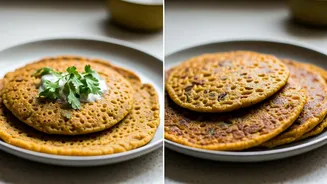
Dal cheela, typically prepared using soaked and ground lentils such as moong dal or a combination of various dals, offers a lighter alternative. Moong dal, in particular, is celebrated for being easy to digest and gentle on the stomach, making it an ideal choice for those with sensitive digestive systems or prone to bloating. This lentil-based preparation delivers essential protein without causing heaviness. Lentils are a rich source of both soluble fibre and plant-based protein. Research indicates that incorporating pulses regularly into a calorie-controlled diet can contribute to a reduction in overall body weight and waist circumference. Dal cheela generally contains fewer fats and calories compared to its besan counterpart, especially when prepared with little to no added oil, positioning it as a favourable option for those seeking a lighter meal. However, due to its softer texture and potentially lower fibre content relative to besan cheela, it might not provide the same prolonged feeling of fullness, particularly if consumed as a standalone dish without accompanying vegetables or other protein-rich additions.
Choosing Your Champion
Both besan cheela and dal cheela can seamlessly integrate into a weight loss regimen, though they cater to slightly different needs. Besan cheela holds an advantage in promoting satiety due to its superior fibre content and slower digestion rate. This makes it particularly beneficial for individuals who tend to snack frequently between meals or struggle with significant time gaps between eating occasions. Conversely, dal cheela is a better fit for those who prefer a meal that feels light, is easily digestible, and has a lower calorie count. It can serve as an excellent choice for evening meals or on days when physical activity is minimal, as it satisfies hunger without feeling heavy while still providing vital protein. For targeted weight loss, besan cheela might be the more advantageous option if the primary objective is to maintain fullness over extended periods and effectively manage food cravings throughout the day. Dal cheela, on the other hand, is well-suited for individuals desiring a lighter, protein-rich meal that is gentle on their digestive system. When consumed with mindful attention to portion sizes and ingredients, both versions can effectively support a journey towards healthy and sustainable weight reduction.