





Testing Lunar Resilience
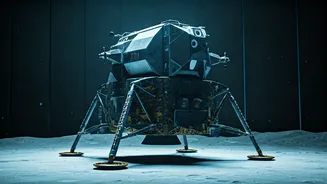
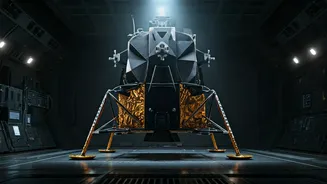
Blue Origin has achieved a pivotal moment in its lunar exploration journey with the successful completion of extensive environmental trials for its uncrewed
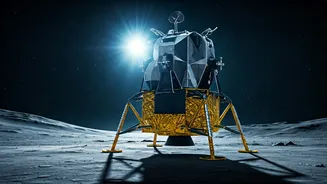
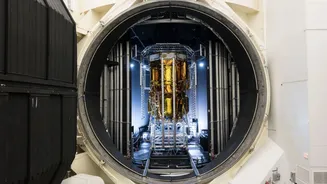
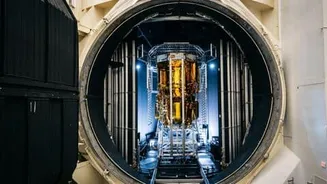
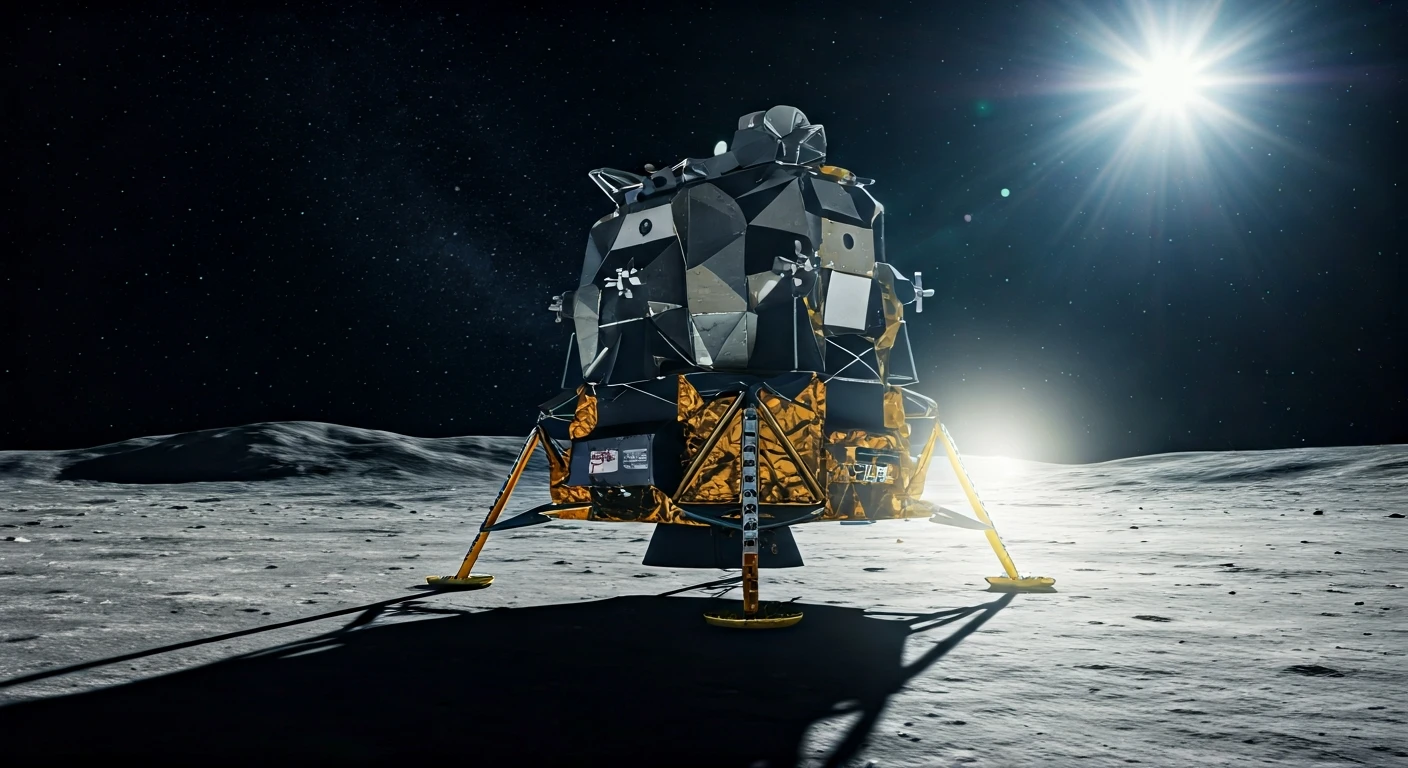
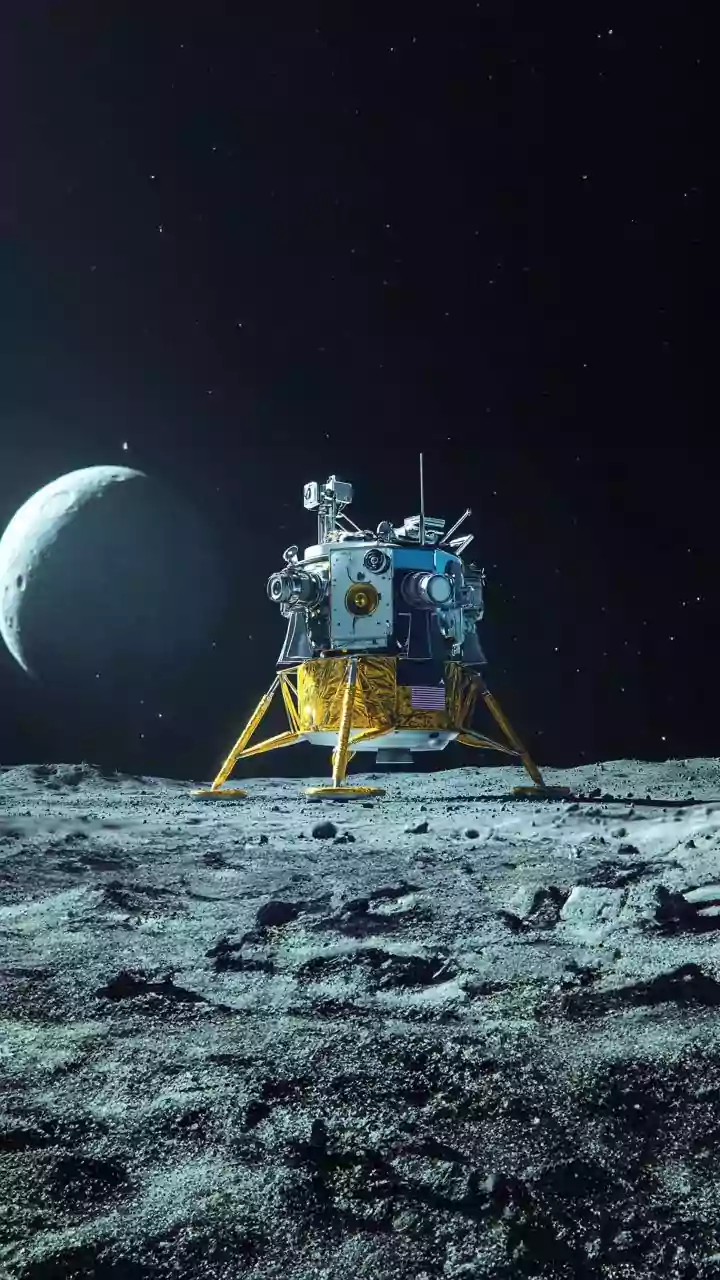
spacecraft, the Blue Moon Mark 1, affectionately known as 'Endurance'. These critical tests were conducted within the specialized confines of NASA's Johnson Space Center's Thermal Vacuum Chamber A, one of the world's largest facilities of its kind. The primary objective was to meticulously replicate the extreme conditions of outer space, including the profound cold and near-vacuum environment, to verify the lander's structural integrity and operational effectiveness. By subjecting 'Endurance' to these simulated cosmic challenges, engineers aimed to confirm that its various systems, from its thermal regulation mechanisms to its core performance capabilities, are robust enough to withstand the journey to and operations on the Moon. This collaborative effort between NASA and Blue Origin, formalized through a Space Act Agreement, is fundamental to validating the hardware before it embarks on its actual lunar voyage.
Purpose of 'Endurance'
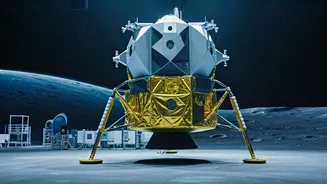
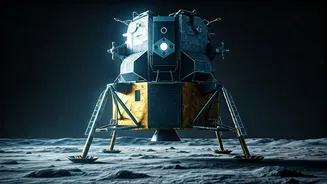
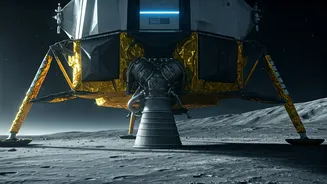
The Blue Moon Mark 1, or 'Endurance', is a vital component of the broader Artemis program, specifically designed to function as an uncrewed cargo delivery system to the lunar surface. Its mission is not to carry astronauts but to transport essential supplies and equipment, thereby demonstrating key technologies required for future lunar operations. Among its primary objectives are showcasing advanced landing techniques with pinpoint accuracy, effectively utilizing cryogenic propellant systems for propulsion, and autonomously managing guidance, navigation, and control functions. The planned landing site for 'Endurance' is the Moon's south pole, a region of significant scientific interest due to the potential presence of water ice, which could be a critical resource for future human bases. Beyond its own experimental payloads, 'Endurance' will also carry scientific instruments, such as the Stereo Cameras for Lunar Plume-Surface Studies, designed to capture the interaction between its descent engine's exhaust and the lunar surface, and a Laser Retroreflective Array for precise measurements.
Foundation for Human Landings
While the Blue Moon Mark 1 ('Endurance') is dedicated to cargo, its role extends far beyond mere payload delivery; it serves as a crucial precursor for future crewed missions. The technologies and operational insights gleaned from 'Endurance' will directly inform the development of Blue Origin's next-generation lander, the Mark 2 (MK2). This subsequent spacecraft is being engineered with the capacity to transport astronauts, facilitating transit between lunar orbit and the surface. The rigorous testing and operational data gathered from 'Endurance' are invaluable for enhancing the safety, reliability, and overall planning of human expeditions to the Moon. By refining these critical systems and processes with an uncrewed mission, the groundwork is being laid for a more secure and efficient human presence on the lunar landscape.
Accelerating Lunar Presence
The strategic partnership between NASA and private space entities like Blue Origin, facilitated through agreements like the Space Act Agreement, is designed to accelerate progress in space exploration without compromising safety standards. By leveraging NASA's extensive resources and expertise, companies can expedite their development timelines. The successful completion of environmental testing for the Blue Moon Mark 1 ('Endurance') signifies a tangible step forward, transforming the concept into a functional spacecraft ready for its lunar debut. This progression is a critical element in the overarching objective of establishing a sustained human presence on the Moon, a goal central to the Artemis program's long-term vision.