







AI-Driven Biotech Leap
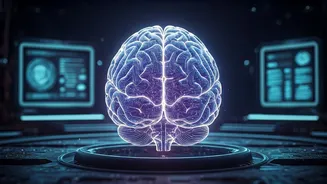
The field of biotechnology is on the cusp of a significant revival, largely propelled by advancements in artificial intelligence. According to insights
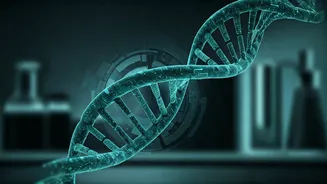
shared by Anthropic CEO Dario Amodei, AI's evolving capabilities are set to dramatically speed up the discovery and development of new medical treatments. This resurgence, or 'renaissance,' in biotech is expected to manifest through AI-assisted design processes that can expedite progress in areas like peptide-based drugs and sophisticated cell therapies, such as CAR-T. Amodei emphasizes that machine learning technologies are already enabling the optimization of biological systems to an unprecedented degree, a feat that was previously beyond our reach. This synergy between AI and biology promises to unlock faster routes to critical medical breakthroughs, potentially leading to cures for numerous diseases in the coming years.
The Shifting Data Paradigm
A fundamental shift is occurring in how artificial intelligence models are trained and how they gain an advantage. Dario Amodei highlights that the traditional reliance on vast, pre-existing datasets might be evolving. He points to the growing importance of reinforcement learning and the generation of synthetic data. In essence, when AI systems are trained in environments like those for mathematics or coding, they aren't just consuming existing information; they are actively creating and refining their own data through iterative processes. This 'dynamic data' that the model generates itself is becoming increasingly crucial for its evolution. While real-world data will continue to hold significant value, particularly for applications like language models and enterprise solutions, the future trajectory of AI development may lean more heavily on these simulation-based learning environments than on static data repositories.
Navigating Usability & Infrastructure
As artificial intelligence becomes more pervasive and accessible to a broader audience beyond technical experts, a noticeable 'usability gap' emerges. Amodei likens the process of interacting with AI, often through techniques like prompt engineering, to acquiring a new skill, such as learning a musical instrument. The learning curve is steep, and proficiency is largely achieved through hands-on practice and experience. Beyond user adoption, the expansion of AI infrastructure also brings its own set of challenges and considerations. Amodei notes that global regulatory landscapes, influenced by policies like Europe's data localization requirements, could lead to the development of more region-specific AI architectures. This might necessitate distributed data centers designed to comply with diverse compliance demands, underscoring the intricate interplay between technological advancement and regulatory frameworks.
Responsible Innovation Ahead
Despite the immense optimism surrounding the convergence of AI and biotechnology, a note of caution is essential. Amodei stresses the critical need for responsible development and robust governance as these powerful technologies advance. While the instinct is that we are on the verge of curing many diseases, ensuring that this progress is guided by ethical principles and thoughtful oversight is paramount. The fusion of AI and biology is poised to define the next decade, potentially ushering in an era of 'programmable biology'—a frontier brimming with innovation. However, realizing this potential fully and safely requires a commitment to foresight, proactive regulation, and a deep consideration of the societal implications of such transformative advancements.