







What is Soluble Fibre?
Soluble fibre is a type of dietary fibre that possesses the unique ability to dissolve in water, transforming into a gel-like substance within your digestive
tract. This characteristic property is key to its numerous health benefits. Unlike its insoluble counterpart, which primarily adds bulk and facilitates faster movement through the digestive system, soluble fibre works by slowing down the digestive process. This deliberate deceleration aids in the gradual absorption of sugars and helps in trapping cholesterol, thereby contributing to better metabolic health and a more balanced gut environment. Its gel-forming nature is fundamental to how it interacts with food and nutrients, playing a crucial role in nutrient absorption and overall digestive well-being.
Key Benefits Explained
The advantages of incorporating soluble fibre into your diet are extensive and impactful. Foremost among these is its significant role in cardiovascular health; it actively works to lower harmful LDL cholesterol levels, a major risk factor for heart disease. Furthermore, soluble fibre is a champion for blood sugar management, particularly beneficial for individuals managing or seeking to prevent diabetes. By moderating the rate at which sugar enters the bloodstream, it helps prevent sharp spikes and subsequent crashes, ensuring more sustained energy levels. For those pursuing weight management goals, the gel-like consistency of soluble fibre promotes a prolonged feeling of fullness, which naturally curbs appetite and reduces overall calorie intake. Beyond these, it significantly enhances digestive function, offering relief for both constipation and diarrhoea by regulating bowel movements, ultimately contributing to a healthier, more robust gut.
Diabetes & Blood Sugar
Soluble fibre plays a pivotal role in the effective management of diabetes and blood sugar levels. Its ability to form a gel in the digestive system significantly slows down the absorption of glucose into the bloodstream following a meal. This gradual release prevents the sharp, unhealthy spikes in blood sugar that can be detrimental to individuals with diabetes. Consequently, it contributes to more stable glucose readings and improved insulin sensitivity over time. Foods rich in soluble fibre, such as oats, barley, and various types of beans, are excellent choices for providing sustained energy release and promoting better overall glucose control. Integrating these into regular meals can be a powerful strategy for maintaining metabolic balance and reducing the long-term risks associated with uncontrolled blood sugar.
Weight Loss Aid
The impact of soluble fibre on weight loss is substantial and largely attributed to its satiating properties. When consumed, soluble fibre absorbs water and expands, creating a gel that delays the emptying of the stomach. This prolonged gastric residence time translates into a feeling of fullness that lasts for an extended period, effectively reducing the urge to snack between meals and lowering overall calorie consumption. By helping individuals feel satisfied for longer, soluble fibre makes it easier to adhere to a calorie-controlled diet without experiencing persistent hunger or cravings. This makes everyday meals feel more substantial and less likely to lead to overeating, transforming them into effective tools for managing weight in a sustainable and enjoyable manner.
Top Indian Fibre Foods
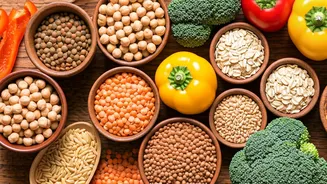
India's rich culinary landscape offers a treasure trove of foods naturally abundant in soluble fibre, making it effortless to meet daily requirements. Everyday staples like oats and barley (jau) are excellent sources, easily incorporated into breakfast and main meals. Legumes such as rajma (kidney beans) and chawli (black-eyed peas) are nutritional powerhouses. Many common fruits, including apples, pears, and bananas, as well as sweet oranges, contribute significantly. Vegetables like carrots and broccoli are also good choices. Lentils, particularly moong dal, are a staple that provides ample soluble fibre. Additionally, seeds like flaxseed and pumpkin seeds are fantastic additions, offering a concentrated dose of this beneficial nutrient, all of which seamlessly integrate into traditional Indian cooking.
Recipe Collection Highlights
This collection boasts over 57 delectable Indian vegetarian recipes specifically designed to be rich in soluble fibre, ensuring both taste and health benefits. You'll find innovative yet familiar dishes like Oats Upma, a flavourful start to the day, and Oats Khichdi, a comforting and wholesome meal. Barley makes a star appearance in Barley Idli and Barley Khichdi, offering a unique texture and nutritional boost. Classic favourites like Rajma Curry are given a soluble fibre makeover. Even desserts aren't left out, with options like Dates and Oats Kheer and Apple Cinnamon Oatmeal providing a healthy sweet treat. These recipes are crafted to be easy, satisfying, and perfect for daily consumption.
Daily Meal Suitability
The recipes in this collection are thoughtfully curated to be perfectly suited for everyday Indian meals, breaking the myth that healthy eating requires drastic dietary changes. They are designed using common, readily available ingredients and offer delightful twists on traditional dishes like upma, idli, khichdi, and dosa, making them easy to prepare and incorporate into your weekly meal plan. Whether you're looking for a nutritious breakfast, a satisfying lunch, a wholesome dinner, or even a healthy snack, these recipes cater to all meal occasions. They are particularly beneficial for individuals managing conditions such as diabetes, high cholesterol, or aiming for better heart health, proving that healthy eating can be both practical and delicious.
Daily Intake Goals
To reap the full benefits of soluble fibre, aiming for a daily intake of 5 to 10 grams is recommended, as part of a total dietary fibre intake that typically ranges from 25 to 38 grams per day, depending on individual age and gender. It's advisable to gradually increase your consumption of soluble fibre-rich whole foods to allow your digestive system to adapt, thereby preventing potential discomfort like bloating. Ensuring you drink plenty of water alongside these fibre-rich foods is crucial, as water aids in the proper functioning of fibre within the digestive tract, enhancing its effectiveness and promoting optimal gut health. This gradual approach ensures a smooth transition to a fibre-rich diet.