






A Personal Revelation
Renowned Bollywood actor Varun Dhawan recently opened up about a deeply personal journey involving his daughter, Lara, who was diagnosed with Developmental
Dysplasia of the Hip (DDH) at 1.5 years old. This revelation, shared on the 'Be A Man, Yaar!' podcast, brought much-needed attention to this often-overlooked condition. Dhawan explained that DDH is a condition where the hip joint doesn't form correctly, causing the ball of the thigh bone to slip out of its socket. He highlighted the significant impact this can have on a child's mobility, leading to one leg becoming noticeably shorter, making activities like walking and running considerably difficult. Furthermore, he warned about potential long-term health issues such as early-onset arthritis or slipped discs if left unaddressed. His experience underscores the critical need for greater awareness and early detection of DDH, especially within India, where diagnostic practices might differ from Western countries, though he also acknowledged the presence of excellent medical professionals capable of managing the condition.
Understanding DDH Explained
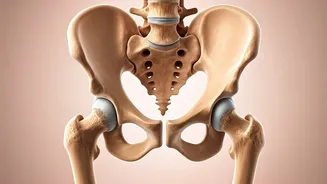
Developmental Dysplasia of the Hip (DDH) is a condition affecting the hip joint's development in infants. In a healthy hip, the rounded head of the femur (thigh bone) fits snugly into the acetabulum, a cup-shaped socket in the pelvis. However, with DDH, this fit can be loose, unstable, or the ball can be completely dislocated from the socket. This condition can manifest before birth or during the initial months of a baby's life, with varying degrees of severity. If not addressed promptly, DDH can lead to a cascade of lifelong problems, including persistent pain, significant challenges with ambulation, and premature development of arthritis. A key characteristic of DDH is its often subtle presentation; many affected infants display no apparent signs of discomfort, which can inadvertently delay diagnosis. Initial indicators might include asymmetrical skin creases on the thighs, a perceived difference in leg length, limited range of motion in the hip, or an audible 'clicking' sensation when a baby's legs are moved. As the child matures, these signs can evolve into delayed motor milestones, a noticeable limp, or an atypical gait.
Early Detection is Key
Pediatric medical experts universally stress that the successful treatment of DDH is most effective when diagnosed during infancy. In these early stages, interventions are typically straightforward and non-invasive. A common and highly effective treatment involves the use of specialized harnesses, such as the Pavlik harness, which gently guides the hip joint into its correct alignment, allowing it to develop properly as the infant grows. This method leverages the natural flexibility and developmental plasticity of a baby's musculoskeletal system. Conversely, when a diagnosis is delayed, the treatment pathway can become significantly more complicated, potentially necessitating surgical procedures to reposition and stabilize the hip joint. The disparity in outcomes between early and late detection highlights the profound impact that timely medical attention can have on a child's long-term hip health and overall mobility. Varun Dhawan's decision to share his family's story serves as a crucial reminder that not all pediatric health concerns are immediately apparent, and consistent vigilance from parents is vital for ensuring the best possible developmental outcomes.