


Vitamin A's Follicle Power
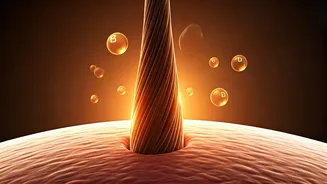
Vitamin A is foundational for cellular development, including the rapid growth of hair cells. Its crucial function involves stimulating the scalp to produce
sebum, the body's natural oil that keeps hair strands moisturized. This natural lubrication is vital for preventing dryness and minimizing breakage, ensuring your hair remains resilient. Furthermore, Vitamin A plays a significant role in the development of hair follicles and promotes overall cell growth, which can help curb hair loss. To incorporate more Vitamin A, focus on dietary sources like carrots, pumpkins, kale, and spinach, but remember that moderation is key, as excessive intake can sometimes yield adverse effects.
The B Vitamin Complex
The Vitamin B complex is indispensable for delivering vital nutrients and oxygen to all cells, and within this group, biotin stands out for its significant contribution to hair structure. Biotin is instrumental in supporting the production of keratin, a primary protein component of hair, thereby enhancing its strength and reducing instances of shedding. Beyond biotin, other B vitamins offer distinct benefits: Niacin (Vitamin B3) enhances blood circulation within the scalp, promoting a healthier environment for hair growth, while Pantothenic acid (Vitamin B5) aids in optimizing the function of hair follicles. You can readily include these beneficial vitamins in your diet through foods such as eggs, various nuts and seeds, bananas, and avocados.
Vitamin C for Protection
Often associated with skin health, Vitamin C is a potent antioxidant that offers substantial benefits for hair as well. It acts as a shield for hair follicles, protecting them from damage inflicted by free radicals – unstable molecules that can weaken hair and accelerate premature aging. By neutralizing these harmful compounds, Vitamin C helps preserve the integrity of your hair. Moreover, it's essential for the synthesis of collagen, a structural protein that forms the very foundation of hair strength. To boost your Vitamin C intake, incorporate citrus fruits, strawberries, kiwis, bell peppers, and broccoli into your meals.
Vitamin D's Role
A notable link has been observed between insufficient Vitamin D levels and issues like hair thinning and excessive shedding. This vitamin is critical for maintaining the health of hair follicles and plays a key part in regulating the hair growth cycle. Ensuring adequate Vitamin D can help mitigate hair thinning often associated with a deficiency. While sunlight exposure is a primary source, you can also increase your intake through fortified plant-based milks, fatty fish varieties such as sardines and salmon, or consider supplements if your levels are consistently low, after consulting a healthcare professional.
Vitamin E's Scalp Benefits
Vitamin E functions as another important antioxidant, contributing to a healthy scalp environment which is paramount for robust hair growth. It significantly improves blood circulation to the scalp, a factor that directly benefits hair follicle function. Enhanced blood flow ensures that follicles receive the necessary nutrients and oxygen to promote healthy growth and maintain their structural integrity. Additionally, Vitamin E helps safeguard your hair from the damaging effects of oxidative stress. Excellent dietary sources include almonds, sunflower seeds, spinach, avocados, and wheat germ.