



A Name's Origin
Turkipathiri is a captivating example of how culinary traditions absorb elements from afar, with its name originating not from direct culinary exchange
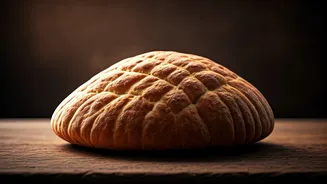
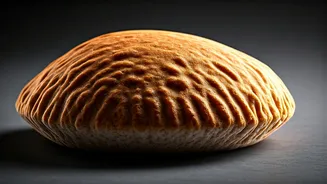
but from a visual resemblance. The moniker 'Turkish cap' was bestowed upon this Malabar rice flour creation due to its pleated, gathered edges, which strikingly evoked the appearance of a traditional Turkish cap. This phenomenon highlights how local imagination and observations of the wider world, even through intermediaries like trade and stories, can shape the nomenclature of food. The curious query about a Kerala dish having a Turkish name is answered by a simple, human observation: someone saw a likeness to a cap, and the name stuck, becoming a point of interest for food enthusiasts across India.
Malabar's Culinary Tapestry
The Malabar coast, now part of modern-day Kerala, boasts a rich history as a vibrant hub for global trade spanning over two millennia. This legacy has profoundly influenced its unique cuisine, blending indigenous ingredients with influences from various cultures. From Roman traders seeking pepper in the first century to Arab merchants establishing connections by the 7th century CE, and later the arrival of Portuguese, Dutch, and British colonial powers, the region has been a melting pot of goods, ideas, and people. The Mappila community, comprising descendants of Arab traders, further enriched this culinary landscape by integrating Arab, Persian, and broader Islamic flavors into traditional Kerala dishes. This historical backdrop is crucial to understanding how names and culinary inspirations from distant lands, like the Ottoman Empire's Turkey, found their way into local food traditions.
The Cap Connection
The name 'Turkipathiri' is intrinsically linked to the 'Turkish cap,' a soft, round, white headwear commonly associated with Turkey and the Ottoman Empire. This cap, a symbol of distant lands, made its impression on the Malabar coast through trade and the stories that accompanied it. When local cooks in Malabar began crafting stuffed pathiri, a popular rice flour flatbread, they noticed that the way they gathered and pleated the dough's edges bore a striking resemblance to this distinctive cap. The rounded, gathered top of the stuffed pathiri mirrored the shape of the Turkish cap. This visual correlation led to the dish being christened 'Turkipathiri,' meaning 'Turkish cap pathiri.' This naming convention is consistent with Malabar traditions, where foods are often named based on their appearance or association with familiar objects or concepts, underscoring that Turkipathiri is a product of local ingenuity, not foreign import.
Crafting Turkipathiri
Turkipathiri is a distinctively prepared Malabar rice flour dish, typically originating from Thalassery, which is pan-fried to a golden crispness. Its preparation involves a layered approach using a dough similar to Ari Pathiri, made from unleavened rice flour. The foundational element is a larger rice flour disc, which cradles a savory filling. This filling is a rich blend of minced or finely chopped cooked meat, sautéed with onions, ginger-garlic paste, green chilies, and a medley of Malabar spices, including black pepper, red chili powder, turmeric, and garam masala, all brought together with scrambled eggs and fragrant curry leaves. A smaller, pre-fried rice flour disc is then placed atop the filling. The distinguishing feature of Turkipathiri is the meticulous pleating of the outer dough's edges around the filling, creating a compact, slightly domed shape. This careful sealing ensures the filling remains encased during the slow, low-flame pan-frying process, resulting in a creation that is both soft on the inside and satisfyingly crisp on the exterior.
Pathiri's Diverse Family
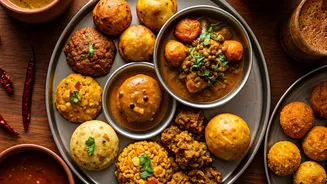
Malabar's culinary heritage boasts an impressive array of over forty types of pathiri, showcasing the versatility of this humble rice flour flatbread. The most common is the Ari Pathiri, a soft, slightly chewy staple often served with curries. A more elaborate version is Chatti Pathiri, which resembles a savory layered pastry akin to lasagne, with egg-dipped pancakes interspersed with meat and egg fillings, baked in a clay pot. Irachi Pathiri offers a simpler meat-stuffed pathiri. Turkipathiri occupies a unique space within this family; it is more complex than Irachi Pathiri but less labor-intensive than Chatti Pathiri. It represents a dish that a skilled home cook might prepare for special occasions, esteemed guests, or simply to showcase culinary artistry. Its origin in Thalassery, a city renowned for its distinctive food culture, including the famous Thalassery biryani and the pioneering Mambally Bapu bakery, further solidifies Turkipathiri's place as a refined and cherished Malabar delicacy.