






The Foundation Plate
The fundamental principle of successful weight loss, as advocated by Ansh Tripathi, lies in how you construct your daily meals. It’s not about drastic
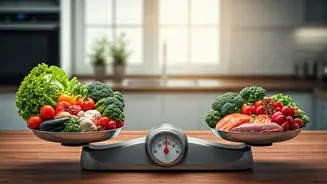
overhauls but mindful assembly. Tripathi emphasizes that a well-composed plate should implicitly guide you towards a calorie deficit without requiring constant number crunching. To achieve this, every meal must satisfy four critical questions: Is there a sufficient protein source? Are your vegetables adequately represented? Are carbohydrates controlled, or are they overpowering the meal? Crucially, is the amount of oil and fat kept in check? Overlooking even a single one of these elements can significantly impede your journey towards shedding excess weight. This holistic approach ensures that your dietary choices are inherently supportive of your fat-loss goals, making the process feel less like a chore and more like a natural evolution of your eating habits.
Universal Plate Ratio
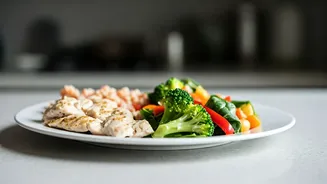
Achieving a calorie deficit effortlessly is possible by adhering to a universal plate ratio, a core recommendation from Ansh Tripathi. This simple yet effective guideline dictates that half of your plate should be dedicated to vegetables, providing volume and nutrients. Following this, a quarter of the plate should be filled with lean protein, essential for satiety and muscle maintenance. The remaining quarter is allocated to carbohydrates, ensuring you get energy without overconsumption. This precise division automatically manages your calorie intake, making it a straightforward method for anyone looking to lose weight without the complexities of tracking every single calorie. It's a visual cue that guides you towards healthier portions and nutrient density.
Protein: The Key
Protein is unequivocally the cornerstone of successful fat loss, according to fitness influencer Ansh Tripathi. It should be the primary consideration when planning your meals, not an afterthought. A deficiency in protein intake directly correlates with increased hunger pangs and persistent cravings, making it incredibly difficult to stick to a weight loss plan. Furthermore, insufficient protein consumption can lead to the loss of valuable muscle mass, which is counterproductive to a healthy metabolism and overall body composition. Prioritizing protein ensures you feel fuller for longer, supports muscle preservation, and acts as a crucial driver for achieving your fat-loss objectives, making it the most vital component of your dietary strategy.
Vegetables' Vital Role
Tripathi stresses that vegetables are far more than mere garnishes; they are foundational elements of a nutritious diet essential for weight management. To maximize their benefits, aim to include at least two distinct types of vegetables in every meal, whether they are cooked or enjoyed raw. This strategy not only enhances the visual appeal and flavor of your food but also significantly increases the volume of your meals without adding substantial calories. Their high fiber content aids digestion and promotes a feeling of fullness, effectively curbing overeating. By making vegetables a substantial part of your plate, you're actively contributing to a calorie deficit and improving your overall nutrient intake, a win-win for your health and weight loss goals.
Carbohydrate Control
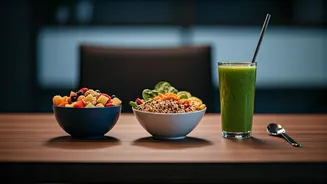
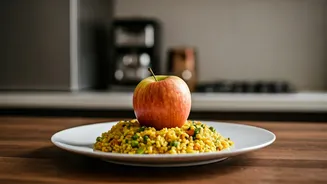
While carbohydrates are a vital source of energy, Ansh Tripathi advises a mindful approach to their consumption during weight loss. The key is to ensure they do not dominate your plate. A simple rule to follow is to select only one primary carbohydrate source per meal. This typically means opting for either a single roti or a cup of rice. For variety on alternate days, you can substitute these with dishes like poha or upma. This controlled inclusion prevents the excessive calorie intake often associated with overindulging in carbs, while still providing the necessary fuel for your body. It’s about balancing energy needs with fat-loss objectives.
Mindful Fat Usage
Many common Indian diets inadvertently falter due to an excessive reliance on fats and oils. Ansh Tripathi highlights this as a critical area for improvement in weight loss journeys. He recommends strictly limiting your oil consumption to a maximum of 2-3 teaspoons per meal. A crucial point to remember is to avoid 'double fats' – combinations like oil and ghee together, or using oil in dishes already rich with cream. It's a common misconception that healthy food must be bland; in reality, even nutritious meals can be calorie-dense if preparation methods involve too much added fat. Conscious control over cooking oils and fats is paramount for effective fat loss.
Tailored Indian Plates
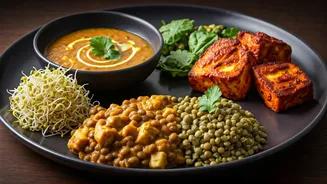
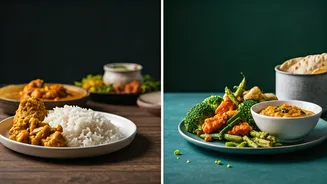
Adapting these principles to specific dietary needs, Tripathi offers guidance for both vegetarian and non-vegetarian Indian plates. For vegetarians aiming for fat loss, the ideal plate consists of half a portion of sabzi (vegetable curry), a small bowl of dal, paneer, or tofu, and a single roti or a small serving of rice. If a vegetarian diet feels challenging, it often signals insufficient protein intake. Non-vegetarians can structure their plates with chicken or fish as the main protein, complemented by a half-plate of vegetables. The carbohydrate portion should be comparatively smaller to maintain balance. Importantly, for non-vegetarians, portion control is essential for this approach to yield fat-loss results. These tailored plate compositions ensure nutritional balance and satiety.