




Weather Woes & Mango Dreams
India's beloved mango season is facing an unusual challenge this year due to the erratic rainfall patterns observed throughout March. This unpredictable
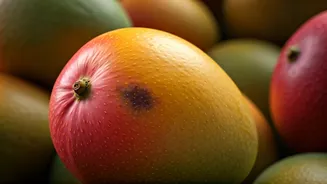
weather has had a significant impact on the mango crops, leading to premature fruit drop and increasing their susceptibility to fungal infections. While mango trees require adequate water during their early fruiting stages, the unexpected downpours during the critical flowering period have disrupted the essential pollination process. However, to ensure a bountiful yield and the opportunity to savor those sweet, orangish-yellow delights, it's crucial to adopt proper storage and ripening techniques for the mangoes that do mature.
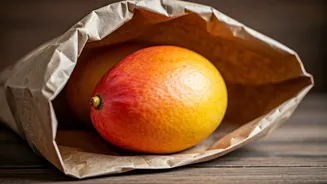
The Paper Bag Secret
The natural ripening process of mangoes involves the release of ethylene gas, a plant hormone that accelerates the transformation from firm and green to soft and sweet. In the heat and humidity, this gas can become trapped, especially in sealed containers, leading to excessive moisture buildup and the dreaded onset of mold. This is precisely where the wisdom of past generations shines. Paper bags offer an ingenious solution by creating a microenvironment that allows just enough ethylene gas to accumulate for even ripening, while simultaneously permitting sufficient air circulation. This balanced approach prevents the suffocating dampness that often plagues fruits stored in plastic, ensuring a cleaner and more controlled ripening experience.
Generations of Wisdom
This ingenious method of using paper for fruit preservation isn't a new fad; it's a cherished technique that has been passed down through families for centuries. Grandmothers and great-grandmothers would often receive large quantities of semi-ripened mangoes from their orchards. To ensure these fruits reached their peak of deliciousness without spoiling, they would meticulously wrap each one in newspaper. These wrapped mangoes were then carefully placed in large baskets, stored in dry, dimly lit areas, far from direct sunlight. This traditional practice, sometimes referred to as ‘paal ka aam,’ was their trusted way of achieving perfect ripeness, ensuring the sweet, succulent taste of the king of fruits without any unwanted spoilage.
Mastering the Technique
Applying this time-honored technique for your mangoes is straightforward and highly effective. For mangoes that are still green, place them individually or in small groups inside a paper bag. Loosely fold the top of the bag and store it at room temperature, away from direct sunlight. The paper will work its magic, promoting uniform ripening while preventing the soggy texture that can result from plastic wrapping. If you have mangoes that are already partially ripe, a similar approach with a loosely tied bag in a cooler corner of your kitchen will suffice, allowing for slower, gentler softening due to increased airflow. In humid conditions, consider lining the bag with a piece of tissue paper to absorb any excess moisture, which is particularly beneficial during muggy monsoons or intensely sweaty summers. For those who frequently purchase mangoes in bulk, this method is invaluable. Should you notice any mangoes becoming overly ripe, isolate them in their own individual paper bags to prevent their ethylene gas from accelerating the ripening of the rest of the batch, thereby keeping your entire collection in sync.
Key Storage Tips
To maximize the effectiveness of the paper bag ripening method, a few key practices should be observed. Crucially, avoid sealing the paper bags tightly; they need to allow for adequate air exchange so the fruits can 'breathe' properly. Cramming too many mangoes into a single bag can also hinder the process and lead to uneven ripening. It's also important to steer clear of storing the bags near heat sources like ovens, on sun-drenched windowsills, or in areas with greasy residues, as these can negatively impact the ripening environment. By adhering to these simple guidelines, you can significantly extend the period during which your mangoes remain at their prime, ensuring you can savor them at your leisure.