




Seeking Cool Relief
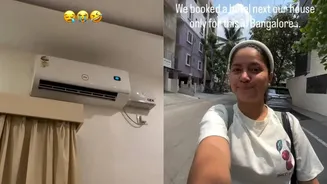
As Bengaluru grappled with an intense heatwave, recording temperatures around 36-37°C, a resident named Priya Pal found her rented accommodation unbearable.
Faced with unbearable heat and the unavailability of immediate cooling solutions like air conditioners (which had a 7-day delivery time) and rental options, she devised an ingenious plan. Instead of enduring the scorching temperatures or resorting to expensive outings, Priya booked a hotel room in close proximity to her home. This temporary escape was purely for the comfort of a cool, air-conditioned environment, allowing her to relax and unwind for a day, complete with Netflix and a break from the stifling heat. Her decision, shared in a viral video, highlighted the lengths people might go to find respite during extreme weather events, especially when traditional solutions are inaccessible or delayed.
Debate Ignites Online
Priya Pal's video, showcasing her intentional hotel booking for air conditioning, quickly became a focal point for online discussion. The immediate reaction from some viewers questioned the financial prudence of her choice, with comments like, “So, you booked a hotel room with AC but cannot afford to buy a new AC?” This led to Priya clarifying her situation: the hotel stay was a short-term, one-day solution. She explained that while they had initially hoped for rain, the persistent heat led them to seek immediate cooling. With AC purchases facing delivery delays and rental options scarce due to high demand, booking a hotel was a more practical and immediate alternative to sitting in an uncomfortably hot home or spending money at a restaurant. She emphasized that it was a choice for a day of comfort and relaxation, particularly on a Sunday when work was not a concern, framing it as a smart alternative to expensive dining.
Renter's Plight Highlighted
Beyond the financial critiques, many users rallied in defense of Priya's choice, shedding light on the unique constraints faced by tenants. Instagram user Ishita Khemaria pointed out that installing an AC is not always a simple matter for those in rented properties. Homeowners often need to grant permission for drilling holes required for split AC units, and the logistics of moving an AC when relocating further complicate ownership for renters. For a short-term need, such as escaping a particularly unbearable day of heat, a hotel room can indeed be a more sensible and less problematic option than the significant investment and potential complications associated with buying or installing an AC. This perspective underscored that Priya's decision was a pragmatic response to immediate circumstances, rather than a reflection of her financial capacity.
Shared Coping Mechanisms
Priya's unconventional approach resonated with many who have experienced similar challenges, especially in cities like Bengaluru known for power fluctuations. The idea of seeking cool, air-conditioned public or semi-public spaces became a common theme. One user shared their past experience of utilizing office sleeping pods for Netflix and Wi-Fi access during rampant power cuts, even befriending security guards to stay overnight. Other common coping strategies included visiting malls for window shopping or going to watch movies. These shared experiences reinforced the notion that Priya's solution, summed up by the phrase “Modern problems require modern solutions,” was a relatable and innovative way to navigate the discomfort of extreme heat when standard home solutions were not readily available or practical.