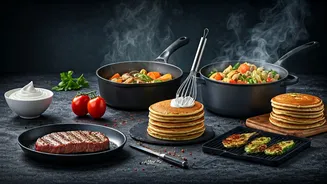

Searing: High-Heat Mastery
Searing is a technique involving cooking the surface of food, typically meat, at a high temperature to create a caramelized crust. This process enhances
the flavor and appearance of the food. The Maillard reaction, a chemical reaction between amino acids and reducing sugars that occurs at high temperatures, is the key driver of the flavorful crust. To sear effectively, ensure the cooking surface, like a pan, is very hot before adding the food. Adding oil prevents sticking and promotes even browning. It's crucial not to overcrowd the pan, as this lowers the temperature and prevents proper searing. Common applications include searing steaks, chicken breasts, and scallops. The goal is to achieve a beautiful, brown crust while keeping the inside of the food juicy. The searing step, often the first step in creating a flavorful dish, is followed by other cooking methods like roasting or braising to finish cooking the food to the desired doneness.
Braising: Slow & Flavorful
Braising is a combination cooking method that involves both dry-heat and wet-heat techniques. This method is best suited for tougher cuts of meat because it breaks down the connective tissues, resulting in tender and flavorful dishes. It starts with searing the food to develop flavor and color, then the food is partially submerged in liquid and cooked slowly, usually in a covered pot, at a low temperature. The liquid can be broth, wine, or even water, and often includes vegetables and aromatics like onions, carrots, and herbs. The slow cooking process allows the flavors to meld and deepen, making braised dishes incredibly rich and satisfying. Examples include braised short ribs, pot roast, and certain stews. Braising not only tenderizes the meat but also infuses it with the flavors of the cooking liquid, creating a complex and delicious final product. The extended cooking time ensures that even the toughest cuts become melt-in-your-mouth tender.
Roasting: Dry Heat Magic
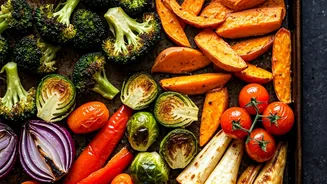
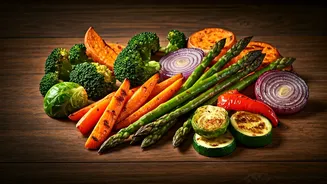
Roasting involves cooking food, particularly meat and vegetables, in an oven at a relatively high temperature. This method typically uses dry heat, which results in a browned exterior and a tender interior. The high heat helps to caramelize the surface of the food, intensifying the flavor. Roasting is suitable for a wide variety of foods, from whole chickens and turkeys to root vegetables and potatoes. Proper roasting often involves preheating the oven and seasoning the food before cooking. For meats, it is essential to allow the food to rest after roasting to allow the juices to redistribute, resulting in a more tender and flavorful final product. The cooking time varies depending on the food type and size, but the goal is to cook the food evenly throughout, achieving a desirable browning on the outside and ensuring it's cooked through the middle. Roasting enhances the natural flavors of the food.
Sautéing: Quick and Easy
Sautéing is a quick cooking technique that involves cooking food in a pan with a small amount of fat over medium-high heat. The goal is to cook the food quickly, browning the surface while keeping the inside moist. Sautéing is ideal for smaller pieces of food, like vegetables, chicken pieces, or shrimp. The key to successful sautéing is to ensure the pan is hot before adding the food and not to overcrowd the pan. Stirring or tossing the food frequently ensures even cooking and prevents sticking. Using the right type of pan is also important. A non-stick pan is helpful for delicate foods, while a stainless steel pan is better for building flavor by allowing the food to develop a crust. Sautéing is a versatile technique, often used as a preliminary step in more complex dishes or as a standalone method for simple meals.
Steaming: Gentle Cooking
Steaming involves cooking food by exposing it to steam. This method is gentle and preserves the nutrients and flavors of the food. Steaming is particularly well-suited for vegetables, seafood, and dumplings. The process requires a steamer, either a purpose-built steamer or a makeshift one using a pot and a steamer basket. The food is placed in the basket, above the boiling water, and covered to trap the steam. Steaming ensures even cooking without the use of added fats or oils, which makes it a healthy cooking option. It’s also relatively quick, making it a convenient way to prepare meals. The cooking time varies depending on the type and size of the food. Steaming is an excellent technique for retaining the natural colors, textures, and nutrients of the food. It results in food that is moist and tender.
Grilling: Charred Deliciousness
Grilling is a cooking method using direct heat, often from charcoal, gas, or an electric grill. This technique is known for creating a characteristic smoky flavor and a seared exterior. Grilling is suitable for a wide range of foods, including meats, vegetables, and even fruits. The high heat creates a beautiful char, enhancing the flavor and texture of the food. The key to successful grilling includes preheating the grill to the correct temperature, seasoning the food well, and using tongs to flip the food to prevent it from sticking or breaking. Different grilling techniques can be employed depending on the food type, like direct grilling (over the heat) for quick-cooking items and indirect grilling (off to the side) for larger or tougher cuts of meat. Grilling is a great option for outdoor cooking and provides a distinct flavor profile that is highly sought after by many.