







Metallic Taste Explained
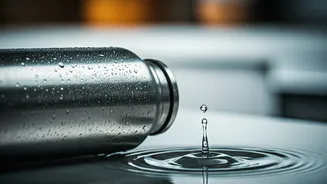
That peculiar metallic flavor you sometimes detect from your stainless steel water bottle is often less about the water itself and more about the bottle's
construction. According to experts, this sensation typically points to either the use of lower-quality stainless steel or subpar finishing on the interior surface of the container. Not all steel alloys are created equal; specifically, 304 or 316 grade stainless steel is widely recognized for its safety and inertness when holding drinking water, as these grades exhibit superior resistance to corrosion and chemical interactions. Consequently, they are less prone to releasing elements that could alter the water's taste profile. Conversely, more budget-friendly bottles might employ less robust steel or feature interiors that are not as meticulously polished. Prolonged exposure to elements like moisture, heat, or even acidic drinks, such as those infused with lemon, can lead to subtle reactions with the internal lining, thus imparting that metallic hint to your beverages. Furthermore, insufficient or improper cleaning routines can exacerbate the issue, allowing mineral deposits from tap water or residues from previous drinks to accumulate, thereby subtly influencing the water's taste over time.
Insulation vs. Safety
A common misconception is that double-layered, insulated steel bottles inherently offer superior safety compared to their single-layered counterparts. However, this is not entirely accurate. The presence of an extra layer or insulation does not, on its own, guarantee that the water inside is chemically safer. The primary determinant of safety remains the grade of stainless steel utilized in the bottle's construction, rather than the number of layers it possesses. Despite this, insulated bottles do provide an indirect advantage concerning hygiene. By effectively managing and maintaining the water's temperature, keeping it cooler for extended durations, they can mitigate certain issues. Warm water environments can accelerate the growth of microbes, a concern particularly amplified in warmer climates. Therefore, while not directly affecting chemical safety, the temperature regulation offered by insulated bottles can contribute to better overall hygiene and a more pleasant drinking experience, especially for individuals who carry water with them throughout the day.
Maintaining Freshness
To effectively circumvent that off-putting metallic taste in your stainless steel water bottle, adopting a few key practices is highly recommended. Prioritize selecting bottles manufactured from high-quality stainless steel, specifically grades 304 or 316, as these are engineered for longevity and taste neutrality. It's also prudent to avoid storing beverages with acidic properties, such as citrus-infused water or juices, for excessively long periods within the bottle, as acidity can sometimes interact with the steel. Regular cleaning with a mild detergent and ensuring the bottle is thoroughly dried before re-use are crucial steps in preventing residue buildup. Pay close attention to the condition of your bottle; if you observe any signs of rust, pitting, or a persistent, unresolvable odor, it's advisable to replace the bottle entirely. Often, a mild metallic taste is an indicator of the bottle's quality rather than a significant health risk, but investing in a superior-grade product and diligent maintenance can dramatically improve both the purity of your water and your overall hydration experience.