




The Samosa Dilemma
Akshay Kumar's candid revelation about avoiding samosas for fifteen years has sparked curiosity. It's not about a strict diet or weight management, but
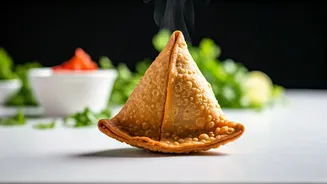
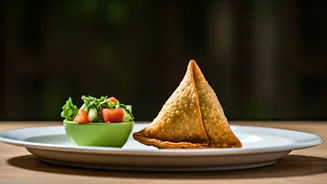
rather how his body reacts to the deep-fried delicacy, leading to discomfort and acidity. This personal choice highlights how even a beloved traditional snack can have adverse effects on individuals. Kumar even humorously pointed out that his famous line from a movie, 'Jab Tak Rahega Samose Mein Aaloo,' was filmed without him consuming a single samosa, underscoring his long-standing abstinence. The traditional samosa, a staple in Northern and Eastern India, features a crispy, deep-fried casing typically made from refined flour, enveloping a savory filling of spiced mashed potatoes. It's commonly savored hot, accompanied by chutneys or ketchup, and has evolved with numerous fusion variations to appeal to a broader audience, even on a global scale.
Cardiovascular Concerns
When fried and processed foods like samosas become a regular part of one's diet, they can subtly contribute to significant health issues over time, particularly affecting arterial health. Dr. Parin Sangoi, a consultant interventional cardiologist, explains that each serving of such snacks adds to cholesterol buildup, promotes inflammation, and increases oxidative stress within the vascular system. This cumulative effect can lead to the formation of plaque, causing arteries to narrow and reducing blood flow to vital organs like the heart. What might seem like an innocuous treat today could, over the years, escalate into serious conditions such as heart disease. Foods laden with trans fats, high in carbohydrates, and rich in sodium can stiffen blood vessel walls, elevate blood pressure, and disrupt the delicate balance between 'bad' (LDL) and 'good' (HDL) cholesterol.
Healthier Samosa Swaps
While the conventional samosa presents considerable health challenges, a dietician suggests that healthier preparation methods can make this snack more palatable for those mindful of their well-being. Vedika Premani, a clinical dietician, emphasizes incorporating functional ingredients like ginger, cinnamon, and cardamom. These additions not only enhance the flavor profile but also offer health advantages, such as bolstering the immune system and providing anti-inflammatory benefits. Enjoying samosas can still be a possibility by opting for healthier cooking oils and employing alternative techniques like baking or air frying, which significantly reduce the fat content compared to traditional deep-frying. These modifications can transform a typically unhealthy indulgence into a more nutritious option without sacrificing the essence of the dish.
Alternative Snacking Options
For individuals who prefer to steer clear of samosas entirely, a variety of wholesome and appealing snack alternatives are readily available. Vedika Premani suggests options like baked ragi chips served with hummus, a nutritious dip, offering a crunchy and protein-rich choice. Traditional Indian snacks such as dhokla, which is steamed and light, or makhana (fox nuts), often roasted, provide healthy options. Chana chaat, a flavorful chickpea salad, and khakara, a thin crispbread, paired with hung curd dip, are also excellent choices that are both satisfying and beneficial. Furthermore, air-fried vegetables offer a lighter and healthier substitute for deep-fried pakoras, allowing for enjoyment of similar textures and flavors with reduced unhealthy fats.