







The Rising Tide
A stark reality is emerging in India: Type 2 diabetes is no longer confined to adulthood but is now frequently diagnosed in children and teenagers, often
in tandem with weight-related health issues. This shift represents a significant public health challenge, as what was once considered a condition of later life is now manifesting much earlier. The World Obesity Atlas 2026 highlights the alarming scale of this problem in India, where an estimated 15 million children aged five to nine and over 26 million aged 10 to 19 were overweight or obese in 2025. Globally, India ranks second only to China in the number of children with a high Body Mass Index (BMI), with 41 million children affected, and 14 million living with obesity. This concentration of childhood overweight and obesity in India, alongside China and the United States, underscores the urgent need to address lifestyle factors contributing to these metabolic disorders from an early age.
Understanding the Mechanism
The development of Type 2 diabetes is a gradual process where the body either becomes resistant to the effects of insulin or fails to produce sufficient amounts. Insulin is vital for enabling sugar from the bloodstream to enter cells for energy. When this process falters, blood glucose levels rise. In children, a key factor contributing to this is the accumulation of excess fat, particularly around the waist, which significantly impacts insulin sensitivity. Over time, this constant strain leads the pancreas to struggle, resulting in insulin resistance and ultimately, the onset of diabetes. A 2023 study by the Indian Council of Medical Research, published in The Lancet Diabetes and Endocrinology, revealed that one in five Indians has high cholesterol, and many suffer from abdominal obesity – risk factors that frequently originate in childhood and persist into adulthood, paving the way for chronic conditions.
Subtle Indicators to Note
Recognizing the early signs of Type 2 diabetes in children can be challenging, as they are often subtle and easily overlooked. Some children may exhibit unexplained tiredness, an increased desire for water, or more frequent urination. A noticeable darkening of the skin, particularly around the neck or underarms, can also be an indicator. However, in a significant number of cases, there are no overt symptoms, and the condition is only detected during routine medical examinations or screenings. This underscores the importance of regular health check-ups for children, especially those with known risk factors such as a family history of diabetes or obesity.
Lifestyle Shifts Fueling Crisis
Contemporary childhood lifestyles in India have undergone dramatic transformations, directly contributing to the rise in Type 2 diabetes. Children now spend considerably more time indoors, engaged in schoolwork, extra tutoring, or screen-based activities, leading to a steep decline in physical activity. Simultaneously, calorie intake has escalated due to increased consumption of packaged snacks, sugary beverages, and fast food. The World Obesity Atlas 2026 reports that children aged 6–10 in India consume an average of up to 50 ml of sugary drinks daily. Meal patterns have become less structured, with frequent snacking throughout the day. Furthermore, approximately 74% of adolescents aged 11–17 do not meet the recommended physical activity levels, and only 35.5% of school-age children receive school meals, according to the same atlas. Sleep patterns are also disrupted by late nights, which are linked to weight gain and metabolic disturbances. Compounding these issues, the State of Food Security and Nutrition in the World, 2024, indicates that about 55% of Indians cannot afford a healthy diet, forcing many families to rely on cheaper, less nutritious food options.
Urgent Need for Action
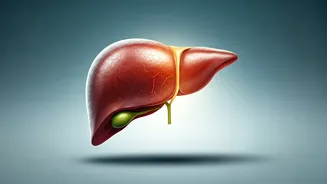
The ramifications of childhood obesity are extending far beyond weight gain, now being closely associated with health problems traditionally seen in adults, such as high blood pressure and heart disease. Projections from the World Obesity Atlas 2026 are alarming: by 2040, over 57 million children in India could face an early risk of high triglycerides, and more than 43 million may develop hypertension. These numbers are expected to surge between 2025 and 2040, with BMI-related hypertension potentially rising from 2.99 million to 4.21 million cases, hyperglycemia from 1.39 million to 1.91 million, high triglycerides from 4.39 million to 6.07 million, and metabolic dysfunction-associated steatotic liver disease from 8.39 million to 11.88 million. When Type 2 diabetes emerges in childhood, its progression tends to be faster, and complications arise earlier. It also profoundly impacts a child's emotional well-being, leading to confidence issues and difficulties in social interactions during crucial developmental years.
Empowering Parents' Role
Parents play a pivotal role in mitigating the risk and managing Type 2 diabetes in their children. Establishing regular meal times helps children develop a better understanding of their hunger and fullness cues. Prioritizing home-cooked meals rich in a balanced mix of grains, proteins, fruits, and vegetables offers a more robust foundation for health than any restrictive diet plan. Significantly reducing the intake of sugary drinks and processed snacks is a critical step; given that children as young as six are already consuming these regularly, making them occasional treats is paramount. Whenever possible, sharing meals as a family fosters healthier eating habits without pressure. Incorporating at least an hour of daily physical activity—whether through sports, cycling, walking, or dancing—is essential, as nearly three-quarters of adolescents fall short of recommended activity levels. Setting consistent bedtime routines and limiting screen time before sleep is also vital for appetite regulation and metabolic health. Crucially, parents should model healthy behaviors, as children are highly impressionable and are more likely to adopt sensible eating and active lifestyles if they see their parents doing the same. Vigilance for early warning signs such as unusual fatigue, increased thirst, frequent urination, or skin changes around the neck or underarms should prompt a consultation with a doctor.
Seeking Professional Support
Despite implementing healthy routines at home, some children continue to experience weight gain or metabolic issues. In such instances, seeking professional medical assessment is the logical next step. For adolescents dealing with severe obesity and co-existing conditions like Type 2 diabetes or sleep apnea, bariatric surgery can be a viable consideration. These minimally invasive and robotic procedures involve reducing stomach size and altering hormones that regulate hunger and blood sugar. Remarkable improvements in blood sugar levels are often observed within days, sometimes even before significant weight loss occurs. The ARMMS-T2D study, published in JAMA, followed patients for ten years and documented sustained weight loss of approximately 20 percent along with enhanced diabetes control. When conventional methods prove ineffective and health risks escalate, bariatric surgery emerges as a credible and effective treatment option. Ultimately, Type 2 diabetes in children is deeply intertwined with daily habits, and embedding healthier routines into family life provides children with lasting protection against conditions that might otherwise emerge far too early.