







DRAM's Crucial Role
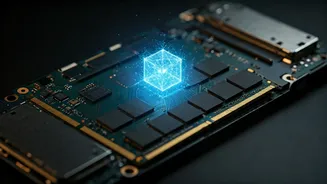
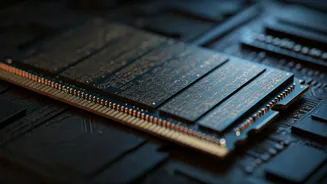
Dynamic Random-Access Memory, or DRAM, is the vital engine for rapid information processing in modern electronics, and increasingly, in our vehicles. It's
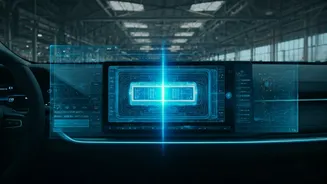
the unsung hero behind the seamless operation of sophisticated infotainment systems, the crisp visuals of digital dashboards, and the advanced capabilities of driver assistance features. As cars transform into complex computing platforms, especially with the rise of electric vehicles and their extensive software integrations, the demand for this high-speed memory is on a relentless upward trajectory. Every connected feature, every software update, and every intuitive interface relies heavily on the efficient functioning of DRAM to deliver the user experience drivers now expect as standard. This memory is fundamental to the digital transformation occurring within the automotive world, underpinning everything from navigation to advanced safety protocols.
AI's Unintended Impact
The burgeoning field of artificial intelligence is inadvertently creating a competitive landscape for DRAM. Data centers, the backbone of AI development and deployment, are consuming vast quantities of high-performance memory. These systems require substantial volumes of DRAM to handle the immense computational loads associated with AI algorithms and machine learning processes. Chip manufacturers, recognizing the significant profitability and sustained demand from the AI and data center markets, are strategically diverting their production capacity towards these lucrative sectors. Companies like Samsung, SK Hynix, and Micron, who are the primary global suppliers of DRAM, are prioritizing these high-margin applications. Consequently, this shift in focus means that less DRAM capacity is being allocated to the automotive industry, setting the stage for potential supply constraints.
Price Hikes Ahead
The immediate and most probable consequence of this shifting DRAM landscape is an increase in costs for automotive components. Analysts predict that the older generations of DRAM, which are commonly employed in vehicle manufacturing, will experience a significant price escalation. This surge could be quite pronounced within the current year, making these essential memory chips considerably more expensive for automakers. While this situation is distinct from the widespread semiconductor crisis that crippled global vehicle production a few years ago, its impact is still significant. The current DRAM scenario is more targeted, primarily affecting the digital and computational features that have become commonplace in contemporary vehicles. This suggests that consumers might encounter higher prices for technology packages, find certain vehicle trims less readily available, and potentially see manufacturers redesigning or reconfiguring their models to better manage these rising memory expenses.
Vehicles as Computers
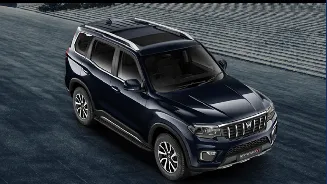
This evolving DRAM situation serves as a potent reminder of a fundamental shift: automobiles are no longer merely mechanical products. Today's vehicles are sophisticated computing platforms on wheels, intricately woven with digital technology. As this trend continues to accelerate, automakers will increasingly find themselves in direct competition with the broader technology industry for the acquisition of critical components that power our digital lives. This convergence means that the decisions made within the tech sector, particularly concerning memory chip allocation, will have a direct and tangible influence on the automotive market. The future of vehicle development and production will be inextricably linked to the dynamics of the global semiconductor supply chain, highlighting the growing interdependence of these once distinct industries.