





The Viral Sensation
In the bustling streets of Mumbai, a culinary innovator has emerged, drawing crowds and internet fame with a rather unexpected tool for crafting pani puri.
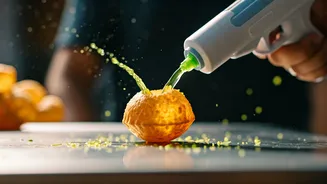
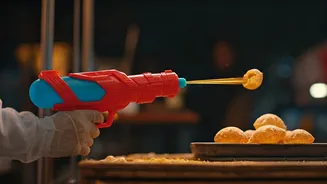
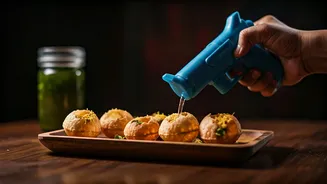
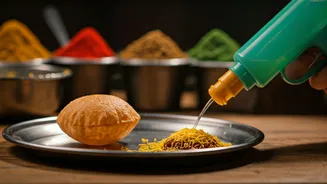
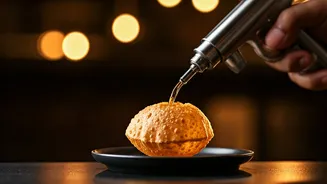
This street food vendor has found a novel way to serve the beloved Indian snack, ditching the traditional ladle for a brightly colored water gun. The ingenious method involves him expertly filling each delicate puri with the signature tangy tamarind water, a spectacle that has been meticulously captured in a video. This clip quickly spread across social media platforms, igniting widespread discussion and amusement among viewers. The visual of the water gun, typically associated with playful splashing, being used in a food preparation context has certainly caught the imagination of many, transforming a simple street food experience into a viral phenomenon and sparking curiosity about this fresh take on a classic.
Innovation vs. Hygiene
The sight of the water gun in action has naturally triggered a lively debate among online commentators and food enthusiasts. While many are amused and impressed by the vendor's inventive spirit and the visual flair it adds to the pani puri experience, a significant segment of the audience has raised pertinent questions regarding hygiene. Concerns have been voiced about the cleanliness of the water gun itself and its potential to contaminate the food, especially in a street food setting where cleanliness is paramount. This divergence in opinions highlights a classic tension between embracing modern, often playful, innovations and upholding traditional standards of food safety. The discussion also touches upon the perception of hygiene in street food, prompting a deeper consideration of what constitutes safe food handling in dynamic public spaces.
The Vendor's Defense
Standing by his distinctive technique, the Mumbai vendor has offered a compelling defense, reframing his water gun method not just as a novelty but as a superior approach to serving pani puri. He asserts that this unusual method ensures a consistently precise amount of flavorful tamarind water is dispensed into each puri, a feat that can be challenging to achieve with a traditional ladle. More importantly, he argues that the water gun offers a more hygienic solution. By eliminating direct contact with a ladle that would be handled by numerous individuals, his method minimizes the potential transfer of germs. This perspective shifts the focus from the perceived oddity of the tool to its potential functional and sanitary benefits, presenting a thoughtful counterpoint to the immediate hygiene concerns raised by onlookers and online critics.