






Taxing Unhealthy Products
The World Health Organization (WHO) is actively promoting a strategy that involves governments imposing significantly higher taxes on specific products.
These products include sugary drinks, alcoholic beverages, and tobacco. The primary goal is to make these items less accessible and more expensive for consumers. The WHO believes that by increasing the prices of these products, consumption will decrease, leading to reduced rates of lifestyle-related diseases such as heart disease, diabetes, and certain cancers. This approach forms part of a broader public health strategy aimed at preventive healthcare and improving overall population well-being. The organization emphasizes that such measures, if implemented, will contribute to healthier lifestyles and consequently lower healthcare costs in the long run. The proposal is intended to encourage healthier choices for individuals and reduce the burden on public health systems. Ultimately, it is believed that these taxation policies will act as a significant step towards preventing chronic diseases.
Reasons Behind the Push
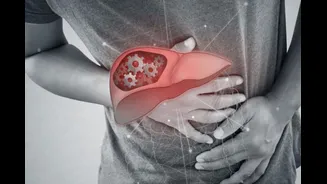
The WHO's stance is based on the proven harmful effects of these products on health. Sugary drinks contribute to obesity and type 2 diabetes. Excessive alcohol consumption is linked to liver diseases, cardiovascular problems, and several types of cancer. Tobacco use is a leading cause of lung cancer, heart disease, and respiratory illnesses. The WHO's recommendations are backed by extensive research, showing a direct correlation between the consumption of these products and the rise of non-communicable diseases. The organization is therefore urging governments to take decisive action to protect public health. This strategy is also influenced by global health trends and statistics. The WHO recognizes the need for effective measures to counter the rising rates of preventable diseases. The proposed tax increases are viewed as a tool to shift consumer behavior and promote healthier lifestyle choices among populations. This initiative aims to address a serious health crisis through a practical and evidence-based approach.
Expected Health Benefits
The potential health benefits of the WHO's recommendations are substantial. Reducing consumption of sugary drinks could lead to a decline in obesity rates and reduce the incidence of type 2 diabetes. By making alcohol more expensive, the WHO hopes to see a decrease in alcohol-related diseases and accidents. Similarly, higher taxes on tobacco can discourage smoking, leading to a reduction in smoking-related illnesses like lung cancer and heart disease. Ultimately, the cumulative effect of these measures is anticipated to result in an overall improvement in population health. This approach aims to reduce the pressure on healthcare systems. The WHO also foresees a decline in premature deaths caused by lifestyle-related conditions. These proposed tax increases are intended to serve as a public health intervention, to promote healthier habits, and ultimately improve the quality of life across the population.
Addressing Metabolic Effects
Simultaneously, research continues to investigate additional ways to mitigate the health issues related to sugary drinks. A study conducted by TIFR, for example, is exploring potential therapeutic avenues to mitigate the metabolic effects of sugary beverages. This research focuses on identifying and developing methods to counter the harmful metabolic impacts of consuming sugary drinks. While the WHO is primarily focused on prevention through taxation, scientific research offers complementary approaches. This study represents an important step in mitigating the health issues directly linked to sugary beverages. By exploring potential therapies, researchers aim to provide additional tools to improve overall health outcomes, especially for individuals already struggling with the effects of excessive sugar consumption. This dual-pronged strategy, including both prevention and potential treatment, highlights a comprehensive approach to health improvements.
Implementation Challenges and Considerations
Implementing the WHO's recommendations involves addressing multiple challenges. Governments must develop tax policies that are effective, fair, and practical. There will likely be resistance from industries that produce and sell sugary drinks, alcohol, and tobacco. Ensuring that tax revenues are used appropriately, for instance, to support public health programs, is also critical. These measures must be carefully designed to avoid unintended consequences, such as an increase in the illegal sale of these products. It's also important to consider the potential impact on low-income populations, where increased prices could have a more significant effect. The WHO is working with governments to provide guidance and support in overcoming these obstacles. The implementation strategy involves promoting public awareness and addressing potential opposition from various stakeholder groups. Effective implementation requires a balanced approach to ensure the initiatives achieve their health goals without causing adverse societal effects.