






PLU Codes Explained
Those small, colourful stickers adorning your fruits and vegetables are not merely for tracking prices at the checkout counter. They contain a vital piece
of information encoded within a series of numbers known as the Price Look-Up (PLU) code. This system acts as a secret decoder ring, revealing crucial details about the fruit's cultivation methods. By understanding these codes, consumers can gain insight into whether their produce was grown conventionally with the use of pesticides, is genetically modified (GMO), or cultivated through organic farming practices. This knowledge empowers shoppers to make more informed decisions about the food they consume, aligning with personal health preferences and ethical considerations.
Conventional vs. GMO
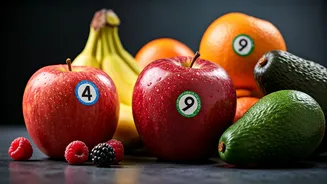
When you encounter a PLU code consisting of just four digits, and it begins with either a 3 or a 4, this signifies that the fruit has been cultivated using conventional agricultural methods. This typically involves the application of pesticides and chemical fertilisers to enhance growth and protect against pests. Therefore, it is strongly recommended to wash such fruits thoroughly before consumption to mitigate any potential residues. On the other hand, a five-digit PLU code that starts with the number 8 is a clear indicator that the fruit is genetically modified. These fruits have undergone alterations in laboratories, often to improve attributes like size or shelf life, and are not considered products of natural development.
The Organic Advantage
A five-digit PLU code commencing with the digit 9 is your signal for a truly organic product. Fruits bearing this code have been grown without the use of any synthetic pesticides, herbicides, or genetically modified organisms. This method of cultivation focuses on ecological balance and the preservation of natural resources. Consequently, organic fruits are widely regarded as the safest and healthiest option available, offering peace of mind to consumers who prioritize natural and unadulterated food.
Sticker Safety and Washing
You might wonder about the safety of these stickers and the adhesive used. According to regulatory bodies like the US Food and Drug Administration, the materials comprising the stickers and their glue are classified as food-grade, meaning they are non-toxic. However, to adhere to best practices and ensure optimal hygiene, it is always advisable to remove the sticker before eating the fruit. Furthermore, a thorough wash under running water is essential for all fruits, regardless of their PLU code, to clean away any surface contaminants.
Smart Shopping Habits
Cultivating smart shopping habits is key to making the most of this information. Make it a practice to always inspect the PLU code on fruit stickers before making a purchase. Prioritise fruits with codes beginning with 9, as these indicate organic cultivation. If you happen upon a fruit that lacks a sticker altogether, do not automatically assume it is organic. It's crucial to remember that the absence of a sticker does not confirm an organic status. In such cases, and indeed for all fruits, a proper washing technique using salt or warm water is highly recommended to ensure cleanliness and safety.