



The Nocturnal Chorus
While most birds adhere to a diurnal rhythm, meaning they are naturally active during daylight hours and rest at night, an increasing number of our feathered
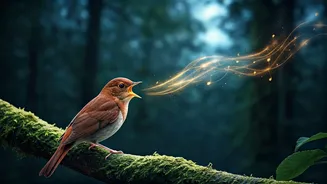
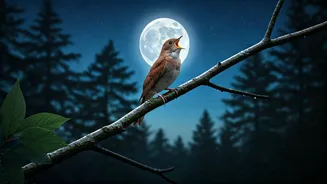
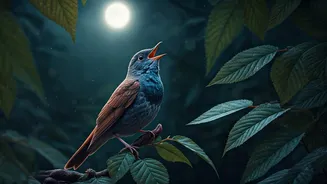
companions are becoming nocturnal vocalists, especially within bustling urban landscapes. This phenomenon, where birds emit calls well past midnight, isn't an anomaly but a complex response to their transformed environment. Organizations dedicated to fostering a connection between humans and nature highlight that these late-night serenades are not uncommon, even though they defy typical avian behavior. It's a testament to how wildlife adapts to the ever-changing conditions presented by city living, prompting a closer look at the underlying causes that disrupt their natural sleep patterns and encourage them to sing when we expect silence.
Triggers for Late Calls
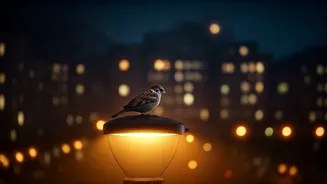
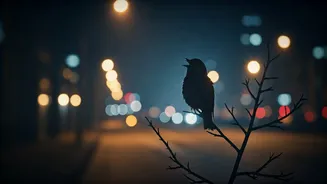
Several key factors can jolt birds from their slumber, prompting them to vocalize in the darkness. Foremost among these is disturbance-triggered vocalization, where sudden, unexpected noises such as blaring car horns, the explosive crackle of fireworks, the presence of predators, or even the scuttling of stray animals can startle resting birds into issuing brief alarm calls. Beyond sudden disturbances, the pervasive glow of artificial lighting in cities plays a significant role. Streetlights and illuminated buildings can trick birds into believing that daylight extends much longer than it naturally should. This constant exposure to artificial light disrupts their internal biological clocks, influencing not just sleep but also vital hormonal cycles, the timing of their breeding seasons, and their readiness for migration. Moreover, during the crucial breeding season, hormonal surges can stimulate sporadic vocalizations even outside of their usual active hours, adding another layer to the mystery of midnight melodies.
Purpose of Vocalizations
The reasons behind a bird's midnight chirping can be multifaceted, often linked to essential biological imperatives such as mating, territorial defense, or even stress. During the intense breeding season, male birds engage in vocal displays primarily to attract potential mates and to establish and protect their territories from rivals. In the cacophony of urban environments, some species find it advantageous to extend their singing durations into the quieter nighttime hours. This strategy helps their songs travel farther and reduces interference from daytime noise pollution, ensuring their calls are heard by their intended audience. Conversely, sudden and intense artificial disturbances—like loud construction work, bright flashes of light, or unexpected loud noises—can trigger alarm or stress calls, signaling danger to other birds. Extended exposure to constant artificial illumination can lead to a cascade of unusual behavioral patterns, including earlier waking, later sleeping, premature dawn choruses, increased energy expenditure, and elevated stress hormone levels over time, potentially impacting their long-term health and reproductive success.
Urban-Adapted Species
Not all birds are equally prone to this late-night vocalizing; certain species are far more likely to join the nocturnal chorus. These tend to be birds that have successfully adapted to urban ecosystems, exhibiting a naturally vocal disposition. They are often territorial during their breeding periods and are comfortable roosting in close proximity to human settlements. Common examples of such adaptable species include the Asian Koel, particularly during its breeding season. Other frequent urban dwellers that are known to vocalize after midnight are the Common Myna, the House Crow, the Rock Pigeon, and the Red-vented Bulbul. These birds are frequently observed in illuminated urban areas, suggesting a direct correlation between their environment and their altered vocal behavior. Therefore, the next time you hear a bird singing in the deep of night, it's likely not a mistake but a sophisticated response to the unique challenges and opportunities presented by cities that rarely experience true darkness.