



Appetizing Mezze Starters
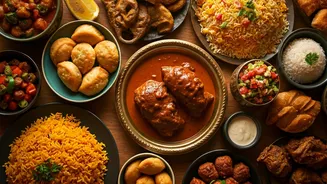
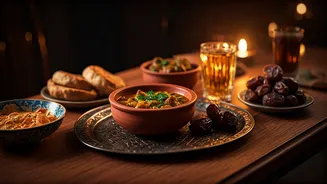
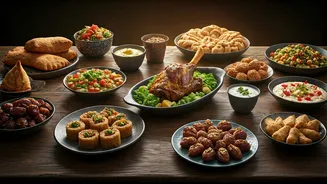
As the sun sets and the fast concludes, Iftar meals traditionally begin with mezze – a collection of small, flavorful dishes. These are designed to be light
and easily digestible, preparing the palate and body for the evening's main meal after a day of abstaining from food and drink. Baba ghanoush, a beloved smoky dip made from roasted eggplant, tahini, olive oil, and garlic, offers a deep, earthy flavor that's both comforting and satisfying. Another staple is hummus, a creamy blend of chickpeas, tahini, garlic, and lemon juice, providing essential protein and healthy fats, typically served with soft pita bread or crisp fresh vegetables. Completing the mezze selection, dolma features vegetables like tender grape leaves, zucchini, or eggplant meticulously stuffed with a fragrant mixture of rice, aromatic herbs, and a medley of spices. Whether served warm or at room temperature, these small bites offer a delightful and gentle opening to the Iftar feast, setting a communal and nourishing tone for the meal ahead.
Hearty Main Course Wonders
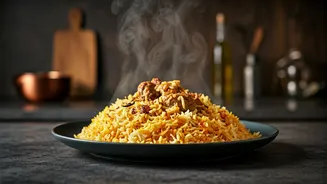
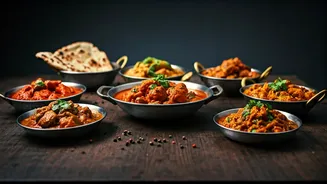
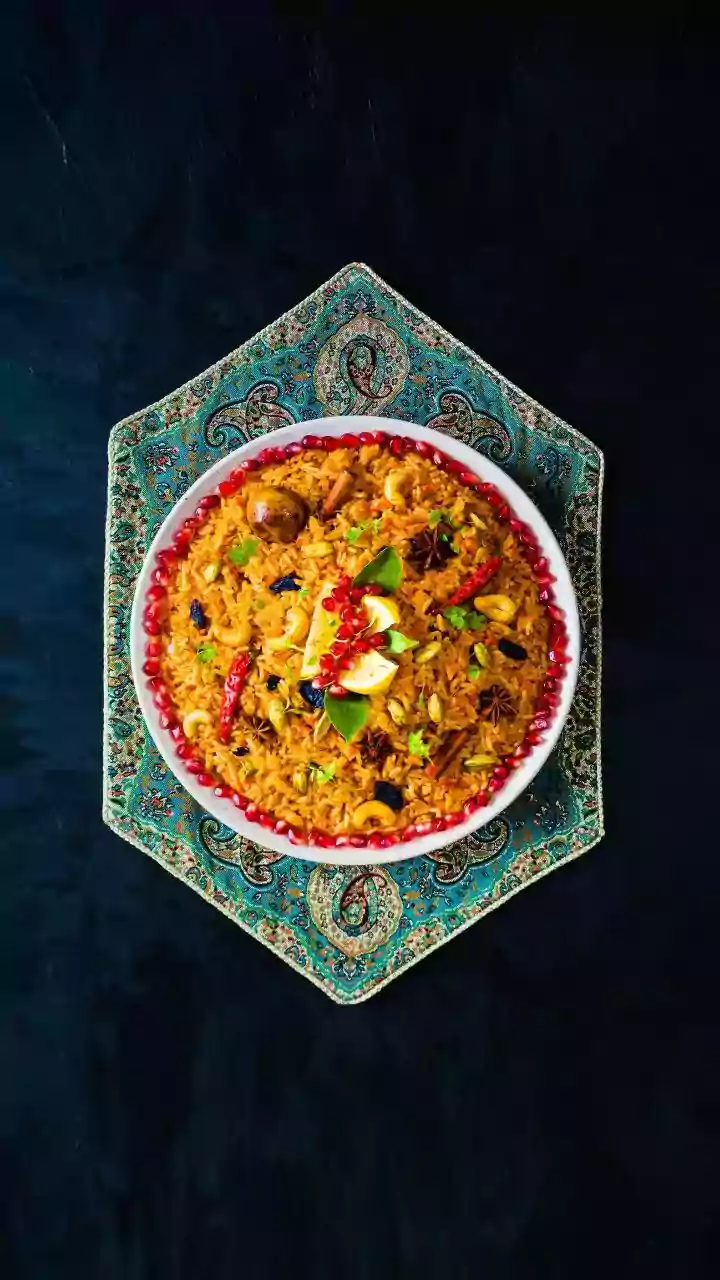
Following the lighter mezze, Iftar main courses are designed to be substantial and energy-replenishing. Biryani, a celebrated South Asian dish, is a prime example, featuring layers of aromatic basmati rice cooked with tender meats and a symphony of spices. Its slow cooking process allows the complex flavors to meld beautifully, making it a perfect choice for sharing during large Ramadan gatherings. From Morocco comes lamb tagine, a slow-simmered stew prepared in a distinctive conical pot. The lamb becomes exceptionally tender as it absorbs a rich blend of spices such as cumin, coriander, and cinnamon, complemented by vegetables and sweet dried fruits. In the Middle East, Kabsa is a popular rice dish made with long-grain rice and your choice of meat, infused with fragrant spices like cardamom and saffron. Often presented family-style, its aromatic presence is a hallmark of Ramadan meals. Lastly, Maqluba, translating to 'upside down,' is a visually stunning and deeply satisfying one-pot creation. Meat, vegetables, and rice are carefully layered, cooked together, and then dramatically flipped onto a serving platter, often garnished with toasted almonds or pine nuts, creating a truly memorable centerpiece.
Sweet Iftar Endings
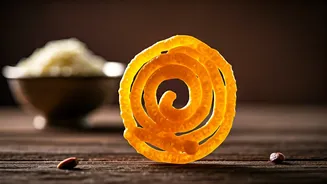
The Iftar meal traditionally culminates with an array of sweet treats, embodying the celebratory and communal spirit of Ramadan. Qatayef are delicate, soft pastries resembling small pancakes, often filled with a sweet cheese or a nutty mixture. They are then typically fried or baked until golden and drenched in fragrant syrup, offering a delightful textural contrast. Across South Asia, gulab jamun are a beloved dessert: soft, milk-based dumplings that are fried and then soaked in a sweet, fragrant sugar syrup, melting in the mouth with every bite. Baklava presents layers of flaky, crisp phyllo pastry generously packed with chopped nuts and bound together with a sweet syrup, creating a rich and crunchy confection. And often considered the pinnacle of Ramadan sweets is Kunafa, a dessert made from a base of shredded filo pastry or semolina dough, layered with creamy cheese or clotted cream, and then soaked in a sweet syrup. Its unique blend of textures and flavors makes it a truly special and cherished end to the Iftar feast.